The 7-day meal prep plan for healthy eating and time savings in 2026
Anúncios
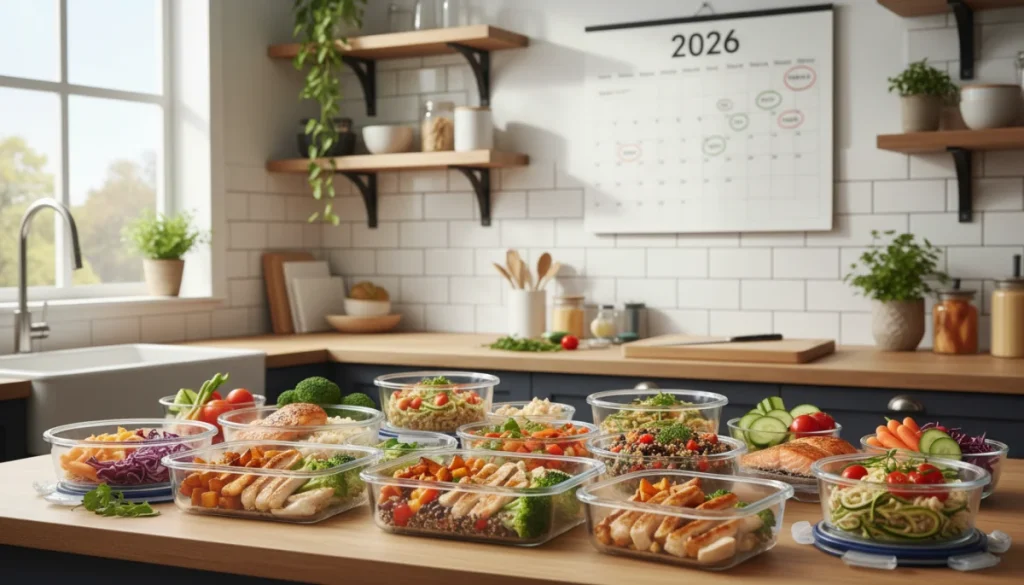
Implementing a well-structured 7-day meal prep plan is crucial for maintaining healthy eating habits and maximizing time efficiency in 2026, offering a practical solution to modern lifestyle demands.
In our increasingly fast-paced world, finding ways to prioritize health without sacrificing precious time has become a universal challenge. This is where
the 7-day meal prep plan for healthy eating and time savings in 2026 steps in as a game-changer. It’s more than just cooking ahead; it’s a strategic approach to nutrition that empowers you to take control of your diet, streamline your week, and ultimately, enhance your overall well-being. Let’s delve into how this powerful practice can transform your daily routine.
Anúncios
Understanding the ‘Why’ Behind Meal Prep
Before diving into the ‘how,’ it’s essential to grasp the fundamental benefits that make meal prepping a cornerstone of a healthy, efficient lifestyle. Meal prepping isn’t merely a trend; it’s a sustainable strategy that addresses several common hurdles to maintaining a balanced diet. It’s about being proactive rather than reactive with your food choices, which can lead to significant positive impacts on your health and daily schedule.
Many individuals struggle with consistent healthy eating due to time constraints, decision fatigue, or a lack of readily available nutritious options. Meal prepping directly tackles these issues by front-loading the effort, ensuring that wholesome meals are always within reach. This foresight can prevent impulse decisions that often lead to less healthy food choices, particularly during busy workdays or evenings.
The undeniable advantages of planning meals
- Improved Nutritional Intake: By planning your meals, you consciously choose ingredients, control portion sizes, and ensure a balanced macronutrient profile, leading to better overall health.
- Significant Time Savings: Consolidating cooking into one or two sessions frees up valuable time during the week, allowing for more leisure, exercise, or rest.
- Reduced Food Waste: Strategic shopping and preparation mean you buy only what you need and use what you buy, minimizing spoilage and maximizing your grocery budget.
- Financial Benefits: Eating at home more often, rather than relying on takeout or restaurant meals, can lead to substantial savings over time.
Ultimately, understanding these core benefits reinforces the value of committing to a 7-day meal prep plan. It transforms the often-stressful act of daily cooking into an organized, enjoyable, and beneficial routine, setting the stage for a healthier and more productive week ahead.
Anúncios
Crafting Your 7-Day Meal Prep Strategy
Developing an effective 7-day meal prep plan requires more than just cooking a large batch of food. It involves strategic planning, smart grocery shopping, and efficient cooking techniques. The goal is to create a diverse and appealing menu that caters to your nutritional needs and keeps you engaged throughout the week, preventing meal fatigue.
Start by assessing your dietary preferences, any allergies or intolerances, and your weekly schedule. This foundational understanding will guide your meal choices and ensure that your prep efforts align with your lifestyle. Consider incorporating a mix of flavors and textures to keep your meals exciting and satisfying.
Key steps for successful meal planning
- Select Your Recipes: Choose a variety of balanced recipes for breakfast, lunch, and dinner. Opt for dishes that hold up well when stored and can be easily reheated.
- Create a Shopping List: Based on your selected recipes, make a detailed list of all necessary ingredients. Organize it by supermarket sections to save time while shopping.
- Dedicated Prep Time: Set aside a specific block of time, typically 2-3 hours on a weekend, for cooking and portioning your meals. Consistency is key to making this a habit.
The beauty of a well-crafted meal prep strategy lies in its flexibility. You don’t have to cook every single component from scratch each week. Sometimes, simply prepping ingredients like chopped vegetables or cooked grains can significantly reduce daily cooking time. This adaptable approach makes the 7-day meal prep plan accessible and sustainable for everyone, regardless of their culinary skill level or available time.
Essential Tools and Techniques for Efficient Prepping
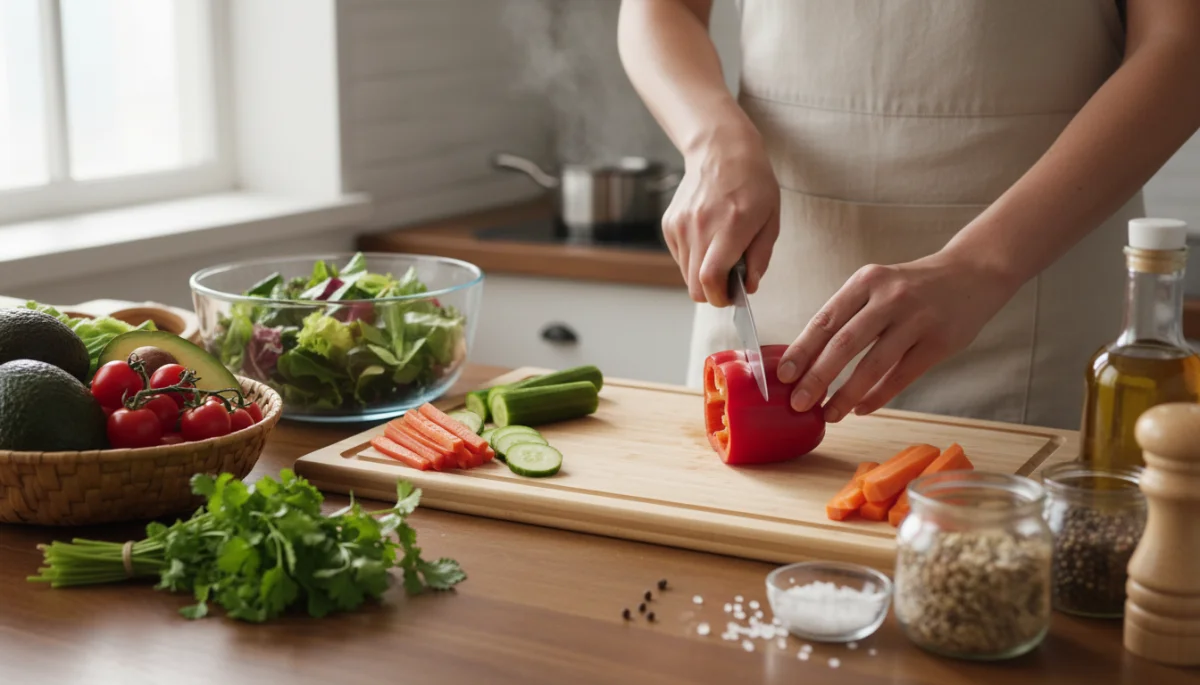
Having the right tools and mastering a few key techniques can dramatically streamline your meal prep process, turning what might seem like a daunting task into an enjoyable and efficient routine. Investing in quality kitchen equipment not only makes cooking easier but also contributes to better food storage and longevity.
Think of your kitchen as a workstation; organization and functionality are paramount. Before you even begin cooking, ensure your workspace is clean and all your tools are within easy reach. This minimizes wasted time searching for equipment and helps maintain focus throughout the prep session.
Must-have kitchen gadgets and storage solutions
- High-Quality Knives: A sharp chef’s knife and a paring knife are indispensable for efficient chopping and dicing.
- A Large Cutting Board: Provides ample space for preparing multiple ingredients without constant clearing.
- A Food Processor: Excellent for quickly chopping, grating, or pureeing larger quantities of vegetables or making sauces.
- A Slow Cooker or Instant Pot: Ideal for hands-off cooking of proteins, stews, and grains, freeing you up to focus on other tasks.
- Airtight Food Containers: Essential for proper storage, preventing spoilage, and maintaining freshness. Glass containers are often preferred for their durability and non-reactive properties.
Beyond tools, mastering techniques like batch cooking, mise en place (everything in its place), and proper food cooling and storage are crucial. Batch cooking involves preparing larger quantities of staple ingredients like grains, roasted vegetables, or cooked proteins. Mise en place ensures all ingredients are prepped and measured before you start cooking, making the actual cooking process much smoother. Correctly cooling hot foods before refrigerating them prevents bacterial growth and maintains food safety, while proper container selection ensures optimal freshness throughout the week.
Sample 7-Day Meal Prep Plan for 2026
To illustrate how a practical 7-day meal prep plan can look, let’s outline a sample menu focusing on balanced nutrition, ease of preparation, and variety. This example aims to provide inspiration and a framework that you can adapt to your own tastes and dietary requirements. Remember, the key is customization to ensure sustainability.
This sample plan emphasizes whole foods, lean proteins, complex carbohydrates, and plenty of vegetables. It also considers meals that can be easily scaled up and stored, making your prep day highly efficient. The goal is to minimize repetitive flavors while maximizing nutritional value and convenience.
A balanced weekly menu example
- Breakfast (Prep for 3-4 days): Overnight oats with berries and nuts, or egg muffins with spinach and feta.
- Lunch (Prep for 5 days): Quinoa salad with roasted chicken, mixed greens, bell peppers, and a lemon-tahini dressing; or lentil soup with whole-grain bread.
- Dinner (Prep for 3-4 days, alternating): Baked salmon with roasted sweet potatoes and broccoli; or turkey chili with a side of brown rice.
- Snacks (Prep for the week): Portion-controlled nuts, fruit, Greek yogurt, or vegetable sticks with hummus.
This structure allows for some flexibility, like having fresh meals on certain evenings or rotating between two dinner options. The emphasis on versatile ingredients, such as roasted vegetables or cooked grains, means they can be incorporated into different meals throughout the week, preventing boredom. This sample plan demonstrates that a diverse and delicious menu is entirely achievable within the framework of a
7-day meal prep plan.
Overcoming Common Meal Prep Challenges
While the benefits of meal prepping are numerous, it’s not without its challenges. Many individuals encounter hurdles such as meal fatigue, lack of motivation, or concerns about food safety and storage. Addressing these common issues head-on is crucial for making your 7-day meal prep plan a sustainable and enjoyable part of your routine.
The initial enthusiasm for meal prepping can sometimes wane, especially when facing a repetitive menu or a particularly busy week. Recognizing these potential pitfalls allows you to implement strategies that keep you on track and motivated. It’s about finding solutions that fit your lifestyle rather than adhering to a rigid, one-size-fits-all approach.
Strategies for long-term meal prep success
- Vary Your Menu: Introduce new recipes regularly to prevent boredom. Explore different cuisines and cooking methods to keep things exciting.
- Start Small: If a full 7-day prep feels overwhelming, begin by prepping lunches for a few days or just one meal type. Gradually increase your prep as you build confidence and efficiency.
- Invest in Quality Containers: Good containers are not just for storage; they also make your prepped meals look more appealing, which can boost motivation.
- Batch Cook Components: Instead of full meals, sometimes simply cooking large batches of grains, proteins, or roasted vegetables that can be mixed and matched throughout the week can be more flexible and less daunting.
- Prioritize Food Safety: Always ensure proper cooling, storage temperatures, and consume meals within 3-4 days for optimal freshness and safety, or freeze portions for longer storage.
By proactively addressing these challenges, your
7-day meal prep plan can evolve from a temporary effort into a deeply ingrained, beneficial habit. It’s about learning what works best for you and continuously refining your approach to make healthy eating and time savings an effortless part of your life in 2026 and beyond.
Integrating Meal Prep into a Busy 2026 Lifestyle
For many, the idea of adding another task to an already packed schedule can seem counterintuitive, yet integrating a 7-day meal prep plan is designed precisely to free up time, not consume more of it. The key lies in strategic planning and viewing meal prep as an investment in your week, rather than just another chore. In the dynamic landscape of 2026, efficiency is paramount, and meal prepping aligns perfectly with this need.
Consider how much time you currently spend deciding what to eat, cooking daily, or waiting for takeout. Meal prepping consolidates much of this into a single, focused session, liberating your weekdays. It also removes the mental load of daily food decisions, allowing you to dedicate that energy to other priorities, whether work, family, or personal interests.
Tips for seamless integration
- Schedule It: Treat your meal prep session like any other important appointment. Block out time in your calendar and commit to it.
- Involve the Family: Make meal prep a family activity. Even children can help with simple tasks, turning it into a bonding experience and teaching valuable life skills.
- Utilize Technology: Use meal planning apps or online recipe generators to simplify the process of choosing meals and creating shopping lists.
- Batch Cook Multi-Purpose Ingredients: Prepare ingredients that can be used in various dishes, like roasted chicken that can become part of a salad, a sandwich, or a stir-fry.
Successfully integrating a
7-day meal prep plan into your busy 2026 lifestyle is about recognizing its long-term benefits and making small, consistent efforts. It’s a powerful tool for maintaining health, managing finances, and reclaiming valuable time, ultimately contributing to a more organized and stress-free existence.
The Long-Term Benefits of Consistent Meal Prepping
The true value of committing to a 7-day meal prep plan extends far beyond just saving time and eating healthy for a week. It cultivates a series of positive habits that contribute to a significantly improved quality of life over the long term. This sustained practice transforms your relationship with food, enhances your discipline, and offers a profound sense of control over your daily choices.
Consistent meal prepping helps solidify healthy eating as a default behavior, rather than an effortful decision. This shift reduces the likelihood of falling back into old, less healthy patterns, especially during periods of stress or increased demands. It builds a foundation of nutritional awareness and self-care that pays dividends in energy levels, mood, and overall vitality.
Transformative impacts on health and lifestyle
- Sustained Weight Management: By consistently controlling portions and ingredients, meal prepping is a powerful tool for achieving and maintaining a healthy weight.
- Improved Energy Levels: Regular intake of balanced, nutritious meals provides steady energy, reducing slumps and improving focus throughout the day.
- Enhanced Cooking Skills: Frequent cooking and experimentation with recipes naturally lead to an expansion of your culinary repertoire and confidence in the kitchen.
- Greater Mental Clarity: Reducing decision fatigue around meals frees up mental bandwidth for more creative or critical thinking tasks.
- Reduced Stress: Knowing your meals are planned and prepared eliminates a significant source of daily stress, contributing to greater peace of mind.
In essence, the consistent application of a
7-day meal prep plan is an investment in your future self. It’s a practice that empowers you to live a more intentional, healthier, and ultimately happier life in 2026 and for many years to come. The initial effort yields enduring rewards, making it one of the most impactful lifestyle changes you can adopt.
| Key Point | Brief Description |
|---|---|
| Health Benefits | Ensures balanced nutrition, portion control, and reduced unhealthy choices. |
| Time Efficiency | Consolidates cooking, freeing up weekdays for other activities. |
| Financial Savings | Reduces reliance on expensive takeout and minimizes food waste. |
| Sustainability | Promotes long-term healthy habits and reduces daily decision fatigue. |
Frequently asked questions about meal prepping
Most meal prepped meals, when stored in airtight containers and properly cooled, can last safely in the refrigerator for 3 to 4 days. Certain ingredients like cooked grains or roasted vegetables might last a bit longer, while seafood or delicate greens are best consumed sooner.
Ideal foods for a full week of meal prep include sturdy proteins like chicken, turkey, or lentils, complex carbohydrates such as quinoa, brown rice, or sweet potatoes, and robust vegetables like broccoli, carrots, and bell peppers. Soups, stews, and casseroles also hold up well.
Absolutely! Freezing is an excellent way to extend the shelf life of many meal prepped dishes. Portions of chili, stews, cooked grains, and even some baked proteins can be frozen for several weeks or months. Ensure they are completely cooled before freezing in airtight, freezer-safe containers.
To combat boredom, vary your recipes weekly, introduce different cuisines, and use versatile components that can be mixed and matched. Also, consider prepping individual ingredients rather than full meals, allowing for daily customization. Don’t be afraid to experiment with new spices and herbs.
Common mistakes include over-prepping too many complex meals, not varying recipes, neglecting proper storage, and forgetting to account for snacks. Start small, choose simple recipes, invest in good containers, and plan for all eating occasions to avoid feeling overwhelmed or uninspired.
Conclusion
Embracing a
7-day meal prep plan for healthy eating and time savings in 2026 is far more than a fleeting dietary trend; it’s a strategic lifestyle upgrade. By dedicating a few hours each week, you unlock a cascade of benefits, from consistent access to nutritious meals and significant time reclamation to notable financial savings and a reduction in daily decision fatigue. This proactive approach to nutrition empowers you to navigate a busy world with greater ease and vitality, cementing healthy habits that will serve you well beyond the current year. The investment in meal prepping is an investment in a healthier, more organized, and ultimately more fulfilling life.
