Warranty Alerts 2026: Rights & Scam Avoidance Guide
Anúncios
Understanding your rights and recognizing extended warranty scams is crucial in 2026 to protect your purchases and avoid financial pitfalls amidst evolving consumer protection landscapes.
Anúncios
Staying informed about warranty alerts 2026 is more critical than ever for American consumers. As technology advances and purchasing habits evolve, so do the tactics employed by those seeking to exploit unsuspecting individuals. This guide will equip you with the knowledge to understand your consumer rights and effectively avoid prevalent extended warranty scams.
Understanding Your Basic Consumer Rights and Warranties
Every purchase you make comes with certain expectations of quality and performance, protected by consumer rights. In the United States, these rights are primarily governed by federal and state laws, ensuring that products and services meet reasonable standards. Understanding these foundational protections is the first step in recognizing when something might be amiss with a warranty offer.
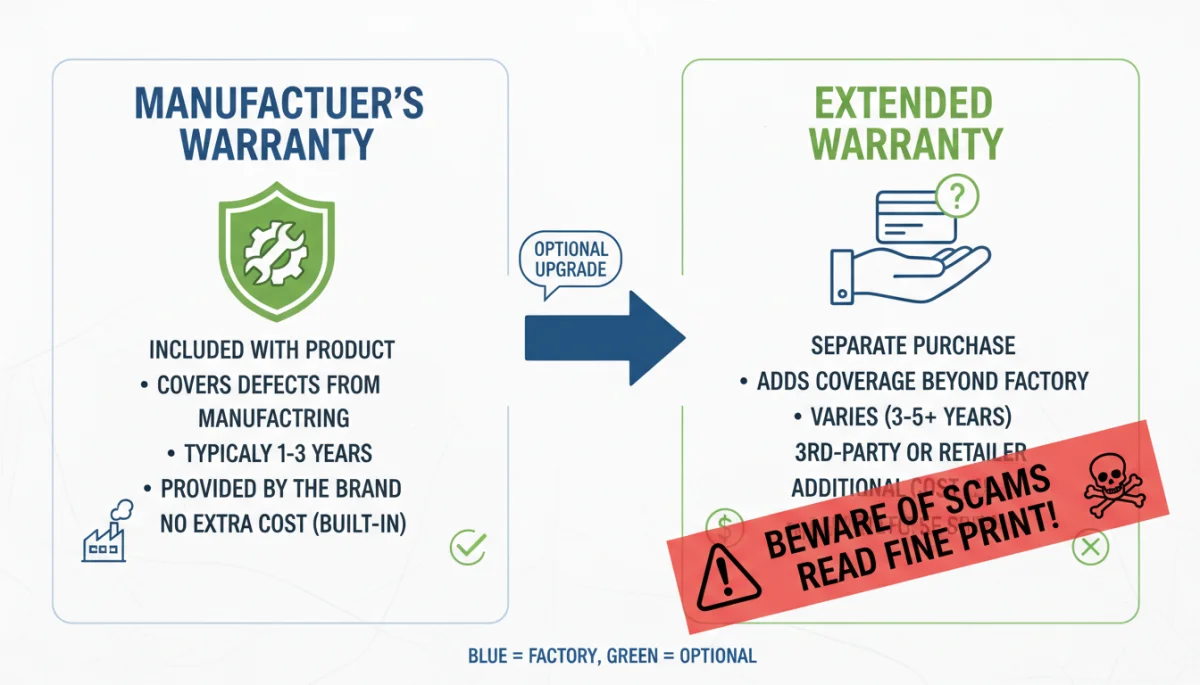
A warranty is essentially a guarantee from the manufacturer or seller that a product will function as advertised for a specific period. There are generally two types: express warranties, which are explicitly stated, and implied warranties, which are unstated but legally recognized. Knowing the difference empowers you to assert your rights effectively.
Anúncios
Express vs. Implied Warranties: What’s the Difference?
Express warranties are promises made directly by the seller or manufacturer, either verbally or in writing. This could be a statement like ‘this product is guaranteed for one year against defects.’ Implied warranties, on the other hand, are automatic protections under state law, even if not explicitly stated. The most common types are the implied warranty of merchantability, meaning the product will do what it’s supposed to do, and the implied warranty of fitness for a particular purpose, meaning the product is suitable for a specific use you discussed with the seller.
- Express Warranties: Clear, written or verbal promises from the seller or manufacturer.
- Implied Warranties: Automatic legal protections ensuring product quality and fitness for use.
- Magnuson-Moss Warranty Act: Federal law governing warranties on consumer products, ensuring transparency.
- State-Specific Protections: Many states offer additional consumer protections beyond federal law.
Familiarizing yourself with these basic warranty types is crucial. It forms the bedrock of your defense against misleading warranty offers and helps you discern legitimate product protection from potential scams. Always review the warranty information provided with your purchase carefully, and don’t hesitate to ask questions if anything is unclear.
Identifying Common Extended Warranty Scams in 2026
The landscape of extended warranty scams is constantly evolving, with fraudsters employing increasingly sophisticated methods to deceive consumers. In 2026, these scams often leverage fear tactics and aggressive marketing to pressure individuals into purchasing unnecessary or fraudulent coverage. Recognizing the red flags is paramount to protecting your finances and personal information.
These scams frequently target vulnerable groups or those with recent significant purchases, such as vehicles or major appliances. They often mimic official communications, making it difficult for an untrained eye to differentiate between a legitimate offer and a deceptive ploy. Staying vigilant and informed about current scam tactics is your best defense.
Typical Tactics Used by Scammers
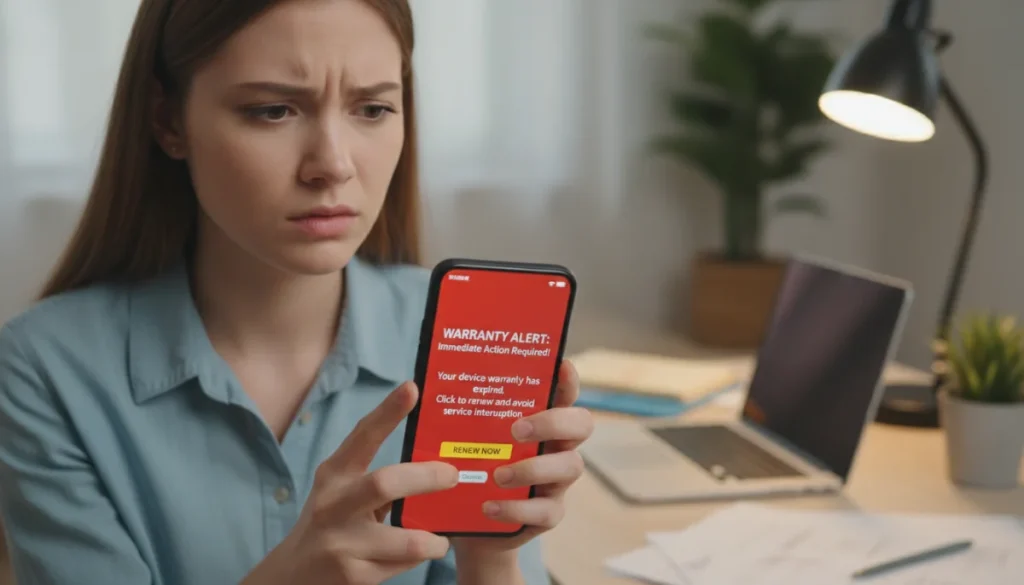
Scammers often use high-pressure sales tactics, claiming your existing warranty is about to expire, even if it isn’t. They might use automated calls, emails, or even postal mail that looks official. Another common tactic is to demand immediate payment or personal information, threatening that you’ll lose coverage if you don’t act quickly. They may also offer unbelievably low prices for extensive coverage, which should always raise suspicion.
- Aggressive Cold Calls: Unsolicited calls pressuring you to buy.
- Urgent Expiration Warnings: False claims that your warranty is expiring soon.
- Demands for Immediate Payment: Insistence on quick payment, often with unusual methods.
- Requests for Personal Information: Asking for bank details, Social Security numbers, or other sensitive data.
Always be skeptical of unsolicited communications regarding warranties. Legitimate companies rarely resort to such aggressive and fear-mongering tactics. If you receive a suspicious call or message, verify the information directly with the manufacturer or a trusted dealer before taking any action.
How to Verify Legitimate Warranty Offers and Providers
Distinguishing between a genuine extended warranty offer and a scam can be challenging, especially with the sophisticated methods employed by fraudsters. However, several key strategies can help you verify the legitimacy of an offer and ensure you’re dealing with a reputable provider. Due diligence is your strongest tool against deception.
Legitimate warranty providers prioritize transparency and clear communication. They will readily provide detailed information about their plans, terms, and conditions, without resorting to high-pressure sales tactics. Taking the time to research and confirm details can save you significant financial heartache in the long run.
Key Steps for Verification
Start by researching the company offering the warranty. Check their ratings with consumer protection agencies like the Better Business Bureau (BBB). Read online reviews, but be wary of overly positive or negative reviews that seem inauthentic. Always get a written contract detailing the coverage, exclusions, cost, and cancellation policy. Be suspicious if a company refuses to provide this information or pressures you to make a decision without it.
- Research the Provider: Check BBB ratings and consumer reviews.
- Demand Written Contracts: Ensure all terms and conditions are in writing.
- Verify Contact Information: Confirm physical address, phone numbers, and website.
- Avoid Pressure Sales: Legitimate companies allow time for review and decision-making.
When in doubt, contact the original manufacturer of your product directly. They can often confirm if a particular extended warranty provider is authorized to offer coverage for their products. This extra step can provide invaluable peace of mind and protect you from fraudulent schemes.
Understanding Your Rights When Dealing with Warranty Issues
Even with legitimate warranties, issues can arise. Knowing your consumer rights empowers you to navigate these situations effectively and ensures you receive the coverage you’re entitled to. The process of resolving a warranty dispute can sometimes be frustrating, but persistence and a clear understanding of your rights are key.
Federal and state laws provide mechanisms for consumers to seek recourse when warranty terms are not honored. These protections are designed to prevent manufacturers and sellers from unfairly denying claims or providing inadequate service. Being prepared with the right information can significantly improve your chances of a successful resolution.
Steps to Take for Warranty Disputes
If you encounter a problem, first gather all relevant documentation: your purchase receipt, warranty agreement, and any communication with the seller or manufacturer. Clearly document the issue with your product, including dates and specific symptoms. Contact the seller or manufacturer in writing, explaining the problem and referencing your warranty. If initial attempts fail, consider filing a complaint with your state’s Attorney General, the Federal Trade Commission (FTC), or a consumer protection agency.
- Document Everything: Keep records of purchases, warranties, and communications.
- Contact the Seller/Manufacturer: Provide clear, written notice of the issue.
- Understand Resolution Options: Be aware of repair, replacement, or refund policies.
- Seek External Assistance: Consumer protection agencies or legal aid can offer support.
Remember, you have a right to a product that functions as advertised and to warranty service when needed. Do not be intimidated by uncooperative companies. There are resources available to help you assert your rights and ensure fair treatment.
The Role of Regulatory Bodies in Consumer Protection
Regulatory bodies play a crucial role in safeguarding consumer interests against fraudulent warranty practices and ensuring fair business conduct. In the United States, several federal and state agencies are tasked with enforcing consumer protection laws, investigating complaints, and taking action against deceptive businesses. Understanding their functions can guide you when you need to report a scam or seek assistance.
These agencies act as a vital line of defense for consumers, providing avenues for reporting misconduct and offering resources for education and awareness. Their efforts help maintain a fair marketplace and deter companies from engaging in unlawful or unethical warranty-related activities.
Key Regulatory Agencies and Their Functions
The Federal Trade Commission (FTC) is a primary federal agency that protects consumers from deceptive and unfair business practices, including those related to warranties. They investigate complaints and can take enforcement actions. State Attorneys General offices also play a significant role, handling consumer complaints specific to their state and enforcing state-level consumer protection laws. Organizations like the Better Business Bureau (BBB) provide a platform for consumers to file complaints and offer ratings on businesses, helping others make informed decisions.
- Federal Trade Commission (FTC): Investigates unfair and deceptive practices, including warranty scams.
- State Attorneys General: Enforce state consumer protection laws and handle local complaints.
- Better Business Bureau (BBB): Provides business ratings and mediates consumer disputes.
- Consumer Financial Protection Bureau (CFPB): Focuses on financial products and services, which can sometimes overlap with warranty financing.
If you suspect a warranty scam or have an unresolved dispute, reporting it to these agencies is an important step. Not only can they potentially help resolve your specific issue, but your report also contributes to a broader effort to identify and stop fraudulent operations, protecting countless other consumers.
Proactive Measures to Avoid Warranty Scams in 2026
While knowing how to react to scams is important, taking proactive measures is the most effective way to protect yourself from extended warranty fraud in 2026. A proactive approach involves being informed, cautious, and strategic in how you handle product purchases and subsequent warranty offers. Prevention is always better than cure, especially when it comes to financial security.
By adopting certain habits and maintaining a healthy level of skepticism, you can significantly reduce your vulnerability to deceptive warranty schemes. This involves understanding the fine print, managing your information, and knowing when to simply walk away from a suspicious offer.
Best Practices for Consumer Protection
Always read the terms and conditions of any warranty, whether manufacturer or extended, before committing. Be wary of unsolicited calls or emails, especially those demanding immediate action. Keep accurate records of all your purchases and their original warranties. Consider if an extended warranty is truly necessary for your product; many items are reliable enough that extra coverage is superfluous. Finally, never give out personal financial information over the phone unless you initiated the call to a verified company.
- Read All Fine Print: Understand terms, conditions, and exclusions.
- Be Skeptical of Unsolicited Offers: Verify all communications independently.
- Maintain Purchase Records: Keep receipts and original warranty documents organized.
- Assess Necessity: Evaluate if an extended warranty provides real value for your specific purchase.
By implementing these proactive measures, you build a strong defense against the evolving landscape of warranty scams. Your informed vigilance is the most powerful tool in safeguarding your consumer rights and financial well-being.
| Key Point | Brief Description |
|---|---|
| Consumer Rights | Understand your basic protections under federal and state laws, including express and implied warranties. |
| Scam Identification | Recognize high-pressure tactics, urgent expiration claims, and demands for immediate personal information. |
| Verification Methods | Research providers, demand written contracts, and verify contact information for legitimacy. |
| Proactive Protection | Always read fine print, be skeptical of unsolicited offers, and maintain detailed purchase records. |
Frequently Asked Questions About Warranty Alerts and Scams
A manufacturer’s warranty is included with the product at purchase, covering defects for a set period. An extended warranty is an additional service contract purchased separately, extending coverage beyond the manufacturer’s terms or adding extra protections.
You should report suspected scams to the Federal Trade Commission (FTC) at ftc.gov/complaint and your state’s Attorney General’s office. You can also file a complaint with the Better Business Bureau (BBB) to alert other consumers and aid in investigations.
While not all unsolicited calls are scams, a vast majority of legitimate warranty providers do not use cold-calling or high-pressure tactics. It’s best to treat any unsolicited warranty offer with extreme caution and verify its legitimacy independently before engaging.
A legitimate contract should clearly detail the coverage period, covered parts and services, exclusions, deductible amounts, cancellation policy, and the contact information for the administrator. Always insist on a written copy before agreeing to anything.
Many extended warranty contracts offer a cancellation period, often with a full refund if canceled within a certain timeframe (e.g., 30-60 days). After this period, a pro-rated refund might be available. Always check the specific terms in your contract.
Conclusion
Navigating the complex world of warranties and consumer rights in 2026 requires vigilance and informed decision-making. By understanding your basic protections, recognizing the evolving tactics of extended warranty scams, and knowing how to verify legitimate offers, you empower yourself to make secure purchases. Proactive measures, combined with a clear understanding of regulatory support, form your strongest defense. Stay informed, question unsolicited offers, and always prioritize your consumer rights to ensure peace of mind with every product you buy.
