Utility Bill Fraud: Protecting Your Home from Billing Scams
Anúncios
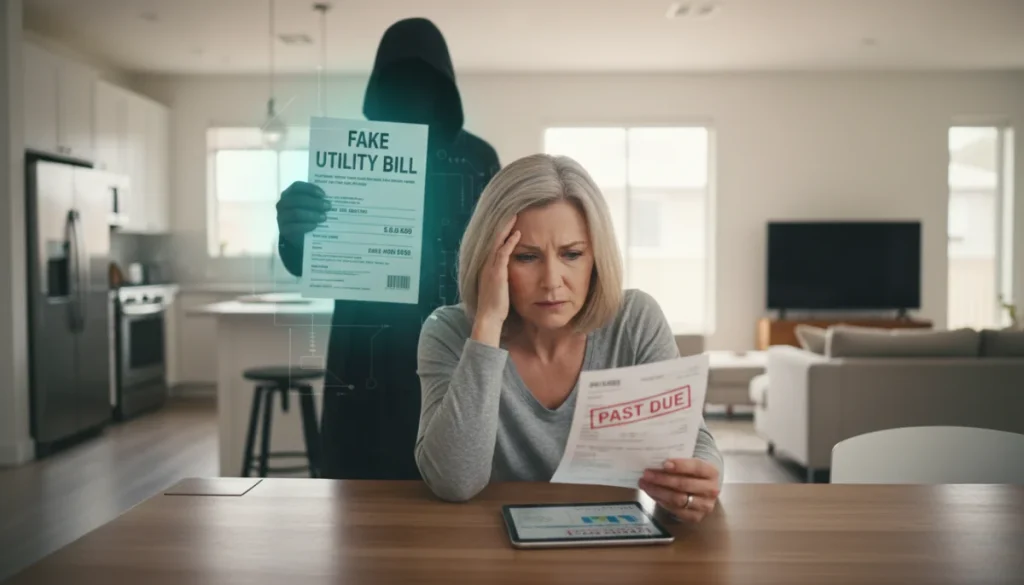
With utility bill fraud projected to increase by 10% in 2026, understanding and implementing robust protective measures is crucial for safeguarding your household finances and personal information.
Utility bill fraud is an increasingly sophisticated threat that targets homeowners across the United States, with projections indicating a significant 10% rise in scams by 2026. This alarming trend necessitates a proactive approach to consumer protection, equipping individuals with the knowledge and tools to identify, prevent, and respond to these deceptive schemes. Understanding the various forms these scams take and the motivations behind them is the first step in building a resilient defense against financial exploitation.
Anúncios
understanding the rising tide of utility bill fraud
The landscape of fraud is constantly evolving, and utility bill scams are no exception. These fraudulent activities exploit the essential nature of utility services, preying on people’s fear of disconnection or desire for discounts. Scammers leverage a variety of tactics, from impersonating utility company representatives to creating elaborate fake websites and invoices. The projected 10% increase in 2026 underscores the urgency for consumers to become more vigilant and informed.
One primary reason for this expected surge is the increasing digitalization of billing and communication. While digital platforms offer convenience, they also present new avenues for fraudsters to operate anonymously and at scale. Phishing emails, fake SMS messages, and malicious links are becoming more common, making it harder for the average consumer to distinguish legitimate communications from fraudulent ones.
common tactics used by fraudsters
Fraudsters employ a range of deceptive methods to trick unsuspecting individuals. Recognizing these tactics is crucial for prevention.
Anúncios
- Impersonation calls: Scammers call, threatening immediate service disconnection unless payment is made via prepaid cards or wire transfers.
- Phishing emails and texts: These messages often contain urgent warnings about overdue bills or offer enticing refunds, leading victims to fake websites that steal personal information.
- Door-to-door scams: Individuals posing as utility workers attempt to gain access to homes or collect personal data under false pretenses.
- Fake websites and payment portals: Fraudulent sites mimic legitimate utility company platforms, designed to steal payment details.
The sophistication of these scams means that even tech-savvy individuals can fall victim. Always verify the source of any communication regarding your utility bills, especially if it demands immediate action or unusual payment methods. The goal of fraudsters is often to create panic and bypass critical thinking.
In conclusion, the rising tide of utility bill fraud is a serious concern requiring heightened awareness. By understanding the common methods employed by scammers and the underlying reasons for their proliferation, consumers can better equip themselves to safeguard their finances and personal data. Vigilance and skepticism are your best allies in this ongoing battle against deception.
identifying red flags: how to spot a scam
Recognizing the warning signs of a utility bill scam is your most effective defense. Fraudsters often rely on urgency, intimidation, and unusual requests to bypass your critical judgment. Learning to identify these red flags can save you from significant financial loss and stress. It’s essential to maintain a healthy skepticism, especially when confronted with unexpected communications regarding your utility services.
Legitimate utility companies follow established procedures for billing and service notifications. Any deviation from these norms should immediately raise suspicion. Scammers thrive in environments where consumers are uninformed or under pressure, so empowering yourself with knowledge is key.
unusual payment requests and threats
One of the most common red flags involves payment methods and threats. Utility companies rarely demand immediate payment through unconventional means.
- Demands for specific payment methods: Be wary if you’re asked to pay with prepaid debit cards, gift cards, wire transfers, or cryptocurrency. Legitimate companies primarily accept payments through their official website, mail, or authorized payment centers.
- Threats of immediate disconnection: Scammers often threaten to shut off your service within minutes or hours if you don’t pay immediately. Utility companies typically provide multiple warnings and ample time before service disconnection.
- Requests for personal information: Never provide sensitive information like your Social Security number, bank account details, or credit card numbers over the phone or via email unless you initiated the contact and are certain of the recipient’s legitimacy.
Another telltale sign is poor grammar or spelling in emails and text messages. While not always definitive, such errors are often indicators of fraudulent communications. Furthermore, unsolicited calls or visits where someone claims to be from your utility company and asks for personal information or access to your home without prior appointment should be treated with extreme caution.
By staying alert to these red flags, consumers can significantly reduce their vulnerability to utility bill fraud. Trust your instincts; if something feels off, it probably is. Always take a moment to verify before acting on any urgent or unusual request.
proactive measures: strengthening your home’s defenses
Protecting your home from utility bill fraud requires a proactive and multi-layered approach. It’s not enough to react to scams; you must establish robust defenses that make it difficult for fraudsters to succeed. This involves a combination of digital security practices, careful information management, and direct communication protocols with your utility providers. Building a strong defense minimizes your risk of becoming a victim.
Many of these measures are simple to implement but yield significant security benefits. Regular review and updates to your security practices are also crucial, as scam tactics evolve over time. Empowering yourself with knowledge and consistent habits is the cornerstone of effective protection.
essential security practices for consumers
Implementing a few key practices can drastically reduce your susceptibility to utility scams.
- Verify all communications: Always contact your utility provider directly using the official phone number on your bill or their official website to verify any suspicious calls, emails, or texts. Do not use contact information provided by the potential scammer.
- Enroll in online accounts and paperless billing: This allows you to monitor your account activity directly and receive notifications from a trusted source, reducing reliance on potentially fraudulent mailed bills.
- Strong, unique passwords: Use complex and unique passwords for all your online utility accounts. Consider using a password manager to help you keep track of them securely.
- Regularly review your bills: Scrutinize every utility bill for unfamiliar charges, sudden increases, or discrepancies. Report any suspicious activity to your utility company immediately.
Educating your household members about these precautions is also vital. Ensure everyone who handles bills or answers the phone is aware of common scam tactics and knows how to respond. This collective awareness strengthens your home’s overall defense against fraud. Remember, utility companies will never pressure you for immediate payment or demand unconventional payment methods.
In summary, proactive measures are fundamental to safeguarding your home against utility bill fraud. By adopting essential security practices and fostering household awareness, you create a formidable barrier against the evolving threats posed by scammers. Constant vigilance and verification are your best tools.
the role of technology in fraud prevention
Technology, while sometimes exploited by fraudsters, also plays a crucial role in preventing utility bill fraud. Advanced cybersecurity tools, official utility company apps, and secure communication channels offer consumers powerful ways to protect themselves. Leveraging these technological solutions effectively can significantly enhance your ability to detect and deflect scams, adding another layer of defense to your personal security strategy. It’s about using technology smartly to counter technological threats.
Many utility providers are investing in secure platforms and educational resources to help their customers. Staying updated on these offerings and utilizing them to their full potential is a key aspect of modern fraud prevention. The digital world demands digital solutions for protection.
leveraging digital tools for security
There are several technological tools and practices that can bolster your defenses against utility scams.
- Official utility apps: Download and use your utility company’s official mobile app. These apps provide secure access to your account, billing history, and payment options, ensuring you interact with a legitimate source.
- Email filters and spam blockers: Configure your email client to filter suspicious emails into a spam folder. While not foolproof, this can help reduce the number of phishing attempts that reach your main inbox.
- Two-factor authentication (2FA): Enable 2FA on all your online utility accounts. This adds an extra layer of security, requiring a second verification step (e.g., a code sent to your phone) beyond just a password.
- Browser security extensions: Install reputable browser extensions that warn you about suspicious websites or phishing attempts, helping you avoid fake payment portals.
Furthermore, staying informed about the latest scam alerts from your utility company and consumer protection agencies through their official websites or social media channels is important. Many companies use these platforms to disseminate warnings about new scam variations. Regular software updates for your devices also patch security vulnerabilities that fraudsters might otherwise exploit.
In conclusion, embracing and effectively utilizing available technology is a critical component of preventing utility bill fraud. From official apps to robust authentication methods, these digital tools empower consumers to create a more secure environment for their financial transactions and personal data.
what to do if you’ve been targeted by a scam
Even with the best preventive measures, sometimes fraudsters manage to slip through. If you suspect you’ve been targeted by a utility bill scam, or worse, have already fallen victim, knowing the correct steps to take immediately is crucial. Swift action can mitigate potential damages, protect your identity, and help authorities track down the perpetrators. It’s a stressful situation, but a clear plan of action can make a significant difference.
Remember, you are not alone, and reporting the incident is vital not only for your own protection but also to prevent others from falling prey to the same scam. The goal is to limit exposure and recover as quickly as possible.
steps to take after a scam attempt or success
Immediate actions are necessary if you’ve been targeted or victimized.
- Do not engage further: If you receive a suspicious call, hang up immediately. If it’s an email or text, do not click on any links or reply. Block the sender if possible.
- Contact your utility company directly: Use the official contact information (from your bill or their official website) to report the scam attempt or fraudulent activity on your account. They can confirm if your account is in good standing or if there has been unauthorized access.
- Report to authorities: File a report with the Federal Trade Commission (FTC) at ReportFraud.ftc.gov. You should also contact your local police department, especially if you’ve lost money or shared personal information.
- Alert your bank/credit card company: If you made a payment to a scammer, immediately contact your bank or credit card provider to report the fraudulent transaction and explore options for recovery.
- Monitor your financial accounts: Keep a close eye on your bank statements and credit card activity for any unauthorized charges. Consider placing a fraud alert on your credit report with the three major credit bureaus (Experian, Equifax, TransUnion).
Changing passwords for all your online accounts, especially those related to finances, is also a wise precaution if you believe your personal information has been compromised. The faster you act, the greater your chances of minimizing harm and assisting law enforcement in their efforts to combat these crimes.
In conclusion, reacting promptly and strategically is paramount if you’ve been targeted by a utility bill scam. By engaging with your utility provider, reporting to the appropriate authorities, and securing your financial accounts, you can effectively manage the aftermath and contribute to broader efforts against fraud.
regulatory efforts and consumer advocacy
Combating utility bill fraud is not solely the responsibility of individual consumers; it also involves significant efforts from regulatory bodies, law enforcement, and consumer advocacy groups. These organizations play a crucial role in tracking scam trends, issuing warnings, enforcing regulations, and providing resources for victims. Their collective work forms a vital framework of support and protection for the public, especially as scams become more sophisticated and prevalent.
Understanding the landscape of regulatory oversight and advocacy can empower consumers to seek help and stay informed. These bodies are often at the forefront of identifying new threats and developing strategies to counter them, acting as a critical line of defense.
how organizations are fighting fraud
Various entities are actively working to protect consumers from utility bill scams.
- Federal Trade Commission (FTC): The FTC collects fraud reports, shares information with law enforcement, and provides educational resources to consumers about common scams and prevention tips.
- State Public Utility Commissions (PUCs): These state-level agencies regulate utility companies and often have departments dedicated to consumer protection, handling complaints and issuing warnings about scams specific to their jurisdiction.
- Better Business Bureau (BBB): The BBB tracks scam reports, provides a Scam Tracker tool, and offers advice on how to identify and avoid various types of fraud, including utility scams.
- Local law enforcement: Police departments investigate fraud cases and work to apprehend scammers, often collaborating with federal agencies on larger operations.
Consumer advocacy groups also play a significant role by raising awareness, lobbying for stronger consumer protections, and providing direct assistance to victims. These organizations often publish guides and host workshops to educate the public on how to recognize and report scams. Staying connected with these resources can provide timely alerts and valuable insights into emerging threats.
In essence, the fight against utility bill fraud is a collaborative effort. By leveraging the resources and support offered by regulatory bodies and consumer advocacy groups, individuals can not only protect themselves more effectively but also contribute to a safer environment for everyone. Active participation and engagement with these organizations strengthen the overall defense against fraudulent activities.
future outlook: staying ahead of evolving scams
The prediction of a 10% rise in utility bill fraud by 2026 underscores the dynamic nature of this threat. Scammers are constantly refining their methods, adopting new technologies, and exploiting current events to craft more convincing deceptions. Therefore, staying ahead requires continuous adaptation from both consumers and protection agencies. The future of fraud prevention will heavily rely on enhanced technological solutions, widespread public education, and stronger cross-sector collaboration.
Consumers must cultivate a mindset of perpetual vigilance, understanding that what worked yesterday might not be sufficient tomorrow. This forward-looking approach is crucial for maintaining effective defenses against an ever-evolving adversary. Education and awareness are not static concepts but ongoing processes.
preparing for tomorrow’s fraud landscape
Anticipating future scam trends involves several key strategies.
- Continuous education: Regularly seek out information from reputable sources (utility companies, FTC, BBB) regarding new scam variations. Subscribe to consumer alert newsletters.
- Adoption of advanced security: Embrace new security technologies as they become available, such as more sophisticated multi-factor authentication methods or AI-powered fraud detection tools.
- Community vigilance: Share information about scams with family, friends, and community groups. A collective awareness network can help disseminate warnings quickly and protect more people.
- Policy and technological innovation: Support initiatives that push for stronger regulatory frameworks and encourage utility companies to invest in cutting-edge cybersecurity infrastructure to protect customer data.
The rise of artificial intelligence and deepfake technology also presents new challenges, as fraudsters may use these tools to create highly convincing fake voices or videos that impersonate utility representatives. Developing critical media literacy and verifying information through official channels will become even more paramount. Staying informed about these technological advancements and their potential misuse is a vital component of future-proofing your defenses.
Ultimately, the battle against utility bill fraud is an ongoing marathon, not a sprint. By prioritizing continuous learning, embracing technological advancements, and fostering community awareness, consumers can build robust and adaptable defenses that stand a better chance against the evolving tactics of fraudsters. Proactive engagement today secures tomorrow’s peace of mind.
| Key Aspect | Brief Description |
|---|---|
| Rising Threat | Utility bill fraud expected to increase by 10% in 2026, driven by digital platforms. |
| Red Flags | Unusual payment requests (gift cards), immediate disconnection threats, unsolicited personal info demands. |
| Prevention | Verify communications, use official apps, strong passwords, 2FA, regular bill review. |
| Response | Report to utility company, FTC, local police; contact bank; monitor accounts. |
frequently asked questions about utility bill fraud
Always contact your utility provider directly using the official phone number found on your bill or their official website. Do not use any contact information provided by a suspicious caller, email, or text. Legitimate companies will never pressure you for immediate payment.
Scammers frequently demand payment through unconventional and untraceable methods such as prepaid debit cards, gift cards, wire transfers, or cryptocurrency. Legitimate utility companies typically accept payments via their official website, mail, or authorized payment centers.
Immediately contact your bank or credit card company to report the fraudulent transaction. File a report with the Federal Trade Commission (FTC) at ReportFraud.ftc.gov and your local police department. Monitor your financial accounts closely for any further unauthorized activity.
No, legitimate utility companies typically provide multiple warnings and ample time before disconnecting service due to non-payment. Scammers often use threats of immediate disconnection to create panic and pressure you into quick, ill-advised action. Always verify any such threat.
Utilize official utility company apps for secure account management, enable two-factor authentication (2FA) on online accounts, and use email filters. Browser security extensions can also warn against fake websites, enhancing your digital defenses against fraud attempts.
conclusion
The projected increase in utility bill fraud by 2026 serves as a stark reminder of the persistent and evolving threats consumers face. Protecting your home and finances demands a combination of vigilance, education, and the strategic use of available security tools. By understanding the common tactics employed by fraudsters, recognizing red flags, implementing proactive digital and behavioral measures, and knowing how to respond if targeted, individuals can significantly fortify their defenses. Furthermore, leveraging the support of regulatory bodies and staying informed about emerging scam trends are crucial steps in this ongoing battle. A collective, informed effort is the most effective way to safeguard against these deceptive schemes and ensure peace of mind.
