Travel Scam Advisory: 6 Deceptive Vacation Deals 2026
Anúncios
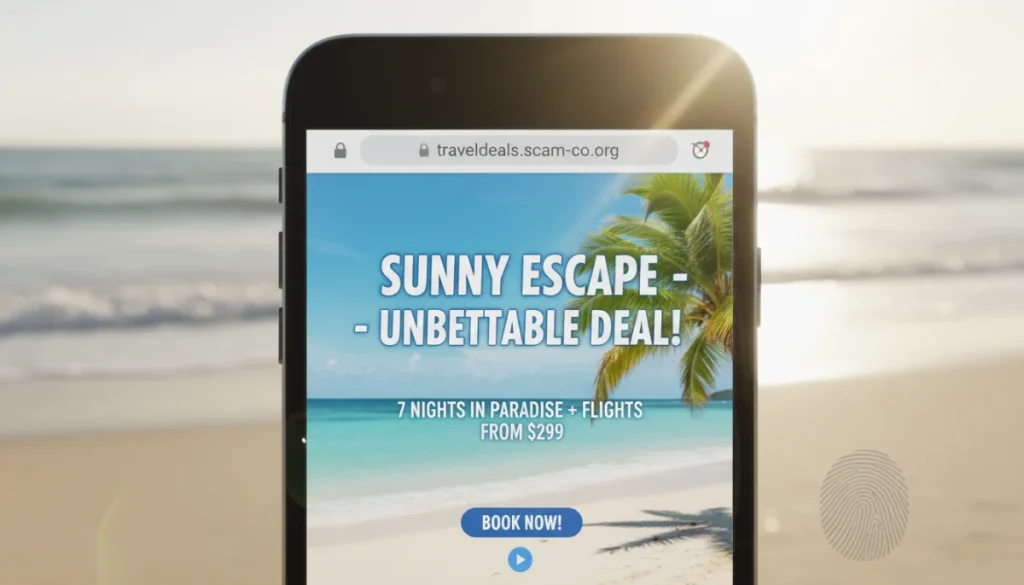
To safeguard your summer 2026 vacation, it is crucial to understand and avoid the prevalent deceptive travel package deals that target unsuspecting travelers.
Anúncios
Planning your dream summer getaway for 2026 should be an exciting endeavor, free from worry. However, the unfortunate reality is that scammers are always evolving their tactics, making it more critical than ever to be informed. This summer, a new wave of deceptive offers is on the rise, and understanding the common pitfalls is your first line of defense. This travel scam advisory aims to equip you with the knowledge to identify and steer clear of fraudulent vacation package deals, ensuring your trip remains a joyful experience rather than a costly nightmare.
Understanding the evolving landscape of travel scams
The digital age has brought unprecedented convenience to travel planning, yet it has also opened new avenues for fraudsters. Scammers are increasingly sophisticated, leveraging technology and social engineering to create highly convincing, yet ultimately fake, travel opportunities. Their targets range from budget-conscious travelers seeking incredible deals to those simply looking for a hassle-free booking experience.
These deceptive practices often prey on urgency and the desire for exclusivity, pushing travelers into quick decisions without proper vetting. The consequences can range from losing money to identity theft, severely impacting financial stability and peace of mind. Recognizing the signs of a scam is paramount.
Anúncios
The psychology behind successful travel scams
Scammers are masters of manipulation, often exploiting psychological triggers to bypass rational thought. They understand that the allure of a cheap flight or an all-inclusive resort at an unbelievable price can override a traveler’s natural caution. This is why urgency, exclusivity, and emotional appeals are central to their schemes.
- Sense of urgency: “Limited-time offer! Book now or miss out!” This pressure tactic aims to prevent victims from researching the deal or checking its legitimacy.
- Too good to be true: Deals that seem impossibly cheap are almost always a red flag. Scammers dangle enticing prices to hook potential victims.
- Emotional connection: They might create fake testimonials or use imagery that evokes strong desires for relaxation, adventure, or family fun, making the offer seem more legitimate and desirable.
By understanding these psychological elements, travelers can better arm themselves against falling victim. Always take a step back and critically evaluate any offer that triggers an immediate, strong emotional response or a sense of haste.
The “free vacation” trap and hidden fees
One of the oldest, yet still effective, tricks in the scammer’s playbook is the “free vacation” offer. These usually arrive via unsolicited emails, pop-up ads, or even phone calls, promising an all-expenses-paid trip to an exotic destination. While the initial offer sounds incredible, the reality is far from it, often leading to significant financial losses.
These scams are designed to extract personal information or upfront fees under various pretexts. Once you’re hooked by the promise of a free trip, they introduce a series of charges that quickly add up, making the “free” vacation anything but. It’s a classic bait-and-switch operation that relies on the victim’s excitement and trust.
Identifying the red flags of “free vacation” scams
To protect yourself, it’s essential to recognize the tell-tale signs of these deceptive offers. Vigilance and a healthy dose of skepticism are your best tools against falling prey to such schemes. Never assume an offer is legitimate just because it looks professional.
- Unsolicited contact: If you didn’t enter a contest or sign up for a promotion, unsolicited offers for free trips are highly suspicious.
- Upfront “taxes” or “processing fees”: Legitimate companies rarely ask for significant upfront fees for a truly free prize. Any request for money before receiving your “free” trip should raise a major red flag.
- Pressure to act immediately: Scammers want you to make a decision before you have time to think or research. High-pressure sales tactics are a hallmark of fraudulent operations.
Always remember, if a deal sounds too good to be true, it almost certainly is. A genuine free vacation would come with clear terms and conditions, not hidden costs or aggressive sales pitches. Always verify the legitimacy of the company making the offer.
Fake booking websites and phishing attempts
In the digital age, booking travel online is standard. However, this convenience comes with a significant risk: fake booking websites and phishing attempts. Scammers create sophisticated replicas of legitimate travel agency sites, complete with professional branding and convincing layouts. Their goal is to trick you into entering your personal and financial information, which they then steal.
These fraudulent sites often appear high in search engine results through paid advertising, making them seem credible. Once you input your credit card details or passport information, the scammers disappear, leaving you with no booking and compromised data. Phishing emails, designed to look like they’re from reputable airlines or hotels, serve a similar purpose, directing you to these fake sites.
How to spot a fraudulent travel website or email
Protecting yourself requires careful attention to detail and a proactive approach to verifying online sources. Do not click on links indiscriminately, even if the sender appears familiar. Always double-check URLs and email addresses.
- Check the URL: Look for subtle misspellings (e.g., “expeda.com” instead of “expedia.com”) or unusual domain extensions. Always ensure the site uses “https://” for secure connections.
- Poor grammar or spelling: While sophisticated, many fake sites or emails still contain grammatical errors or awkward phrasing that legitimate companies would not.
- Generic greetings: Phishing emails often use generic greetings like “Dear customer” instead of your name. Legitimate companies personalize their communications.
Before entering any sensitive information, independently navigate to the official website of the airline, hotel, or travel agency to confirm the deal. Never rely solely on links provided in emails or ads.
Non-existent vacation rentals and property scams
The allure of a private vacation rental can be strong, especially for families or groups. However, this sector is ripe for scams involving non-existent properties or those that are significantly misrepresented. Scammers post attractive listings for properties that don’t exist, are already booked, or are not owned by them, often at prices that seem too good to pass up.
Victims typically discover the fraud upon arrival at their destination, finding no such property or a completely different, substandard accommodation. By then, the scammer has disappeared with their payment, leaving travelers stranded and out of pocket. These scams can be particularly devastating, ruining entire vacations.
Safeguarding against rental property fraud
Due diligence is crucial when booking vacation rentals. Take the time to verify the listing and the legitimacy of the host. A few extra steps can save you from a ruined trip and financial loss.
- Verify the listing: Use Google Street View to check the property’s exterior and surroundings. Search for the address online to see if it’s associated with other listings or scams.
- Communicate directly with the host: Ask specific questions about the property, local attractions, and check-in procedures. Be wary of hosts who push for communication outside of the booking platform.
- Avoid wire transfers or cash payments: Reputable booking platforms offer secure payment methods that provide some level of protection. Scammers often insist on untraceable payment methods like wire transfers.
Always read reviews from previous guests, but also be aware that fake reviews can exist. Look for consistent patterns and detailed feedback, and cross-reference with other review sites if possible. 
Timeshare resale and presentation scams
Timeshares have long been associated with high-pressure sales tactics, and unfortunately, the resale market and promotional presentations are fertile ground for scams. These schemes often target existing timeshare owners looking to sell or individuals lured by the promise of a “free” gift in exchange for attending a presentation.
In resale scams, fraudsters promise to sell your timeshare quickly for a high price, but demand an upfront fee. Once paid, they vanish, and your timeshare remains unsold. Presentation scams, on the other hand, use the bait of freebies (like a travel voucher) to get you into a high-pressure sales environment, often involving deceptive promises about vacation packages.
Recognizing timeshare-related fraud
Navigating the timeshare market requires extreme caution. The complexity of timeshare ownership and the emotional appeal of vacationing make it easy for scammers to exploit vulnerabilities.
- Upfront fees for resale: Legitimate timeshare resale companies typically work on commission after a sale, not by demanding large upfront fees.
- Unrealistic promises: Be skeptical of any company guaranteeing a quick sale at an inflated price, especially if they haven’t seen your property.
- Aggressive sales tactics at presentations: If a “free” presentation quickly turns into an intense, long-duration sales pitch with immediate decision demands, it’s a major red flag.
Always research any company offering timeshare resale services or promotional presentations. Check their reputation with consumer protection agencies like the Better Business Bureau (BBB) before committing to anything.
“Travel club” memberships and subscription traps
Travel club memberships can sometimes offer legitimate benefits, but many are thinly veiled scams designed to extract recurring payments without delivering real value. These clubs promise exclusive access to deeply discounted travel, luxurious accommodations, and VIP experiences, often for a significant upfront fee and ongoing monthly or annual subscriptions.
The reality often falls short of the promises. Members find that the “exclusive” deals are no better than those publicly available, or that the promised destinations and amenities are constantly unavailable. Canceling these memberships can also be incredibly difficult, as scammers design contracts with hidden clauses and complex termination processes, trapping consumers in endless payments.
Evaluating a travel club’s legitimacy
Before joining any travel club, a thorough investigation is essential. Do not get swept away by glossy brochures or charismatic sales pitches. Demand transparency and concrete proof of value.
- Hidden fees and complex contracts: Scrutinize all terms and conditions. Look for clauses about cancellation policies, additional charges, and renewal terms.
- Lack of verifiable testimonials: Be wary if the only positive feedback comes from their own website or sales representatives. Search for independent reviews and complaints.
- Pressure to sign immediately: Legitimate clubs will give you time to review their offerings and terms. High-pressure sales tactics are a classic scam indicator.
Ask for a trial period or a clear breakdown of actual savings versus public prices. Compare their “exclusive” deals with what you can find on popular travel booking sites. If they refuse or are evasive, walk away.
Bait-and-switch vacation packages
The bait-and-switch tactic is particularly insidious because it preys on your excitement for a specific deal. Scammers advertise an incredibly attractive vacation package—perhaps a luxury resort stay at an unbelievably low price—to draw you in. Once you commit, often by paying a deposit or the full amount, the original offer mysteriously becomes “unavailable.”
They then try to switch you to a much less desirable or more expensive alternative, claiming it’s the “only option left.” By this point, you’re invested, both emotionally and financially, making it harder to walk away without losing money. This scam thrives on the sunk cost fallacy, where victims continue to invest because they’ve already put resources into the initial offer.
How to avoid bait-and-switch travel deals
Preventing bait-and-switch scams requires vigilance and a willingness to walk away if the terms change unexpectedly. Always confirm the specifics of your booking and be prepared to challenge any alterations.
- Get everything in writing: Ensure all details of the advertised package—dates, accommodations, inclusions, and price—are explicitly stated in your confirmation.
- Confirm with third parties: If booking through a travel agent or consolidator, independently confirm the reservation directly with the airline, hotel, or cruise line.
- Beware of vague descriptions: Packages that lack specific details about hotels, flight times, or inclusions are more likely to be subject to change or misrepresentation.
If the advertised deal suddenly becomes unavailable and you’re pushed toward a different, inferior, or more expensive option, consider it a major red flag. It’s often better to cut your losses early than to proceed with a deal that feels manipulated.
| Key Scam Type | Brief Description |
|---|---|
| Free Vacation Trap | Offers free trips but demands upfront fees or personal data, leading to hidden costs. |
| Fake Booking Sites | Replicates legitimate travel sites to steal personal and financial information. |
| Non-existent Rentals | Advertises properties that don’t exist, are unavailable, or are misrepresented. |
| Bait-and-Switch Packages | Advertises an appealing deal, then switches to a less desirable or more expensive option. |
Frequently asked questions about travel scams
Always check if the agency is registered with reputable industry organizations like ASTA (American Society of Travel Advisors). Look for reviews on independent consumer sites, not just their own. Verify their physical address and phone number, and call to confirm details. A legitimate agency will have transparent terms and conditions.
If you suspect a scam, immediately contact your bank or credit card company to report fraudulent charges. Gather all documentation related to the scam, such as emails, receipts, and communication logs. File a report with the Federal Trade Commission (FTC) and your local consumer protection agency. Alert travel review sites to warn others.
While some legitimate travel deals are advertised on social media, extreme caution is advised. Scammers frequently use social platforms. Always verify the source of the ad. Do not click directly on links; instead, navigate independently to the official website of the airline, hotel, or reputable travel agent to confirm the offer. Look for verified accounts.
Credit cards generally offer the best protection against fraud, as they allow you to dispute charges. Avoid wire transfers, gift cards, or direct bank transfers, as these are often untraceable and offer no recourse if you’re scammed. Use secure payment gateways provided by reputable booking platforms.
Only provide personal information on secure, reputable websites (look for ‘https://’ in the URL). Be wary of requests for excessive personal details. Use strong, unique passwords for all travel-related accounts. Be cautious about public Wi-Fi when making bookings. Regularly monitor your bank and credit card statements for suspicious activity.
Conclusion
As summer 2026 approaches, the excitement of travel is palpable, but so is the need for heightened awareness against deceptive vacation package deals. From the tempting “free vacation” traps to sophisticated fake booking websites and timeshare resale scams, the landscape of travel fraud is complex and constantly evolving. By understanding the common tactics employed by scammers and adopting a proactive, skeptical approach to any offer that seems too good to be true, you can significantly reduce your risk. Always verify sources, scrutinize details, and prioritize secure payment methods. Your vigilance is the ultimate safeguard against turning a dream vacation into a costly disappointment, ensuring your summer travels are filled with genuine joy and unforgettable experiences.
