Create Your Home’s Third Space for Daily Relaxation
Anúncios
Creating a dedicated ‘third space’ within your home for 1-2 hours of daily relaxation is crucial for mental well-being, offering a sanctuary for unwinding and personal rejuvenation amidst daily demands.
In our increasingly busy lives, finding moments of peace and quiet can feel like a luxury, not a necessity. However, the concept of creating a ‘third space’: design your home for 1-2 hours of daily relaxation is gaining traction as a vital component of mental and emotional well-being. This isn’t just about having a quiet room; it’s about intentionally crafting an environment that serves as a personal sanctuary, a place where the demands of work, family, and external pressures momentarily fade away, allowing for genuine rejuvenation.
Anúncios
Understanding the ‘Third Space’ Concept
The term ‘third space’ traditionally refers to environments distinct from home (first space) and work (second space), such as cafes, libraries, or community centers, where individuals can gather, socialize, or simply exist. However, the modern interpretation extends this concept into the home itself, recognizing the need for a personal retreat within our primary living environment. This internal ‘third space’ is a dedicated area, thoughtfully designed to support relaxation, introspection, and personal interests, providing a crucial antidote to the stresses of contemporary life.
The essence of a home-based ‘third space’ lies in its ability to offer psychological distance, even if physically close. It’s a mental shift enabled by a physical setting, a place where you can shed roles and simply be. This space isn’t necessarily large or elaborate; it can be a cozy nook, a specific chair, or even a small section of a room. The key is its intentionality and its capacity to serve as a consistent haven for unwinding.
The Psychological Benefits of a Dedicated Retreat
Having a designated area for relaxation can significantly impact mental health. It provides a clear boundary between different aspects of life, helping to prevent burnout and foster a sense of control. This separation allows the brain to fully disengage from stressors, promoting deeper relaxation and mental clarity.
Anúncios
- Stress Reduction: A dedicated space signals to your mind that it’s time to decompress, lowering cortisol levels.
- Enhanced Focus: Without distractions, you can engage more deeply in relaxing activities, improving their effectiveness.
- Improved Mood: Regular relaxation in a pleasant environment can boost mood and overall emotional resilience.
- Increased Creativity: Downtime in a peaceful setting often sparks new ideas and perspectives.
Ultimately, a ‘third space’ within your home is an investment in your personal well-being. It’s a commitment to prioritizing self-care and acknowledging the profound impact that environment has on our inner state. By understanding and embracing this concept, you lay the groundwork for a more balanced and fulfilling daily life.
Identifying Your Relaxation Needs and Space
Before embarking on the design process, it’s crucial to identify what truly helps you relax and where in your home this can best be achieved. Relaxation is highly personal; what soothes one person might bore another. Reflect on your preferred activities during downtime and consider the practicalities of your living situation. This initial self-assessment is the cornerstone of creating an effective ‘third space’.
Start by making a list of activities that genuinely bring you peace or joy. Do you enjoy reading, meditating, journaling, listening to music, engaging in a hobby like knitting or drawing, or simply sitting in quiet contemplation? The answers to these questions will guide your design choices, ensuring the space is tailored to your specific needs. Avoid creating a space for activities you feel you ‘should’ do, and instead focus on what you genuinely desire.
Assessing Potential Locations in Your Home
Once you know your relaxation preferences, scout your home for suitable locations. Look for areas that offer a degree of privacy and can be easily separated from high-traffic zones. Consider both obvious and less obvious spots.
- Spare Room: An ideal choice if available, offering maximum privacy and design flexibility.
- Corner of a Bedroom: Can be transformed into a cozy reading nook or meditation zone.
- Unused Closet: A surprisingly effective spot for a small, enclosed meditation or quiet space.
- Attic or Basement Nook: Often provides isolation, but may require more work to make comfortable.
- Enclosed Porch or Balcony: Offers a connection to nature, weather permitting.
Think about the natural light, noise levels, and overall atmosphere of each potential spot. A space near a window might be perfect for reading, while a quieter, darker corner might suit meditation. It’s not about the size of the space, but its potential to become a personal sanctuary. Even a small, well-designed area can be incredibly effective in providing the necessary escape for daily relaxation. The goal is to create a clear physical boundary that signals to your mind that this is a place for unwinding.
Designing for Sensory Comfort: Sight, Sound, and Touch
The effectiveness of your ‘third space’ hinges on its ability to appeal to your senses, creating an environment that actively promotes relaxation. Thoughtful consideration of sight, sound, and touch can transform any area into a haven of tranquility. This sensory design goes beyond mere aesthetics; it’s about crafting an immersive experience that soothes and rejuvenates.
Begin by thinking about the visual aspects. Colors play a significant role in mood. Soft, muted tones like blues, greens, and grays are often associated with calmness and serenity. Natural elements, such as plants, wooden accents, and natural light, can further enhance this sense of peace, connecting you to the outside world even when indoors. Avoid clutter, as it can be visually distracting and mentally taxing. A minimalist approach often works best for a relaxation space, allowing the mind to clear and focus on the present moment.
Creating an Auditory Oasis
Sound is a powerful, often overlooked, component of relaxation. In your ‘third space’, the goal is to minimize disruptive noises and introduce calming sounds. Consider the ambient noise of your home and neighborhood, and plan accordingly.
- Noise Cancellation: Use thick curtains, rugs, or even sound-absorbing panels if external noise is an issue.
- Soothing Sounds: Incorporate a white noise machine, a small indoor fountain, or play gentle instrumental music.
- Silence: For some, complete silence is the ultimate luxury. Ensure the space allows for this.
The tactile experience is equally important. Think about the textures you’ll encounter in your space. Soft blankets, plush pillows, and comfortable seating are paramount. Natural fabrics like cotton, linen, or wool can add to the feeling of comfort and warmth. Even the texture of a rug underfoot can contribute to the overall sensory experience. By carefully curating these elements, you create a space that not only looks inviting but also feels deeply comforting, encouraging you to linger and truly relax.
Furnishing and Decorating Your Personal Retreat
Once the sensory foundations are laid, the next step is to furnish and decorate your ‘third space’ to maximize comfort and functionality. The choices you make here should align with your relaxation activities and contribute to the overall serene atmosphere. Remember, every item in this space should serve a purpose: either to enhance comfort, facilitate an activity, or simply bring joy without adding clutter.
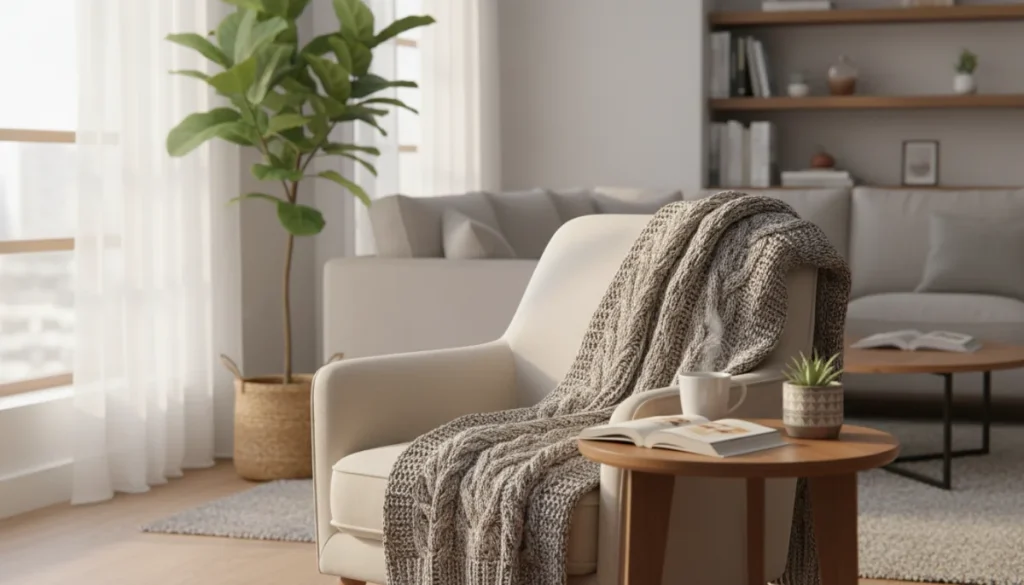
Start with the most crucial element: seating. Whether it’s a plush armchair, a comfortable floor cushion, or a chaise lounge, choose something that invites you to settle in and relax for an extended period. Prioritize ergonomic support and soft, inviting materials. A small side table is often indispensable for holding a book, a cup of tea, or your journal. Keep it minimalist to avoid accumulation of unnecessary items, maintaining the clean lines and clear purpose of the space.
Lighting: Setting the Mood
Lighting plays a pivotal role in setting the mood. Harsh overhead lighting can be jarring and counterproductive to relaxation. Instead, opt for layered lighting that allows for flexibility and warmth.
- Natural Light: Maximize natural light during the day with sheer curtains or blinds that diffuse harsh rays.
- Soft Lamps: Use floor lamps or table lamps with warm-toned bulbs to create a cozy, inviting glow in the evenings.
- Dimmers: Install dimmers for overhead lights to adjust intensity as needed, providing versatility.
- Candles: Scented or unscented candles can add a warm ambiance and a touch of aromatherapy.
Decorations should be minimal and meaningful. Choose items that evoke positive emotions or memories, such as a favorite piece of art, a photograph, or a souvenir from a cherished trip. Plants not only add a touch of nature but also improve air quality. Storage solutions, like baskets or small shelves, can keep clutter at bay, ensuring that the space remains a sanctuary rather than becoming another storage area. Every design choice should reinforce the idea that this space is solely for your peace and rejuvenation, free from the demands of everyday life.
Integrating Technology Thoughtfully
In our hyper-connected world, the role of technology in a relaxation space requires careful consideration. While some forms of technology, like calming music apps or e-readers, can enhance relaxation, others, such as work-related devices or social media, can be significant sources of distraction and stress. The goal is to integrate technology thoughtfully, ensuring it serves your relaxation needs without undermining the sanctuary’s purpose.
Before introducing any tech, ask yourself if it genuinely contributes to your sense of calm or relaxation. For many, a ‘third space’ is an opportunity for a digital detox, a break from screens and notifications. If this resonates with you, consider making your space a tech-free zone, or at least free from devices that connect you to work or social obligations. This deliberate disconnection can be incredibly liberating, allowing for deeper introspection and true mental rest.
Smart Tech for Enhanced Serenity
However, certain smart technologies can indeed enhance your relaxation experience when used judiciously. The key is to choose devices that automate comfort or provide access to calming content, rather than demanding your constant attention.
- Smart Lighting: Systems that allow you to adjust color temperature and brightness can create dynamic ambient lighting.
- Sound Machines/Speakers: High-quality speakers for ambient music or nature sounds, easily controlled via voice or app.
- E-readers: For those who love to read, an e-reader can replace physical books, reducing clutter.
- Meditation Apps: If used on a device solely dedicated to relaxation, these can be powerful tools.
When incorporating technology, ensure it is discreet and doesn’t visually dominate the space. Charging stations can be hidden, and devices put away when not in use. The aim is to create an environment where technology is a silent helper, facilitating your relaxation without becoming a focal point. By being intentional about technology integration, you ensure your ‘third space’ remains a true haven, free from the constant digital demands of modern life, allowing you to truly unwind and recharge.
Maintaining Your Sanctuary: Habits and Rituals
Creating a beautiful ‘third space’ is only half the battle; maintaining its sanctity and making its use a consistent habit is crucial for long-term well-being. A dedicated space, however perfectly designed, will only be effective if you regularly engage with it. This involves establishing simple routines and rituals that reinforce its purpose and ensure it remains a place of peace, not just another room in your home.
Start by scheduling your relaxation time. Even 15-30 minutes daily can make a significant difference. Treat this appointment with yourself as non-negotiable, just like any other important commitment. Consistency is key to training your mind to associate this space and time with relaxation. Over time, simply entering your ‘third space’ will begin to trigger a sense of calm, even before you begin your chosen activity. This Pavlovian response is a powerful tool for stress reduction.
Daily Rituals for Deeper Relaxation
Enhance your experience with simple rituals that signal the transition from daily demands to personal peace. These don’t need to be elaborate; consistency is more important than complexity.
- Pre-Relaxation Prep: Before entering, turn off notifications, put away work-related items, and maybe prepare a calming drink.
- Sensory Engagement: Light a candle, put on your favorite calming music, or open a window for fresh air.
- Mindful Entry: Take a deep breath as you step into the space, consciously leaving external worries behind.
- Post-Relaxation Reflection: Acknowledge the calm you’ve cultivated before re-engaging with daily tasks.
Regularly decluttering and cleaning your ‘third space’ is also vital. A tidy environment promotes a tidy mind. Ensure that items associated with relaxation are readily accessible, and anything that doesn’t serve the space’s purpose is removed. By nurturing both the physical space and your habits within it, you create a powerful, ongoing resource for mental resilience and daily rejuvenation. This dedication transforms a mere room into a vital sanctuary, a consistent source of peace in an often-chaotic world. 
Beyond the Physical: Cultivating a Mindset of Relaxation
While the physical design of your ‘third space’ is foundational, its true power lies in its ability to foster a mindset of relaxation that extends beyond its walls. The goal isn’t just to have a place to relax, but to cultivate a deeper capacity for calm and presence that you can carry into other areas of your life. This involves intentional practice and a conscious effort to shift your mental state, using your ‘third space’ as a training ground for inner peace.
Think of your daily time in the ‘third space’ as a mental reset button. It’s an opportunity to practice mindfulness, to observe your thoughts without judgment, and to reconnect with your inner self. The activities you choose, whether meditation, reading, or simply quiet contemplation, are vehicles for this inner work. The consistency of this practice strengthens your mental muscles, making it easier to access states of calm even when you’re not in your designated sanctuary.
Extending Relaxation into Daily Life
The lessons learned in your ‘third space’ can be powerfully integrated into your everyday routine, creating a more balanced and less stressful existence. It’s about taking the principles of your sanctuary and applying them more broadly.
- Mindful Breaks: Apply the ‘third space’ concept to short breaks throughout your day, even if it’s just a few minutes of quiet reflection.
- Boundary Setting: Learn to protect your personal time and space, just as you protect your relaxation sanctuary.
- Sensory Awareness: Pay attention to calming sensory details in your environment, even outside your dedicated space.
- Emotional Regulation: Use the techniques practiced in your ‘third space’ to manage stress responses in real-time.
Ultimately, your ‘third space’ becomes a symbol of your commitment to self-care and mental well-being. It’s a constant reminder that peace is not just an escape but an integral part of a healthy life. By cultivating this mindset, you transform your home into not just a place of residence, but a true haven that supports your holistic health, allowing you to navigate the complexities of modern life with greater equanimity and joy.
| Key Aspect | Brief Description |
|---|---|
| Define Purpose | Identify personal relaxation activities and needs to tailor your ‘third space’. |
| Sensory Design | Optimize sight, sound, and touch with calming colors, minimal noise, and soft textures. |
| Thoughtful Furnishing | Choose comfortable seating, appropriate lighting, and meaningful, clutter-free decor. |
| Maintain Habits | Establish consistent routines and rituals to regularly utilize and preserve your sanctuary. |
Frequently Asked Questions About Home Relaxation Spaces
A ‘third space’ at home is a dedicated area, separate from your main living and working zones, designed specifically for personal relaxation, introspection, and engaging in hobbies. It serves as a sanctuary for unwinding and recharging away from daily stressors.
You don’t need a large area. Even a small corner of a room, a cozy nook, or a quiet section of a bedroom can be transformed into an effective ‘third space.’ The key is intentional design and consistent use, not necessarily square footage.
It depends on your relaxation preferences. While some prefer a tech-free zone for digital detox, others might use specific devices like e-readers or smart speakers for calming music. The rule is to include technology thoughtfully, ensuring it enhances, rather than distracts from, relaxation.
Sensory comfort involves calming visuals (soft colors, natural elements, minimal clutter), soothing sounds (noise reduction, gentle music, white noise), and pleasant tactile experiences (soft blankets, comfortable seating, natural fabrics). These elements collectively promote a serene atmosphere.
Establish a regular schedule for your relaxation time, treating it as a non-negotiable appointment. Create simple rituals before entering the space, like turning off notifications, and ensure the area remains tidy and dedicated solely to relaxation to reinforce its purpose.
Conclusion
Creating a ‘third space’: design your home for 1-2 hours of daily relaxation is more than just a home decor trend; it’s a vital strategy for cultivating mental well-being and resilience in an often-demanding world. By intentionally designing a personal sanctuary within your home, tailored to your unique relaxation needs and senses, you provide yourself with a consistent opportunity to decompress, recharge, and reconnect with your inner self. This dedicated space, supported by thoughtful habits and rituals, empowers you to proactively manage stress, enhance focus, and foster a deeper sense of peace that permeates all aspects of your daily life. Embracing the ‘third space’ concept is an investment in your holistic health, transforming your home into a true haven for sustained happiness and tranquility.
