Scam Awareness: Home Repair Deceptive Practices 2026 Guide
Anúncios
Understanding current deceptive tactics in home repair services is crucial for consumers to safeguard their investments and avoid fraudulent schemes in 2026 and beyond.
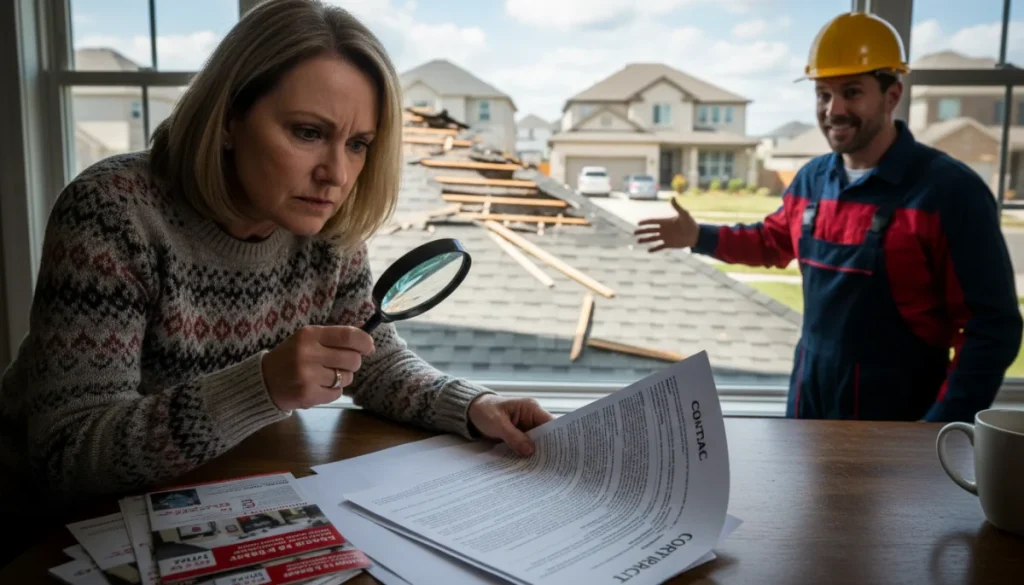
As homeowners, the need for repairs and renovations is an inevitable part of maintaining our most significant asset. However, this necessity often opens a door for unscrupulous individuals to prey on unsuspecting consumers. This comprehensive Scam Awareness: Recognizing Deceptive Practices in Home Repair Services – A 2026 Consumer Guide is designed to equip you with the knowledge and tools to identify, avoid, and report fraudulent activities, ensuring your home and finances remain secure in the evolving landscape of 2026.
Anúncios
Understanding the Landscape of Home Repair Scams in 2026
The world of home repair services, while largely populated by honest and skilled professionals, unfortunately also harbors a dark side where deceptive practices thrive. In 2026, scammers are more sophisticated than ever, leveraging technology and evolving their tactics to exploit vulnerabilities. Recognizing the current landscape is the first step toward protection.
These scams often target homeowners in distress, such as those affected by natural disasters, or the elderly who may be less familiar with modern fraudulent techniques. The schemes can range from minor overcharging to completely abandoning projects after receiving payment, leaving homeowners with unfinished work and significant financial losses. Awareness of these prevalent methods is paramount for safeguarding your property and peace of mind.
The Evolution of Scam Tactics
Scammers are constantly adapting. What worked five years ago might be less effective today, leading to new, more insidious approaches. Understanding this evolution is key.
Anúncios
- Digital Deception: Fraudulent contractors now frequently use fake online reviews, sophisticated websites, and social media ads to appear legitimate.
- AI-Generated Impersonations: The rise of AI makes it easier for scammers to create convincing fake identities or even mimic voices of reputable companies.
- Targeted Campaigns: Data mining allows scammers to identify potential victims based on demographics, recent property damage reports, or even online search history.
The core of these scams remains the exploitation of trust and urgency. They often promise quick fixes or unbelievably low prices, pressuring homeowners into immediate decisions without proper vetting. Always remember that a legitimate contractor will provide ample time for consideration and will be transparent about their credentials and process. Being informed about these evolving threats empowers you to make smarter, safer decisions for your home repair needs.
Common Red Flags: Identifying Deceptive Practices
Spotting a scam before it escalates is crucial. While scammers may employ various tactics, there are several universal red flags that should immediately raise suspicion. Paying close attention to these warning signs can save you from significant financial loss and undue stress.
These indicators are often subtle at first, but when combined, they paint a clear picture of potential fraud. Trust your instincts; if something feels off, it likely is. It’s always better to err on the side of caution when dealing with home repairs, as the consequences of a bad contractor can be severe.
Warning Signs to Watch For
Be vigilant about these specific behaviors and requests from potential contractors:
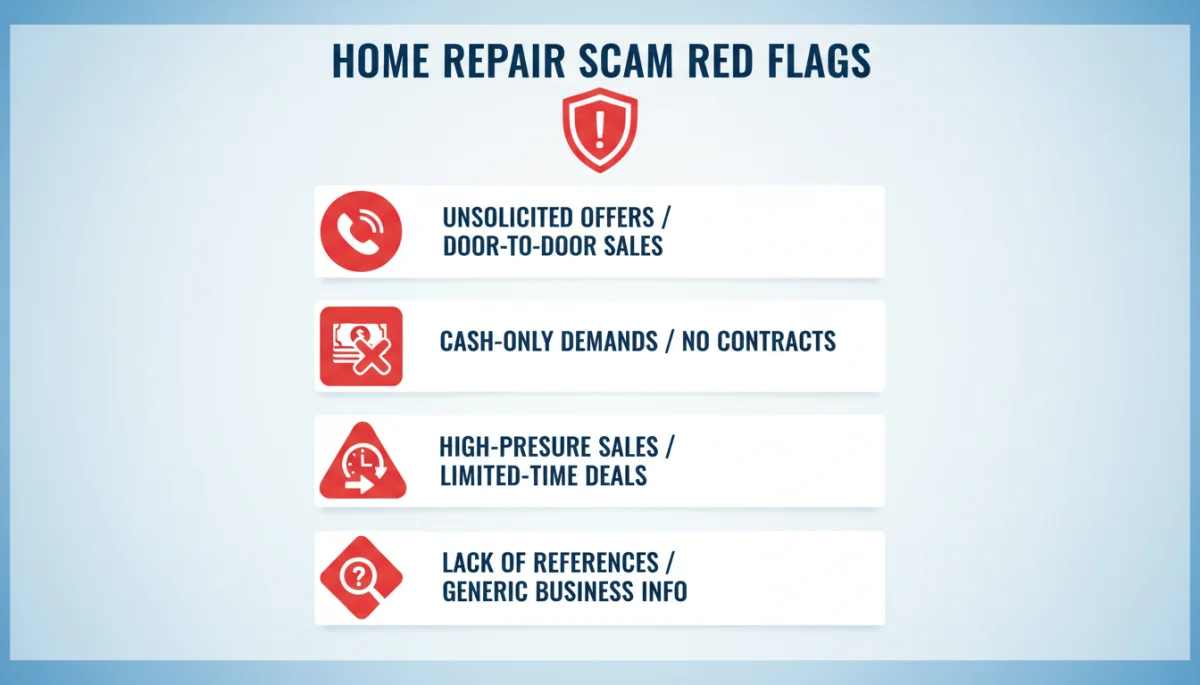
- Unsolicited Offers: Contractors who show up unannounced, especially after a storm, claiming to have noticed damage.
- High-Pressure Sales Tactics: Demanding immediate decisions, offering steep discounts for signing on the spot, or refusing to provide written estimates.
- Cash-Only Demands: Insisting on cash payments or requiring a large upfront deposit before any work begins.
- Lack of Credentials: Inability to provide proof of license, insurance, or references upon request.
- Vague Contracts: Contracts that lack specific details about the work to be done, materials, timelines, or payment schedules.
Another significant red flag is a contractor who offers to handle insurance claims directly or asks you to sign over your insurance check. This can be a tactic to inflate costs or perform substandard work. Always maintain control over your insurance claims and payments. Recognizing these red flags early is your best defense against falling victim to deceptive practices in home repair services.
Protecting Yourself: Vetting Contractors and Contracts
Proactive measures are your strongest defense against home repair scams. Thoroughly vetting contractors and meticulously reviewing contracts can prevent most fraudulent encounters. This process requires diligence but is an essential investment in your home’s safety and your financial security.
Never rush into an agreement, no matter how urgent the repair seems. Taking the time to properly research and verify a contractor’s legitimacy will pay dividends in the long run. Remember, a reputable professional will welcome your scrutiny and provide all necessary documentation without hesitation.
Always request multiple bids for any significant repair project. Comparing estimates not only helps you find a fair price but also gives you a better sense of what the work entails and industry standards. Be wary of estimates that are significantly lower or higher than others, as both can indicate potential issues.
Essential Vetting Steps
Follow these steps to ensure you’re hiring a trustworthy contractor:
- Verify Licenses and Insurance: Check with your state’s licensing board and ensure they have adequate liability and worker’s compensation insurance.
- Check References: Speak to past clients and inquire about their experience with the contractor’s professionalism, quality of work, and adherence to timelines.
- Read Reviews: Consult independent review sites (e.g., Better Business Bureau, Angie’s List, Yelp) but be cautious of overly positive or suspiciously generic reviews.
- Get Everything in Writing: Insist on a detailed, written contract outlining all aspects of the project, including start/end dates, materials, payment schedule, and warranty information.
When reviewing the contract, pay close attention to any clauses regarding change orders, dispute resolution, and lien waivers. Never sign a contract with blank spaces or one you don’t fully understand. If necessary, consult with a legal professional before committing. Thorough vetting and careful contract review are the cornerstones of successful and scam-free home repairs.
Payment Protocols: Secure Transactions and Avoiding Overpayment
How you handle payments with a contractor can significantly impact your vulnerability to scams. Fraudulent contractors often manipulate payment schedules and methods to their advantage, leaving homeowners exposed. Establishing clear, secure payment protocols is vital for your financial protection.
Never pay for the entire project upfront. This is a common tactic used by scammers who take the money and disappear without completing any work. A reasonable payment schedule typically involves an initial deposit (usually 10-30% of the total cost), followed by progress payments tied to completed milestones, and a final payment upon satisfactory completion of the entire project.
Smart Payment Strategies
Implement these strategies to ensure secure and fair payment practices:
- Avoid Cash Payments: Always pay by check, credit card, or electronic transfer, which leaves a verifiable paper trail.
- Staggered Payments: Link payments to specific, measurable stages of project completion. Never pay for work that hasn’t been done.
- Retain Final Payment: Hold back a significant portion (e.g., 10-15%) of the total cost until all work is completed to your satisfaction and all necessary inspections pass.
- Get Receipts: Demand detailed receipts for all payments made.
Be wary of contractors who request payment directly to an individual’s personal account rather than the company’s business account. This can be a sign of an illegitimate operation. Additionally, always get a lien waiver from the contractor and any subcontractors or suppliers after each payment, ensuring they have been paid and cannot place a lien on your property. Adhering to these payment protocols minimizes your risk and ensures you get the work you paid for.
Post-Repair Vigilance: What to Do After the Work is Done
Your vigilance shouldn’t end once the repair work is completed. Post-repair follow-up is essential to ensure the quality of the work, address any lingering issues, and protect your warranty rights. Many deceptive practices become apparent only after the contractor has left, making this final stage critical for consumer protection.
Thoroughly inspect all completed work, ideally with the contractor present. Compare the finished project against the contract’s specifications, paying close attention to materials used and craftsmanship. If anything seems amiss, document it immediately with photos and communicate your concerns in writing to the contractor.
Ensuring Long-Term Satisfaction
Take these steps to protect your investment post-repair:
- Final Inspection: Conduct a detailed walkthrough to confirm all work meets contract specifications and quality standards.
- Test Everything: Operate any newly installed systems or components to ensure they function correctly.
- Obtain Warranties: Collect all product and labor warranties in writing, understanding their terms and conditions.
- Final Payment Release: Only make the final payment once you are completely satisfied and have received all necessary documentation, including lien waivers from all parties.
Keep all project-related documents organized, including contracts, invoices, payment records, and communication logs. This documentation is invaluable if future disputes arise or if you need to file an insurance claim. Remaining vigilant after the repair protects your interests and ensures the longevity and quality of the work performed on your home.
Reporting Scams and Seeking Recourse
Despite your best efforts, you might still encounter a deceptive contractor. Knowing how to report scams and seek recourse is vital for protecting yourself and preventing others from falling victim. Taking action not only helps you potentially recover losses but also contributes to a safer marketplace for all consumers.
Do not hesitate to report fraudulent activities. Many consumers feel embarrassed or defeated, but reporting is a powerful step. The more information authorities have, the better equipped they are to investigate and prosecute these offenders. Your experience can serve as a warning to others and help strengthen consumer protection efforts.
Avenues for Reporting and Recourse
If you suspect you’ve been scammed, consider these reporting and recourse options:
- State Licensing Board: Report unlicensed contractors or complaints against licensed ones to your state’s contractor licensing board.
- Consumer Protection Agencies: File a complaint with your state’s Attorney General’s office or local consumer protection division.
- Better Business Bureau (BBB): File a complaint with the BBB, which can help mediate disputes and serves as a public record of contractor reliability.
- Federal Trade Commission (FTC): Report general fraud to the FTC, which tracks scam trends and shares information with law enforcement.
- Legal Action: Consult with an attorney to explore legal options, especially for significant financial losses.
Gather all relevant documentation, including contracts, emails, text messages, photos, and payment records, before filing a report. This evidence will strengthen your case. Remember, seeking recourse can be a lengthy process, but persistence is key. By reporting scams, you play an active role in deterring future deceptive practices in home repair services and protecting your community.
| Key Protection Area | Brief Description |
|---|---|
| Recognize Red Flags | Identify common scam tactics like unsolicited offers or high-pressure sales to avoid initial engagement. |
| Vetting Contractors | Verify licenses, insurance, references, and reviews to ensure contractor legitimacy. |
| Secure Payments | Use traceable methods, stagger payments, and avoid large upfront cash deposits. |
| Post-Repair Vigilance | Conduct thorough inspections, obtain warranties, and keep all project documentation. |
Frequently Asked Questions About Home Repair Scams
Common signs include unsolicited offers, high-pressure sales tactics, demands for full cash payment upfront, vague contracts, and a contractor’s inability to provide proof of license or insurance. Always be suspicious of deals that seem too good to be true.
To verify legitimacy, check their license with your state’s licensing board, confirm their insurance, review their standing with the Better Business Bureau, and ask for multiple references. A legitimate contractor will gladly provide this information.
A comprehensive contract should detail the scope of work, materials to be used, start and completion dates, payment schedule, warranty information, and dispute resolution clauses. Never sign a contract with blank spaces or unclear terms.
Paying a large deposit, especially over 30% or the full amount, is generally not safe. Reputable contractors typically ask for a reasonable down payment, with subsequent payments tied to completed project milestones. Avoid cash-only demands for large sums.
Report scams to your state’s contractor licensing board, your state’s Attorney General, the Better Business Bureau, and the Federal Trade Commission (FTC). Gathering all documentation will strengthen your report and aid investigations.
Conclusion
Navigating home repair services in 2026 requires a proactive and informed approach. This guide on Scam Awareness: Recognizing Deceptive Practices in Home Repair Services – A 2026 Consumer Guide has highlighted the critical importance of vigilance, thorough vetting, and secure payment practices. By understanding common red flags, protecting yourself through diligent research and careful contract review, and knowing how to respond if a scam occurs, you empower yourself to make safe and sound decisions for your home. Remember, your home is a significant investment, and protecting it from fraudulent practices is paramount to your financial well-being and peace of mind.
