Federal Grants for Renewable Energy in 2026: Up to $5M
Anúncios
The U.S. government is offering significant federal renewable energy grants in 2026, with up to $5 million available per project, aiming to accelerate sustainable initiatives nationwide.
Are you ready to transform the future of energy in the United States? The opportunity to secure significant funding for sustainable initiatives is here. In 2026, the federal government is making substantial investments, with
Anúncios
Understanding the Landscape of Federal Renewable Energy Grants in 2026
The year 2026 marks a pivotal moment for renewable energy development in the United States. Federal agencies are channeling unprecedented resources into projects that promise to deliver sustainable, clean energy solutions. This strategic investment reflects a national commitment to reducing carbon emissions, fostering energy independence, and creating green jobs across various sectors.
These grants are not merely financial handouts; they are strategic partnerships designed to propel the nation towards a cleaner energy future. Understanding the scope and intent behind these funding opportunities is the first step for any organization or individual looking to make a significant impact.
Key Federal Agencies and Their Focus
Several government bodies are at the forefront of distributing these grants, each with specific areas of focus. Knowing which agency aligns with your project’s goals can significantly streamline your application process.
Anúncios
- Department of Energy (DOE): Often the largest grantor, the DOE focuses on research, development, and deployment of advanced energy technologies, including solar, wind, geothermal, and hydrogen.
- Environmental Protection Agency (EPA): The EPA targets projects that reduce pollution and protect public health, often supporting renewable energy installations that replace fossil fuel sources in communities.
- Department of Agriculture (USDA): For rural communities and agricultural operations, the USDA offers grants for renewable energy systems, energy efficiency improvements, and bioenergy production.
- Department of Commerce (DOC): The DOC supports projects that foster economic development through innovation and technology, including the commercialization of new renewable energy solutions.
Each agency typically has its own set of criteria, priorities, and application timelines. Therefore, thorough research into each agency’s specific programs is essential before embarking on the application journey.
The federal government’s commitment to renewable energy in 2026 is robust, offering diverse funding avenues. Identifying the right agency and understanding its specific objectives will be crucial for prospective applicants aiming to secure these valuable grants.
Eligibility Requirements and Application Pathways
Securing a federal renewable energy grant requires a clear understanding of eligibility criteria and the various application pathways available. These grants are highly competitive, and meeting the specific requirements is paramount for a successful submission. The federal government aims to fund projects that are not only innovative but also demonstrate strong potential for impact and scalability.
Eligibility can vary significantly depending on the specific grant program and the issuing agency. However, common themes often include project readiness, financial viability, environmental impact, and alignment with national energy goals.
General Eligibility Criteria to Consider
While each grant has unique stipulations, several general criteria are frequently encountered:
- Entity Type: Grants are often open to state and local governments, non-profit organizations, educational institutions, private businesses, and sometimes even individuals.
- Project Location: Many grants specify that projects must be located within the United States or its territories.
- Technical Merit: Proposals must demonstrate a sound technical approach, clear objectives, and a well-defined methodology for achieving those objectives.
- Financial Capacity: Applicants often need to show that they have the financial capacity to manage the project, including any required matching funds or co-financing.
- Environmental Benefits: Projects that offer significant environmental benefits, such as greenhouse gas reduction or improved air quality, are typically prioritized.
Understanding these foundational requirements will help applicants filter through the myriad of opportunities and identify those best suited for their projects.
Navigating the Application Process
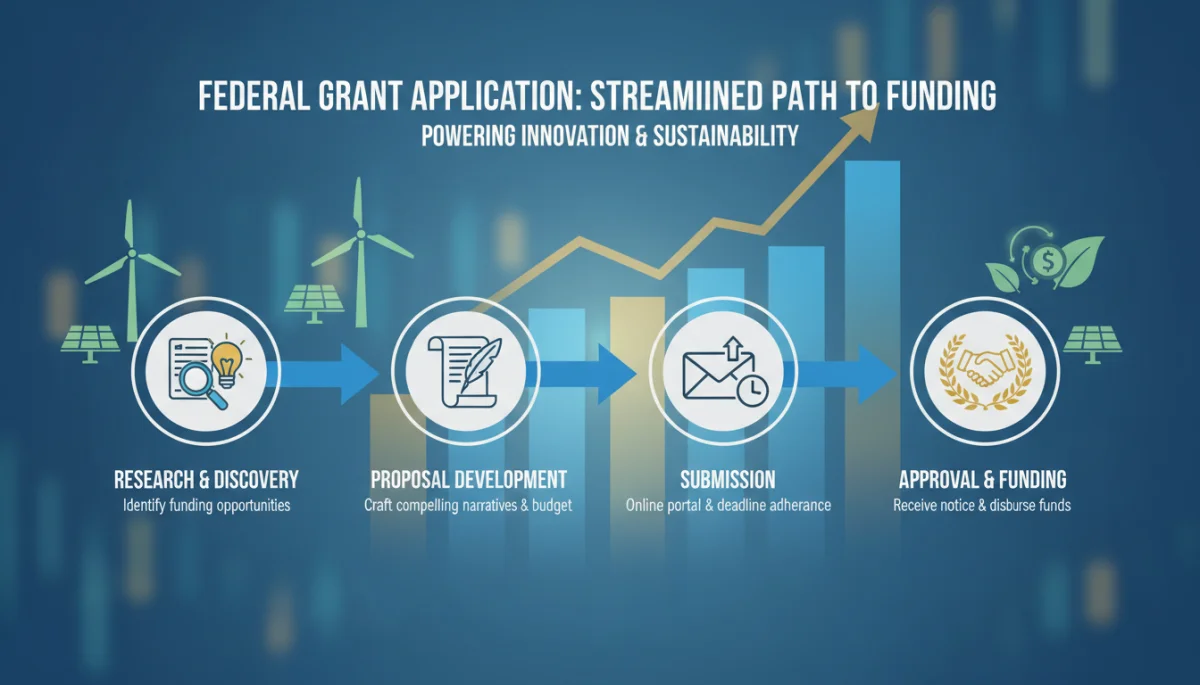
The application process for federal grants can be complex and time-consuming, requiring meticulous attention to detail. Most federal grant applications are submitted through Grants.gov, a centralized platform for all federal funding opportunities. Applicants must first register their organization and obtain a DUNS number and SAM (System for Award Management) registration.
Once registered, the process typically involves:
- Finding Opportunities: Regularly searching Grants.gov for relevant grant notices.
- Reading the FOA/RFP: Thoroughly reviewing the Funding Opportunity Announcement (FOA) or Request for Proposals (RFP) for specific instructions, deadlines, and requirements.
- Proposal Development: Crafting a comprehensive proposal that addresses all elements outlined in the FOA, including project narrative, budget, work plan, and team qualifications.
- Budget Justification: Providing a detailed and well-justified budget that aligns with project activities and demonstrates cost-effectiveness.
- Submission: Submitting the complete application package through Grants.gov before the deadline.
Early preparation and careful adherence to all guidelines are critical for maximizing the chances of success. Many organizations find it beneficial to engage grant writing professionals or consultants who specialize in federal applications.
Successful navigation of the eligibility criteria and application pathways is key to unlocking federal renewable energy grants. By diligently preparing and understanding the requirements, applicants can significantly improve their prospects of securing funding for their sustainable initiatives.
Maximizing Your Project’s Potential for Up to $5 Million in Funding
To secure a substantial federal renewable energy grant, particularly those offering up to $5 million, your project needs to stand out. It’s not enough to simply meet the minimum requirements; you must demonstrate exceptional value, innovation, and a clear path to successful implementation and impact. Agencies look for projects that offer significant returns on investment, both environmentally and economically.
Strategic planning and a compelling narrative are essential. Your proposal should not only outline what you plan to do but also why it matters, how it will be achieved, and the lasting benefits it will bring. This holistic approach is what often distinguishes successful applications from the rest.
Crafting a Compelling Proposal
A strong proposal is the cornerstone of any successful grant application. It must be clear, concise, persuasive, and meticulously organized. Think of your proposal as a business case for your project, designed to convince reviewers of its merit and feasibility.
- Clear Objectives: Define specific, measurable, achievable, relevant, and time-bound (SMART) objectives.
- Innovative Solutions: Highlight how your project offers new or improved approaches to renewable energy challenges.
- Scalability and Replicability: Emphasize the potential for your project to be scaled up or replicated in other communities or regions.
- Community Impact: Detail how the project will benefit local communities, including job creation, energy cost savings, or improved public health.
- Robust Evaluation Plan: Include a clear plan for monitoring and evaluating project progress and outcomes.
Reviewers often have limited time, so making your proposal easy to understand and highlighting key information is crucial. Use visuals, such as charts and graphs, where appropriate to convey complex data simply.
Demonstrating Financial Viability and Sustainability
Beyond the technical aspects, federal agencies rigorously assess the financial viability and long-term sustainability of proposed projects. A project that requires continuous grant funding without a clear path to self-sufficiency is less likely to be funded.
- Detailed Budget: Provide a comprehensive budget that clearly itemizes all costs and aligns directly with project activities.
- Cost-Benefit Analysis: Present a strong case for the economic benefits of your project, including energy savings, job creation, and economic development.
- Matching Funds: Highlight any matching funds or in-kind contributions from other sources, which often demonstrate strong community or stakeholder support.
- Long-Term Sustainability Plan: Outline how the project will be sustained after the grant period ends, including operational plans, revenue streams, or continued community support.
A well-structured financial plan reassures grantors that their investment will yield lasting results. Proving that your project can be self-sustaining or attract future investment significantly strengthens your application for up to $5 million in federal funding.
Key Renewable Energy Sectors Targeted for 2026 Funding
The federal government’s investment strategy for 2026 is broad, encompassing a variety of renewable energy sectors. However, certain areas are receiving particular emphasis due to their potential for rapid deployment, significant environmental impact, or technological advancement. Understanding these priority sectors can help project developers align their proposals with national objectives, thereby increasing their chances of securing funding.
The focus is not just on traditional renewable sources but also on emerging technologies and infrastructure improvements that support a cleaner energy grid. This multi-faceted approach aims to create a resilient and sustainable energy future for the nation.
Prioritized Renewable Energy Technologies
Several technologies are at the forefront of federal funding initiatives for 2026, reflecting both established efficacy and future potential:
- Advanced Solar Technologies: Beyond traditional photovoltaics, funding is available for concentrating solar power (CSP), innovative solar thermal systems, and integrated solar solutions for buildings.
- Offshore Wind Energy: With vast untapped potential, offshore wind projects are a major focus, including turbine development, transmission infrastructure, and environmental impact studies.
- Geothermal Energy: Projects exploring enhanced geothermal systems (EGS) and direct-use geothermal applications are gaining traction due to their baseload power capabilities.
- Hydrogen Production and Fuel Cells: Significant investment is directed towards clean hydrogen production (green hydrogen), storage, and fuel cell technologies for transportation and industrial applications.
- Grid Modernization and Energy Storage: While not strictly renewable generation, these are critical enablers. Projects improving grid resilience, integrating renewables, and developing advanced battery storage solutions are highly sought after.
Projects that combine multiple renewable energy sources or integrate them with smart grid technologies often present a more compelling case, showcasing a holistic approach to energy solutions.
Focus on Underserved Communities and Energy Justice
A significant aspect of the 2026 federal grant programs is an emphasis on energy justice and equitable access to clean energy. This means that projects benefiting underserved communities, low-income areas, and tribal lands are often prioritized.
- Community Solar Initiatives: Programs supporting community-owned solar projects that provide affordable clean energy to multiple households.
- Rural Energy for America Program (REAP): USDA grants for renewable energy systems and energy efficiency improvements for rural small businesses and agricultural producers.
- Workforce Development: Projects that include training and job creation components for local residents in clean energy sectors, particularly in areas transitioning away from fossil fuel industries.
- Resilience Projects: Funding for renewable energy systems that enhance energy independence and resilience in communities vulnerable to extreme weather events or grid disruptions.
Proposals that clearly articulate how they will address energy disparities and provide tangible benefits to vulnerable populations will be highly competitive. Aligning with these social objectives alongside technological innovation can significantly enhance a project’s appeal for federal funding.
The Economic and Environmental Impact of Federal Renewable Energy Investments
The federal government’s substantial investment in renewable energy projects for 2026, particularly through grants up to $5 million, is poised to generate far-reaching economic and environmental benefits across the United States. These aren’t just isolated projects; they are catalysts for a broader transformation, fostering innovation, creating jobs, and significantly contributing to national climate goals.
The ripple effect of these grants extends beyond the direct recipients, stimulating local economies, enhancing energy security, and positioning the U.S. as a leader in global sustainable development. It’s an investment in both our planet and our prosperity.
Driving Economic Growth and Job Creation
Renewable energy projects are powerful engines for economic growth. The infusion of federal funds directly supports the creation of new jobs across various skill levels and industries.
- Direct Employment: Jobs in manufacturing, installation, operation, and maintenance of renewable energy systems (e.g., solar panel technicians, wind turbine engineers).
- Indirect Employment: Jobs created in supporting industries, such as component suppliers, logistics, and professional services (e.g., legal, consulting, financial).
- Induced Employment: Jobs generated from the increased spending power of those directly and indirectly employed in the renewable energy sector.
- Local Economic Stimulation: Property tax revenues, land lease payments, and increased local spending contribute to the economic vitality of host communities.
Furthermore, these investments foster innovation, leading to the development of new technologies and industries that can be exported globally, further boosting the U.S. economy. The focus on domestic manufacturing and supply chains also strengthens national economic resilience.
Significant Environmental Benefits
Beyond economic advantages, the primary driver for these grants is the profound positive impact on the environment. Shifting towards renewable energy is critical for mitigating climate change and improving public health.
- Greenhouse Gas Reduction: Replacing fossil fuel-based electricity generation with renewables directly reduces carbon dioxide and other greenhouse gas emissions, helping to meet national and international climate targets.
- Improved Air Quality: Less reliance on burning fossil fuels means fewer pollutants released into the atmosphere, leading to lower rates of respiratory illnesses and other health problems, particularly in urban areas.
- Water Conservation: Many renewable energy technologies, such as solar PV and wind, require significantly less water than traditional power plants for cooling and operation.
- Resource Protection: Decreased demand for finite fossil fuels helps conserve natural resources and reduces the environmental impact associated with their extraction and transportation.
These environmental benefits contribute to a healthier planet and more sustainable communities for future generations. The federal grants are a strategic tool in achieving a cleaner, more sustainable energy landscape for the entire nation.
Future Trends and Opportunities Beyond 2026
While the immediate focus is on securing federal renewable energy grants in 2026, it’s crucial for stakeholders to look beyond the current funding cycle. The landscape of clean energy is dynamic, constantly evolving with new technological advancements, policy shifts, and emerging market demands. Understanding these future trends can help organizations strategically position themselves for sustained success and continued access to funding opportunities in the years to come.
The momentum generated by current federal investments is expected to carry forward, with an increasing emphasis on innovation, integration, and global competitiveness in the renewable energy sector.
Emerging Technologies and Research Priorities
The renewable energy sector is a hotbed of innovation. Beyond the currently dominant solar and wind technologies, several emerging areas are likely to attract significant future investment and grant opportunities:
- Advanced Geothermal: Development of enhanced geothermal systems (EGS) that can extract heat from deeper, hotter rocks, expanding geothermal potential across more regions.
- Perovskite Solar Cells: Next-generation solar cell technology offering high efficiency and lower manufacturing costs, potentially revolutionizing solar power.
- Ocean Energy: Harnessing wave, tidal, and ocean thermal energy, particularly for coastal communities and island nations.
- Carbon Capture, Utilization, and Storage (CCUS): While not strictly renewable, CCUS technologies are increasingly seen as critical for decarbonizing hard-to-abate industrial sectors when integrated with renewable energy.
- AI and Machine Learning in Energy Management: Using artificial intelligence to optimize grid operations, predict energy demand, and enhance the efficiency of renewable energy systems.
Organizations engaged in research and development in these cutting-edge fields should proactively seek partnerships and prepare for future grant solicitations targeting these areas.
Policy Shifts and Market Dynamics
Government policies and market forces play a significant role in shaping funding priorities. Future trends suggest a continued push towards decarbonization and energy independence, which will likely translate into ongoing support for renewables.
- Long-Term Climate Goals: Federal and state commitments to net-zero emissions will drive sustained investment in clean energy infrastructure and technologies.
- Distributed Energy Resources (DERs): Increased focus on localized energy generation, storage, and microgrids to enhance grid resilience and consumer choice.
- International Collaboration: Growing opportunities for cross-border projects and research initiatives as nations collaborate on global climate solutions.
- Green Hydrogen Economy: Continued development of a robust green hydrogen supply chain, from production to end-use applications in industry and transportation.
Staying informed about legislative developments, international agreements, and market trends will be crucial for identifying and capitalizing on future grant opportunities. Proactive engagement with industry associations and policy makers can also provide valuable insights into upcoming funding priorities beyond 2026.
| Key Aspect | Brief Description |
|---|---|
| Funding Opportunity | Federal grants up to $5 million for renewable energy projects in 2026. |
| Eligibility | Varies by agency (DOE, EPA, USDA), includes governments, non-profits, businesses. |
| Key Sectors | Solar, wind, geothermal, hydrogen, grid modernization, energy storage. |
| Application Tip | Craft compelling proposals, demonstrate financial viability, focus on community impact. |
Frequently Asked Questions About Renewable Energy Grants
Eligibility typically extends to state and local governments, non-profit organizations, educational institutions, private businesses, and sometimes individuals. Specific requirements vary by the granting agency and the particular program, so always consult the detailed Funding Opportunity Announcement (FOA).
Prioritized projects often include advanced solar, offshore wind, geothermal, hydrogen production, and grid modernization. There’s also a strong emphasis on projects benefiting underserved communities, demonstrating significant environmental benefits, and offering innovative, scalable solutions.
The primary resource for finding federal grant opportunities is Grants.gov. You should also regularly check the websites of key agencies like the Department of Energy (DOE), Environmental Protection Agency (EPA), and Department of Agriculture (USDA) for specific program announcements.
The timeline varies considerably. Application periods can range from a few weeks to several months. The review and award process can then take anywhere from 3 to 12 months, or even longer for complex programs. It’s crucial to start preparing well in advance of deadlines.
Many federal grant programs, especially those for larger amounts, do require some form of matching funds or cost-sharing. This can be in cash or in-kind contributions. The specific percentage or type of match will be detailed in each grant’s Funding Opportunity Announcement (FOA).
Conclusion
The availability of federal grants for renewable energy projects in 2026, offering up to $5 million, represents a monumental opportunity for advancing sustainable initiatives across the United States. These funds are more than just financial aid; they are a strategic investment in the nation’s energy independence, economic growth, and environmental health. By understanding the eligibility criteria, meticulously crafting compelling proposals, and aligning projects with federal priorities in key sectors, applicants can significantly increase their chances of securing this vital funding. The impact of these investments will resonate for decades, driving innovation, creating jobs, and ensuring a cleaner, more resilient energy future for all Americans.
