CPSC Alert: 3 Defective Home Products Causing Injuries in 2026
Anúncios
The CPSC has issued a critical alert regarding three specific defective home products that are causing injuries across the United States in 2026, urging immediate consumer awareness and action.
Anúncios
In 2026, the safety of our homes is paramount, yet recent warnings highlight significant risks. The Consumer Product Safety Commission (CPSC) has issued a vital alert concerning three specific defective home products that have been linked to a distressing number of injuries across the United States. Understanding these hazards is the first step in safeguarding your family and preventing further incidents.
Understanding the CPSC’s Role in Product Safety
The CPSC plays a critical role in ensuring the safety of consumer products sold in the United States. Established to protect the public from unreasonable risks of injury or death associated with consumer products, the agency sets standards, issues recalls, and provides essential information to consumers. Their alerts are not to be taken lightly, as they are based on thorough investigations and reported incidents.
When the CPSC issues an alert, it signifies a serious concern about a product’s safety. These alerts are often the result of consumer complaints, manufacturer reports, or direct investigations by the agency. The goal is always to inform the public quickly and effectively, preventing further harm. This proactive approach helps to remove dangerous items from the market and educates consumers on how to identify and avoid potential hazards.
Anúncios
How the CPSC Identifies Hazards
The process of identifying hazardous products is multifaceted. It involves:
- Consumer Reports: Individuals who experience issues with products often report them directly to the CPSC.
- Manufacturer Notifications: Companies are legally obligated to report product defects that could pose a risk.
- Market Surveillance: The CPSC actively monitors the market for potentially dangerous products.
- Scientific Testing: Products undergo rigorous testing to determine their safety and compliance with standards.
These combined efforts create a robust system designed to catch defects before they cause widespread injury. However, no system is infallible, which is why consumer vigilance remains a crucial layer of protection.
In conclusion, the CPSC acts as a vital guardian of consumer safety, continuously working to identify and address product hazards. Their alerts are a direct call to action for consumers to stay informed and protect themselves and their loved ones from potential dangers lurking in everyday household items.
The First Defective Product: High-Risk Electric Kettles
Electric kettles have become a staple in many American homes, offering convenience and speed for boiling water. However, a specific line of electric kettles has been identified as highly defective, posing significant risks of burns and fire. These kettles, manufactured by ‘BoilFast Inc.’ and sold under various brand names, have been linked to numerous incidents of overheating, electrical shorts, and even small fires, leading to severe injuries.
The design flaw appears to be in the heating element and thermostat mechanism. Instead of automatically shutting off when water boils or the kettle runs dry, these units can continue to heat, causing the plastic casing to melt, wires to short, and in some cases, ignite nearby flammable materials. Consumers have reported second-degree burns from exploding steam and fire damage to kitchen countertops.
Identifying the Hazardous Kettles
Consumers should look for specific identifiers to determine if their kettle is part of the recalled batch. These include:
- Model Numbers: Check for models starting with ‘BFI-202X’ or ‘AquaHeat-Pro.’
- Manufacturing Dates: Kettles produced between January 2024 and June 2025 are primarily affected.
- Brand Names: While ‘BoilFast Inc.’ is the manufacturer, these kettles were private-labeled for several retailers, so checking the CPSC website for a complete list is crucial.
If you own one of these kettles, stop using it immediately. The CPSC advises unplugging it and contacting the retailer or manufacturer for a refund or replacement. Do not attempt to repair the kettle yourself, as this could exacerbate the hazard.
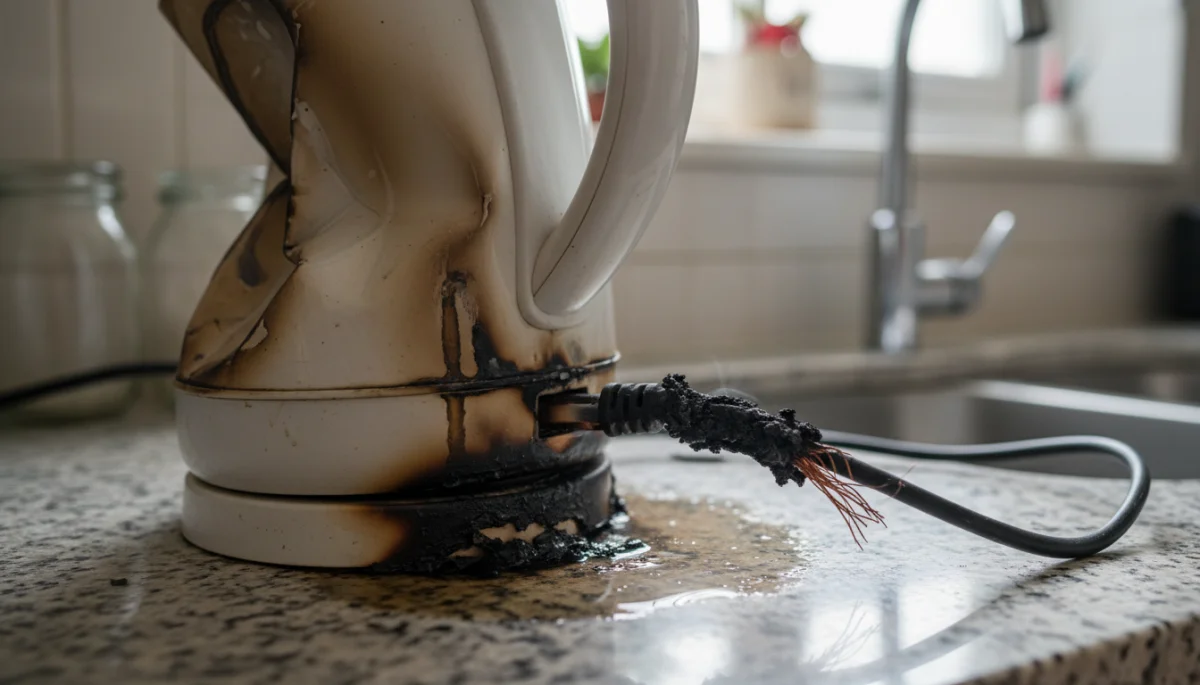
The prevalence of these defective kettles underscores the importance of regularly checking product safety alerts. Even seemingly innocuous appliances can harbor dangerous defects, turning everyday convenience into a serious threat. Stay informed to keep your kitchen safe.
The Second Defective Product: Unstable Children’s Dressers
Children’s dressers are a common fixture in nurseries and bedrooms, but a particular design has been identified as dangerously unstable, leading to tip-over incidents that have caused severe injuries to children. These dressers, produced by ‘TinyTots Furniture Co.’, fail to meet voluntary stability standards, making them highly susceptible to tipping when children climb on or open multiple drawers.
The inherent instability of these dressers poses a grave threat to young children, who are naturally curious and often use furniture as a means to explore their surroundings. Several tragic incidents have been reported, involving children being crushed or trapped under the fallen furniture, resulting in head injuries, fractures, and even fatalities. The design flaw is primarily due to inadequate weight distribution and insufficient anti-tip restraints provided with the product.
Protecting Children from Tip-Over Hazards
Parents and caregivers must take immediate action if they own one of these dressers. The CPSC recommends:
- Anchoring Furniture: Always use anti-tip kits to secure dressers and other heavy furniture to the wall.
- Avoiding Drawer Climbing: Educate children about the dangers of climbing on furniture.
- Removing Temptations: Keep attractive items like toys and remote controls off the top of dressers to discourage climbing.
The affected dressers can be identified by their model numbers, typically found on a label on the back panel or inside a drawer. The CPSC has provided a list of specific models and manufacturing dates on their website. If your dresser is identified as hazardous, contact TinyTots Furniture Co. for a free repair kit or a refund. Ensuring the stability of furniture is crucial for creating a safe environment for children.
The Third Defective Product: Exploding Lithium-Ion Battery Packs
Lithium-ion batteries power countless devices in our homes, from cordless vacuum cleaners to power tools. However, a batch of third-party replacement battery packs, marketed for popular household appliances, has been found to be dangerously defective, presenting a significant risk of fire and explosion. These generic battery packs, often sold online through various marketplaces, lack the rigorous safety testing and quality control of original manufacturer batteries.
The defect stems from poor manufacturing processes and inferior cell quality, which can lead to thermal runaway. When this occurs, the battery can overheat rapidly, vent flammable gases, and potentially explode, causing severe burns, property damage, and even house fires. Consumers have reported incidents involving these battery packs igniting while charging, during use, or even when stored.
Identifying and Handling Hazardous Battery Packs
Distinguishing these dangerous generic battery packs from legitimate ones can be challenging, but there are key indicators to look for:
- Unusually Low Price: If the price seems too good to be true, it likely is.
- Generic Packaging: Lack of proper branding, safety warnings, or official certifications.
- Poor Fit: The battery may not fit perfectly into the device it’s intended for.
- Overheating: The battery or device becomes unusually hot during charging or use.
If you suspect you have a defective lithium-ion battery pack, stop using it immediately. Do not attempt to charge or dispose of it in regular household trash. The CPSC advises contacting your local recycling center for proper disposal instructions for hazardous materials. Always opt for genuine, manufacturer-approved replacement batteries to ensure safety and performance. This issue highlights the hidden dangers of counterfeit or low-quality electronic components.
Impact of Defective Products on Consumer Trust and Safety
The continuous emergence of defective home products has a profound impact beyond immediate physical injuries; it erodes consumer trust and raises significant questions about product oversight and corporate responsibility. When products designed to simplify or enhance daily life instead become sources of danger, the psychological effect on consumers can be long-lasting. People become more hesitant about new purchases, constantly questioning the safety claims of manufacturers.
This erosion of trust extends to retailers and online marketplaces, which often serve as the primary channels for these hazardous goods. Consumers expect these platforms to vet products thoroughly, yet the sheer volume of items makes this a monumental task. The CPSC’s alerts, while crucial for public safety, also serve as a stark reminder that consumers must remain vigilant and informed, taking personal responsibility for researching product safety before purchase.
Strengthening Consumer Protection
Addressing the issue of defective products requires a multi-pronged approach:
- Enhanced Regulations: Stricter manufacturing standards and more frequent inspections.
- Increased Accountability: Harsher penalties for companies that knowingly sell unsafe products.
- Public Awareness Campaigns: Educating consumers on how to identify and report hazards.
- Improved Recall Procedures: Making it easier for consumers to participate in recalls and receive remedies.
Ultimately, a collaborative effort between government agencies, manufacturers, retailers, and consumers is essential to build a safer product landscape. The goal is not just to react to hazards but to prevent them from ever reaching the market, fostering an environment where consumers can shop with confidence, knowing their safety is prioritized. Rebuilding trust in the wake of such alerts is a long and challenging process that demands consistent effort from all stakeholders.
Preventative Measures and What to Do if Injured
Preventing injuries from defective home products starts with awareness and proactive measures. It’s not enough to simply react to recalls; consumers need to integrate safety checks into their purchasing habits and household routines. This involves being discerning about where products are purchased, prioritizing reputable brands, and staying informed about product safety news.
Before making a purchase, especially for items that will be used frequently or by children, it is advisable to check for CPSC safety ratings and read product reviews. Pay attention to any recurring complaints about durability or safety issues. Once a product is in your home, follow all manufacturer instructions for assembly, use, and maintenance, as improper use can sometimes exacerbate inherent defects.
Steps to Take if You Suspect a Defective Product
If you suspect a product in your home is defective, or if you or a family member has been injured, immediate action is crucial:
- Stop Using the Product: Discontinue use immediately to prevent further harm.
- Document Everything: Take photos or videos of the product, any damage it caused, and any injuries sustained.
- Preserve the Product: Do not discard or attempt to repair the item, as it may be needed for investigation.
- Report to CPSC: File a report with the Consumer Product Safety Commission at SaferProducts.gov.
- Seek Medical Attention: If injured, prioritize medical treatment and keep detailed records.
- Contact a Legal Professional: Consider consulting with an attorney specializing in product liability to understand your rights.
Taking these steps not only protects you but also contributes to the broader effort of product safety by providing critical data to regulatory bodies. Your report can help prevent others from experiencing similar harm, reinforcing the collective responsibility in maintaining a safe consumer environment.
| Key Hazard | Brief Description |
|---|---|
| Electric Kettles | Overheating and fire risk due to faulty heating elements. |
| Children’s Dressers | Unstable design causing tip-over injuries to children. |
| Lithium-Ion Battery Packs | Risk of fire and explosion from generic, low-quality replacements. |
| CPSC Alerts | Crucial for consumer awareness and preventing severe injuries. |
Frequently Asked Questions About Product Hazards
The Consumer Product Safety Commission (CPSC) is a U.S. federal agency responsible for protecting the public from unreasonable risks of injury or death associated with consumer products. They achieve this through recalls, setting safety standards, and providing consumer information to prevent product-related incidents.
You can check for product recalls and safety alerts directly on the CPSC website, SaferProducts.gov. This site provides a comprehensive database of recalled items, safety warnings, and instructions on how to proceed if you own a hazardous product. Regular checks are recommended.
If you identify a defective product, stop using it immediately. Follow the specific instructions provided in the CPSC alert or recall notice, which usually involve contacting the manufacturer or retailer for a refund, repair, or replacement. Do not attempt to fix it yourself.
Not always, but caution is advised. Generic or third-party parts, especially lithium-ion batteries, may not undergo the same stringent safety testing as original manufacturer parts. It’s best to prioritize genuine parts or reputable aftermarket brands that clearly state compliance with safety standards to avoid potential hazards.
If you’re injured by a defective product, you may have grounds for a product liability claim. It’s advisable to document all injuries and damages, preserve the product, and consult with a personal injury attorney specializing in product liability. They can guide you through the legal process and help you understand your rights.
Conclusion
The CPSC’s recent alert regarding three specific defective home products—electric kettles, children’s dressers, and lithium-ion battery packs—serves as a critical reminder of the ongoing need for consumer vigilance. These hazards, capable of causing severe injuries and even fatalities, underscore the importance of staying informed and taking proactive safety measures. By understanding the risks, identifying dangerous products, and knowing the appropriate steps to take, consumers can significantly reduce the potential for harm within their homes. Prioritizing safety through informed choices and immediate action is paramount in protecting families from unforeseen dangers.
