Consumer Action: Report Online Advertising Frauds to FTC in 2026

Anúncios
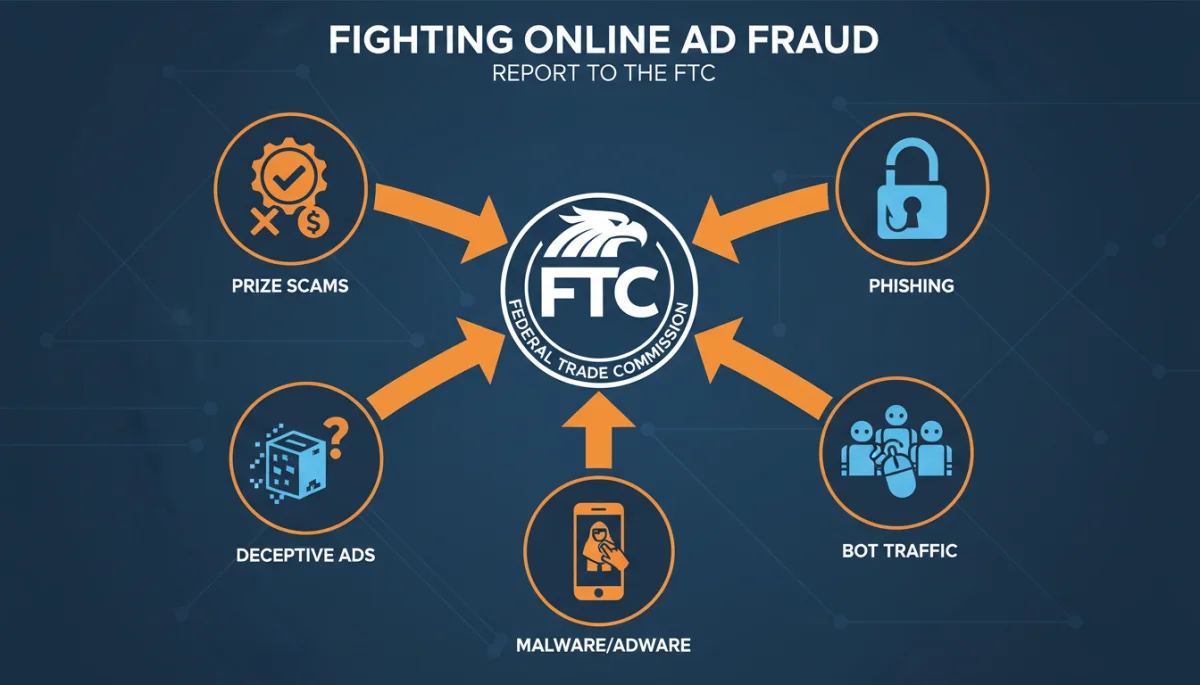
The FTC is the primary agency for reporting online advertising frauds, crucial for consumer protection against deceptive digital practices and emerging scams.
Anúncios
In an increasingly digital world, understanding how to take consumer action: report these 5 common online advertising frauds to the FTC in 2026 is more critical than ever. Online advertising, while a powerful tool, is also a breeding ground for deceptive practices. This guide empowers you to recognize and act against these prevalent scams, safeguarding your finances and personal information.
Understanding the evolving landscape of online advertising fraud
The digital advertising ecosystem is constantly changing, bringing new opportunities for businesses and, unfortunately, for fraudsters. In 2026, online advertising fraud has become more sophisticated, leveraging advanced technologies to deceive consumers. These scams aren’t just annoying; they can lead to significant financial loss and identity theft, making consumer vigilance and proactive reporting essential.
Fraudsters exploit various platforms, from social media to search engines, creating convincing but fake advertisements. They often mimic legitimate brands or offer deals that seem too good to be true. Recognizing these red flags is the first step in protecting yourself and contributing to a safer online environment for everyone.
Anúncios
The rise of AI-powered deceptive ads
One notable trend in 2026 is the use of artificial intelligence to generate highly personalized and convincing deceptive advertisements. These AI-powered ads can adapt to your browsing history and personal data, making them incredibly effective at targeting vulnerable individuals.
- Deepfake endorsements: AI is used to create fake celebrity endorsements for products or services that don’t exist or are fraudulent.
- Personalized phishing: Ads designed to look like legitimate communications from banks or service providers, customized with your details.
- Dynamic scam offers: Advertisements that change content based on user interaction to maximize engagement and deception.
Staying informed about these technological advancements in fraud is crucial. The more you know about how these scams operate, the better equipped you will be to identify them and prevent falling victim to their traps. Always question unexpected offers or requests for personal information.
The Federal Trade Commission (FTC) plays a pivotal role in combating these frauds. By reporting suspicious activities, consumers provide vital intelligence that helps the FTC investigate and prosecute offenders, ultimately protecting the wider public. Your individual action contributes significantly to collective online safety.
Misleading subscription traps and free trial scams
One of the most insidious online advertising frauds today involves misleading subscription traps and free trial scams. These schemes often lure consumers with offers of a ‘free’ product or service, only to ensnare them in recurring charges that are difficult to cancel. The fine print, if present at all, is often obscured or intentionally confusing, designed to prevent consumers from understanding the true terms.
These scams frequently pop up as advertisements on social media feeds, promising miraculous weight loss products, beauty samples, or exclusive online content. Consumers sign up, often providing their credit card details for a nominal shipping fee, only to find themselves billed exorbitant amounts monthly for subscriptions they never intended to purchase.
Recognizing the hallmarks of subscription traps
Identifying these traps requires a keen eye for detail and a healthy dose of skepticism. Fraudsters are adept at making their offers appear legitimate, often using professional-looking websites and compelling testimonials.
- Unclear terms and conditions: The terms for cancellation or recurring charges are hard to find or understand.
- Difficulty in unsubscribing: There’s no easy way to cancel the subscription; phone numbers are unresponsive, or online portals are non-functional.
- Unsolicited charges: You notice charges on your bank statement for services you don’t recognize or explicitly authorized after the ‘free’ trial.
Before entering any payment information for a ‘free’ trial, it’s essential to thoroughly research the company. Look for reviews outside of their website, check with the Better Business Bureau, and search for any consumer complaints regarding similar offers. A few minutes of due diligence can save you significant financial headaches.
When you encounter such a scam, documenting all interactions, including screenshots of the ad, emails, and bank statements, is vital. This evidence will be crucial when you take consumer action to report these frauds to the FTC. The more information you can provide, the more effective the FTC’s investigation can be.
Phishing via deceptive advertisements
Phishing, a long-standing cyber threat, has evolved significantly in the realm of online advertising. Deceptive advertisements are now a common vector for phishing attacks, where fraudsters create ads that mimic legitimate companies or government agencies to trick consumers into revealing sensitive personal and financial information. These ads might appear on social media, search engine results, or even within trusted websites through compromised ad networks.
The goal is to direct users to fake websites that look identical to official ones. Once on these fraudulent sites, users are prompted to enter usernames, passwords, credit card numbers, or social security numbers, believing they are interacting with a legitimate entity. The consequences of falling for such a scam can be severe, ranging from unauthorized purchases to identity theft.
Spotting phishing attempts in ads
Being able to distinguish genuine advertisements from phishing attempts requires careful observation and a critical mindset. Fraudsters often rely on urgency or fear to bypass your natural caution.
- Suspicious URLs: Always check the website address (URL) before clicking. Phishing sites often have slight misspellings or use subdomains to appear legitimate (e.g., bankofamerica.scam.com).
- Generic greetings: If an ad or linked page claims to be from a company you do business with but uses generic greetings instead of your name, be wary.
- Requests for sensitive data: Legitimate companies rarely ask for sensitive information like passwords or full social security numbers directly through an ad or an immediate landing page.
Hovering over links (without clicking) to see the actual URL can reveal a lot. If the URL doesn’t match the advertised company’s official domain, it’s likely a scam. Additionally, be suspicious of ads that promise unrealistic rewards or threaten immediate account suspension if you don’t act quickly.
When you encounter an ad you suspect is a phishing attempt, do not click on it. Instead, take a screenshot and note down the platform where you saw the ad. This information is invaluable when you report these 5 common online advertising frauds to the FTC in 2026. Reporting helps the FTC track down these malicious actors and prevent others from being victimized.
Fake product reviews and testimonials
The authenticity of online reviews and testimonials significantly influences consumer purchasing decisions. Unfortunately, a pervasive form of online advertising fraud involves the creation and dissemination of fake product reviews and testimonials. These fabricated endorsements are designed to artificially inflate a product’s reputation, mislead consumers about its quality, and ultimately drive sales for inferior or non-existent items. This practice erodes trust in online marketplaces and makes it challenging for consumers to make informed choices.
Fraudsters might pay individuals to write glowing reviews, create multiple fake accounts to post positive feedback, or even manipulate review platforms to suppress negative comments. The goal is to create a false sense of popularity and reliability, making the product seem more appealing than it actually is.
Identifying inauthentic reviews
While distinguishing genuine reviews from fake ones can be tricky, several indicators can help you spot inconsistencies and red flags:
- Overly enthusiastic language: Reviews that sound too good to be true, using excessive superlatives or emotional language, can be suspicious.
- Generic content: Reviews that lack specific details about the product’s features or usage, often reading like generic praise that could apply to any item.
- Repetitive phrasing: Multiple reviews using similar phrasing or keywords might indicate they were generated by the same source.
- Sudden influx of positive reviews: A sudden spike in five-star reviews for an older product, especially after a period of mixed or negative feedback.
It’s also wise to check the reviewer’s profile, if available. Look for patterns like a history of only posting five-star reviews, a lack of other purchase activity, or reviews for a wide, unrelated array of products posted in a short period. These can all be signs of a professional fake reviewer.
When you come across what you believe to be fake reviews or testimonials, it’s important to report them to the platform where they appear. Additionally, taking screenshots and noting the product and seller information will be vital when you decide to take consumer action and report these 5 common online advertising frauds to the FTC in 2026. Your report helps to restore integrity to online commerce.
Deceptive health and wellness claims
The health and wellness industry is a frequent target for online advertising fraud, characterized by deceptive claims that prey on consumers’ desires for quick fixes or miraculous cures. These advertisements often promote unproven supplements, diets, or treatments with exaggerated benefits, promising rapid weight loss, instant disease cures, or enhanced cognitive function without scientific backing. Such scams not only waste consumers’ money but can also pose significant health risks by delaying legitimate medical care.
Fraudulent health ads often use emotionally charged language, anecdotal evidence, and before-and-after photos that are either doctored or completely fabricated. They might also feature fake endorsements from medical professionals or claim to be supported by ‘secret’ research that isn’t publicly available. The urgency often created by these ads pushes consumers to make impulsive purchases without proper investigation.
Recognizing false health claims
Protecting yourself from deceptive health and wellness claims requires a discerning eye and a commitment to fact-checking:
- Unrealistic promises: Be skeptical of products claiming to cure multiple serious diseases, provide instant results, or offer a ‘secret formula’ nobody else knows about.
- Lack of scientific evidence: Look for peer-reviewed studies and reputable medical endorsements, not just testimonials. If claims sound too good to be true, they usually are.
- ‘Miracle cure’ language: Advertisements using terms like ‘breakthrough,’ ‘miracle,’ or ‘ancient secret’ without credible scientific support are often fraudulent.
- Pressure to buy immediately: Scammers often create a sense of urgency, with limited-time offers or claims of scarcity, to prevent you from doing your research.
Always consult with a qualified healthcare professional before trying any new health product or treatment, especially if it makes significant health claims. Rely on trusted sources for health information, such as government health organizations or established medical institutions, rather than anonymous online ads.
If you encounter an advertisement making deceptive health and wellness claims, it’s crucial to document the ad, the product, and the company promoting it. This information is essential for effective consumer action when you report these 5 common online advertising frauds to the FTC in 2026. Your reports help to protect public health and hold unscrupulous advertisers accountable.
Prize, lottery, and sweepstakes scams
Prize, lottery, and sweepstakes scams are classic forms of online advertising fraud that continue to ensnare unsuspecting consumers. These schemes typically involve an unsolicited notification, often via email, pop-up ad, or social media message, informing the recipient that they have won a substantial sum of money, a luxury car, or another valuable prize. The catch, of course, is that to ‘claim’ their winnings, the victim is required to pay an upfront fee for taxes, processing, or customs duties.
These fraudsters often create sophisticated-looking advertisements and notifications that mimic legitimate lottery organizations or well-known sweepstakes. They leverage official-sounding names, logos, and even fake legal documents to convince victims of the authenticity of their ‘win.’ The promise of a life-changing windfall can override a consumer’s natural skepticism, leading them to pay fees that they will never get back, and the promised prize never materializes.
Detecting prize and lottery scams
While the allure of winning big can be powerful, recognizing the signs of a prize or lottery scam is straightforward once you know what to look for:
- Unsolicited notifications: You cannot win a lottery or sweepstakes you didn’t enter. If you receive a notification for a prize you didn’t participate in, it’s a scam.
- Requests for upfront payments: Legitimate lotteries and sweepstakes do not require you to pay any fees to claim your winnings. Any request for ‘taxes,’ ‘processing fees,’ or ‘customs duties’ is a clear red flag.
- Pressure to act quickly: Scammers often create a sense of urgency, urging you to respond immediately to claim your prize, before you have time to think or research.
- Demands for personal information: Be wary of requests for sensitive personal information beyond what would be necessary for identity verification, especially if combined with a request for money.
It’s important to remember that if an offer seems too good to be true, it almost certainly is. Legitimate sweepstakes and lotteries will never ask for money to release your winnings. Always verify the legitimacy of any prize notification by contacting the supposed organization directly through their official channels, not through the contact information provided in the suspicious ad or email.
If you encounter a prize, lottery, or sweepstakes scam, do not engage with the fraudsters. Instead, gather all available information, such as screenshots of the ad, emails, and any contact details provided. This documentation is crucial when you take consumer action to report these 5 common online advertising frauds to the FTC in 2026. Your report helps to protect other vulnerable individuals from falling victim to these pervasive schemes.
How to effectively report online advertising fraud to the FTC
Knowing how to effectively report online advertising fraud to the FTC is your most powerful tool in the fight against digital deception. The Federal Trade Commission is the primary agency responsible for protecting consumers from unfair and deceptive business practices, including online advertising fraud. Your reports provide crucial data that helps the FTC identify trends, launch investigations, and take enforcement actions against fraudsters, thereby safeguarding the wider consumer public.
The reporting process is designed to be straightforward, but providing detailed and accurate information is key to making your report impactful. Don’t assume your experience is isolated; every report contributes to a larger picture that the FTC uses to combat systemic fraud.
Steps for filing a comprehensive report
To ensure your report is as effective as possible, follow these steps:
- Gather all evidence: Collect screenshots of the deceptive ad, the website it led to, any emails or messages from the fraudsters, and records of financial transactions.
- Note key details: Record dates, times, names of companies or individuals involved, phone numbers, and website URLs. The more specific you are, the better.
- Visit the FTC’s website: Go to ReportFraud.ftc.gov. This is the official portal for reporting fraud, scams, and bad business practices.
- Fill out the online form: Provide a detailed account of what happened, including all the evidence you’ve gathered. Be clear and concise in your narrative.
- Be patient: While the FTC may not respond to every individual report, they use the information to build cases and identify patterns of fraud.
It’s important to report as soon as possible after discovering the fraud. Timeliness can be critical in preventing further harm to yourself and others. Even if you haven’t lost money, reporting a suspicious ad or interaction is valuable, as it helps the FTC track potential threats.
Beyond reporting to the FTC, consider also reporting the fraudulent ad to the platform where you saw it (e.g., social media site, search engine, e-commerce platform). Many platforms have their own mechanisms for reporting deceptive content, which can lead to the removal of the ad and the suspension of the advertiser’s account. This multi-pronged approach strengthens the overall effort to combat online advertising fraud.
| Fraud Type | Brief Description |
|---|---|
| Subscription Traps | Hidden recurring charges after ‘free’ trials, difficult to cancel. |
| Phishing via Ads | Deceptive ads leading to fake websites to steal personal data. |
| Fake Reviews | Fabricated endorsements to mislead about product quality. |
| Prize Scams | Asking for upfront fees to claim non-existent lottery or sweepstakes winnings. |
Frequently asked questions about online advertising fraud
The FTC investigates deceptive and unfair business practices, including online advertising fraud. They collect consumer complaints, identify patterns, and take legal action against companies and individuals engaged in fraudulent activities to protect the public.
Look for unrealistic promises, requests for upfront payments for prizes, suspicious URLs, and generic greetings. Always verify offers independently and be wary of ads that pressure you to act quickly without research.
Gather screenshots of the ad, relevant websites, emails, messages, and any transaction records. Note down dates, company names, contact information, and a detailed description of the fraudulent interaction.
Yes, absolutely. Reporting suspicious ads or interactions, even without financial loss, is crucial. It helps the FTC track potential threats and gather intelligence to prevent future scams and protect other consumers from harm.
You should also report the fraudulent ad to the platform where you encountered it (e.g., Facebook, Google, Amazon). Many platforms have their own reporting mechanisms that can lead to the ad’s removal and the advertiser’s account suspension.
Conclusion
Empowering yourself with the knowledge to recognize and the tools to report online advertising fraud is vital in today’s digital landscape. By understanding the common tactics used by fraudsters, from misleading subscription traps to deceptive health claims and prize scams, you become a formidable line of defense. Taking consumer action to report these frauds to the FTC in 2026 not only protects your personal well-being but also contributes significantly to a safer, more trustworthy online environment for everyone. Your vigilance and proactive reporting are indispensable in the ongoing battle against digital deception.
