National Food Price Index Q1 2026: 4% Increase and Household Impact
Anúncios
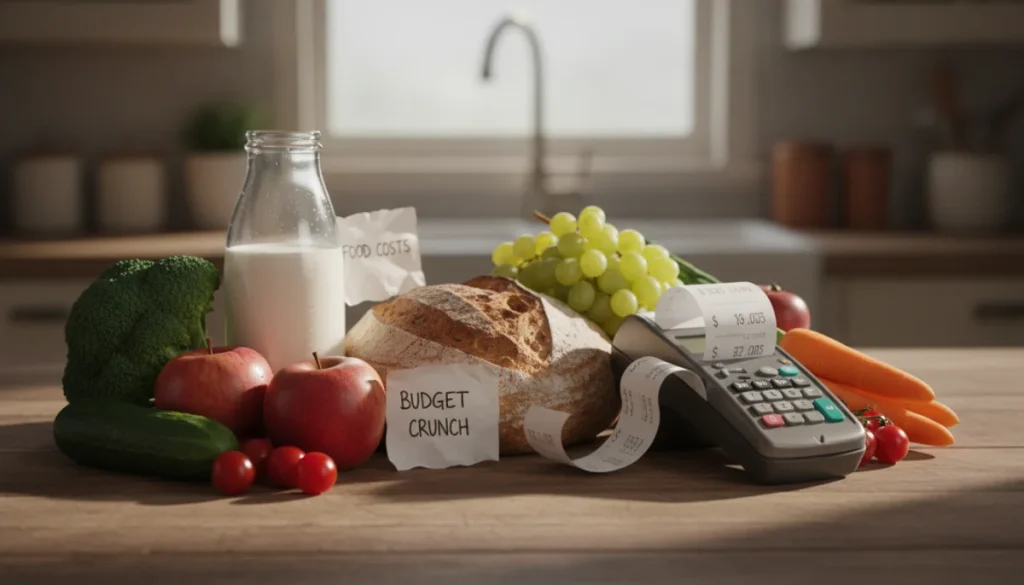
The National Food Price Index for Q1 2026 has revealed a 4% increase, directly impacting American household budgets and requiring strategic financial adjustments.
The latest report on the National Food Price Index for Q1 2026 has delivered a notable finding: a 4% increase in food prices across the United States. This development is more than just a statistic; it directly influences every American household, shaping daily decisions from grocery shopping to overall financial planning. Understanding the nuances of this increase is crucial for navigating the evolving economic landscape and safeguarding your household budget against unforeseen pressures.
Anúncios
Understanding the 4% Rise in Food Prices
The recent announcement of a 4% increase in the National Food Price Index for Q1 2026 has sent ripples through the American economy. This figure, while seemingly modest, represents a significant shift in the cost of essential goods, impacting everything from fresh produce to processed foods. It is vital to delve into the factors contributing to this rise and what it signifies for the broader economic outlook. Understanding these underlying causes can help consumers anticipate future trends and make more informed purchasing decisions.
Several interconnected elements contribute to inflationary pressures on food prices. These factors often interact in complex ways, creating a challenging environment for both producers and consumers. Analyzing these drivers provides a clearer picture of the current situation and potential future developments in the food market.
Key Drivers of Food Inflation
- Supply Chain Disruptions: Ongoing global events and logistical challenges continue to affect the timely and cost-effective movement of goods, leading to higher transportation and storage expenses.
- Energy Costs: Fluctuations in oil and gas prices directly impact agricultural production, processing, and distribution, as these sectors are heavily reliant on energy.
- Labor Shortages: A persistent lack of available labor in agricultural, manufacturing, and retail sectors can drive up wages, which are then passed on to consumers through higher prices.
- Climate Change Impacts: Unpredictable weather patterns, including droughts, floods, and extreme temperatures, can severely reduce crop yields and livestock production, creating scarcity and driving up costs.
The cumulative effect of these drivers creates a challenging economic climate. While individual consumers may feel the pinch at the grocery store, the implications extend to businesses throughout the food industry, forcing them to adapt their strategies to maintain profitability. The 4% increase is a clear indicator that these pressures are not abating and require careful consideration from all stakeholders.
Anúncios
In conclusion, the 4% rise in the food price index is a multifaceted issue driven by a combination of global and domestic factors. Recognizing these influences is the first step toward understanding the current economic landscape and preparing for its effects on household finances.
Direct Impact on Household Budgets
The 4% increase in the National Food Price Index for Q1 2026 translates directly into tangible financial adjustments for millions of American households. For many, food is one of the largest and most inflexible categories of household expenditure, making even small percentage increases significant. This rise necessitates a re-evaluation of spending habits and a proactive approach to managing limited resources.
Families with tight budgets are often the most affected by these price hikes. The cost of staple foods like bread, milk, eggs, and fresh produce can quickly add up, leaving less disposable income for other necessities such as housing, transportation, and healthcare. This creates a domino effect, where rising food costs can strain other areas of a family’s financial well-being.
Budgeting Strategies for Rising Costs
- Meal Planning: Developing a weekly meal plan helps reduce impulsive purchases and minimizes food waste, ensuring every dollar spent on groceries is utilized efficiently.
- Shopping Smart: Comparing prices across different stores, utilizing coupons, and buying in bulk when appropriate can lead to significant savings over time.
- Cooking at Home: Reducing reliance on restaurant meals and pre-prepared foods, which often carry higher markups, can free up a substantial portion of the food budget.
- Exploring Alternatives: Substituting expensive ingredients with more affordable, yet equally nutritious, options can help maintain a balanced diet without breaking the bank.
The psychological impact of rising food prices should not be underestimated. Constant vigilance over grocery bills can be stressful, and the feeling of financial squeeze can affect overall quality of life. Therefore, implementing effective budgeting strategies is not just about saving money; it’s also about reducing financial anxiety and maintaining a sense of control over household finances.
Ultimately, the 4% increase means that households must become more strategic and adaptable in their food purchasing and consumption habits. Proactive planning and a willingness to adjust are key to mitigating the direct impact on personal finances.
Regional Variations and Disparities
While the National Food Price Index for Q1 2026 reports an overall 4% increase, it is crucial to recognize that the impact is not uniformly distributed across all regions of the United States. Local economic conditions, supply chain efficiencies, and agricultural proximity can lead to significant disparities in how much consumers in different states or even different cities experience this rise. Understanding these regional variations provides a more nuanced picture of the inflationary landscape.
For instance, states heavily reliant on imported produce or those with higher transportation costs might see steeper price hikes than agricultural states with abundant local production. Similarly, urban centers often face different cost structures compared to rural areas, affecting the final price tag for consumers. These localized differences can exacerbate existing economic inequalities, disproportionately affecting vulnerable communities.
Factors Influencing Regional Price Differences
- Local Supply Chains: Regions with robust local farming and distribution networks may be better insulated from global supply chain shocks.
- Transportation Costs: Areas far from major agricultural hubs or processing centers incur higher freight costs, which are passed on to consumers.
- State and Local Taxes: Different tax structures on food items can influence the final retail price, creating variations across state lines.
- Competitive Landscape: The presence of large discount retailers versus smaller, independent grocers can also affect pricing strategies and consumer options.
These regional disparities highlight the complexity of national economic trends. A 4% national average might mask a 6% increase in one state and a 2% increase in another, making localized budgeting and policy responses essential. Consumers should be aware of their local market conditions and adjust their strategies accordingly.
In essence, while the national index provides a benchmark, the real-world experience of food inflation is deeply regional. Acknowledging these variations is vital for both policymakers and households in developing effective strategies to cope with rising food costs.
Consumer Behavior Shifts and Market Responses
The sustained increase in the National Food Price Index for Q1 2026 is inevitably leading to significant shifts in consumer behavior. As household budgets tighten, consumers are becoming more discerning and strategic in their purchasing decisions, prompting various responses from the food market. These shifts create a dynamic interplay between consumer demand and supplier offerings.
One of the most noticeable changes is a move towards more budget-friendly options. This includes an increase in demand for generic brands, store-brand products, and discounted items. Consumers are also more willing to travel to multiple stores to compare prices, a behavior that was less prevalent when prices were stable. The emphasis has shifted from convenience to cost-effectiveness.

Market Adaptations to Changing Demand
- Increased Private Label Offerings: Retailers are expanding their own-brand product lines, which are typically more affordable than national brands, to cater to price-sensitive consumers.
- Promotional Strategies: More frequent sales, discounts, and loyalty programs are being offered to attract and retain customers in a competitive pricing environment.
- Smaller Package Sizes: Some manufacturers are introducing smaller package sizes (shrinkflation) to maintain a lower price point, though the unit cost may increase.
- Focus on Value: Food producers and retailers are increasingly emphasizing the value proposition of their products, highlighting quality at a reasonable price to appeal to budget-conscious shoppers.
These market responses are a direct consequence of consumers adapting to higher prices. Businesses that fail to recognize and respond to these behavioral shifts risk losing market share. The current economic climate demands agility and a deep understanding of consumer needs.
Ultimately, the 4% rise in the food price index is not just a financial indicator but a catalyst for widespread changes in how consumers shop for food and how the market responds to their evolving demands. Both sides are in a constant state of adjustment.
Government and Policy Responses to Food Inflation
The consistent rise in the National Food Price Index for Q1 2026 has not gone unnoticed by government bodies, prompting discussions and implementations of various policy responses aimed at mitigating the impact on citizens. Addressing food inflation requires a multi-pronged approach that considers both immediate relief and long-term stability.
Governments typically explore a range of tools, from direct financial aid to regulatory adjustments, to stabilize prices and support vulnerable populations. These interventions are often complex, balancing the needs of consumers with the viability of agricultural producers and food retailers. The goal is to prevent widespread hardship while fostering a healthy and sustainable food system.
Key Policy Initiatives Under Consideration
- Targeted Subsidies: Providing financial assistance directly to low-income households to help cover increased food costs, often through existing programs like SNAP.
- Agricultural Support: Implementing policies that support farmers, such as subsidies for sustainable practices or investments in resilient crop varieties, to stabilize supply.
- Supply Chain Modernization: Investing in infrastructure and technology to improve the efficiency and resilience of the food supply chain, reducing transportation and logistical costs.
- Trade Policies: Reviewing import/export tariffs and agreements to ensure a steady and affordable supply of food, potentially easing restrictions on certain goods.
These policy measures are crucial for addressing the systemic issues contributing to food inflation. However, their effectiveness often depends on careful implementation and continuous evaluation. Public-private partnerships are also frequently explored to leverage resources and expertise from both sectors.
In conclusion, the government’s role in responding to the 4% increase in the food price index is critical. Through a combination of direct aid, agricultural support, and structural improvements, policymakers aim to alleviate the burden on households and ensure food security for all citizens.
Outlook for Future Food Prices
Projecting the future trajectory of the National Food Price Index for Q1 2026 and beyond requires careful consideration of numerous economic indicators and global trends. While the current 4% increase is a significant data point, understanding whether this trend will continue, stabilize, or even reverse is paramount for long-term financial planning for both households and businesses.
Analysts are closely monitoring various factors, including global commodity markets, geopolitical stability, and the ongoing recovery from past economic disruptions. The interplay of these elements will largely determine the volatility and direction of food prices in the coming quarters and years. Predicting with absolute certainty is challenging, but identifying potential scenarios can aid preparedness.
Factors Influencing Future Price Trends
- Global Economic Growth: Stronger global economies can increase demand for food commodities, potentially driving up prices.
- Energy Market Stability: Consistent and lower energy prices would reduce production and transportation costs, easing inflationary pressures on food.
- Technological Advancements: Innovations in agriculture, such as precision farming and vertical farming, could increase efficiency and yield, potentially stabilizing or reducing costs over time.
- Climate Action and Adaptation: Effective strategies to mitigate climate change impacts on agriculture could reduce volatility in crop yields and ensure more stable food supplies.
While some factors suggest a potential for stabilization, others indicate continued upward pressure. The balance between these forces will dictate the path of food inflation. Consumers and businesses should remain vigilant, adapting their strategies as new information becomes available.
In summary, the outlook for future food prices remains complex and subject to a multitude of influences. While the 4% increase in the food price index provides a snapshot of the present, continuous monitoring and proactive adaptation will be essential for navigating the evolving economic landscape.
| Key Aspect | Description |
|---|---|
| Q1 2026 Index Report | National Food Price Index increased by 4%, affecting all food categories. |
| Household Impact | Directly strains household budgets, requiring adjustments in spending habits. |
| Contributing Factors | Supply chain issues, energy costs, labor shortages, and climate events are key drivers. |
| Future Outlook | Continued vigilance and adaptive strategies are needed due to complex economic factors. |
Frequently Asked Questions About Food Price Increases
A 4% increase means that, on average, the cost of food items will be 4% higher than in the previous quarter. This directly impacts your grocery bill, potentially reducing your purchasing power and requiring adjustments to your household budget to maintain your current lifestyle.
While the 4% is an average, certain categories like fresh produce, meat, and dairy products often see more significant fluctuations due to their sensitivity to supply chain disruptions, energy costs, and seasonal changes. Processed foods may also increase due to manufacturing costs.
Yes, absolutely. The national average masks regional variations. Areas with higher transportation costs, specific agricultural dependencies, or different local market dynamics may experience either higher or lower increases than the reported national average, affecting local consumers differently.
Households can adopt several strategies, including meal planning, buying generic brands, utilizing coupons, cooking more at home, and exploring bulk purchasing. Comparing prices across different stores and reducing food waste are also effective ways to manage increased costs.
Governments typically consider measures like targeted subsidies for low-income families, agricultural support programs, investments in supply chain efficiency, and reviewing trade policies. The aim is to stabilize prices and ensure food security for all citizens while supporting the food industry.
Conclusion
The National Food Price Index for Q1 2026, with its reported 4% increase, serves as a critical economic indicator impacting every household in the United States. This rise is a complex phenomenon driven by a confluence of global and domestic factors, from supply chain intricacies and energy costs to climate change and labor market dynamics. While the national average provides a broad overview, it is essential to recognize the regional disparities and the direct financial strain this places on individual budgets. Households are urged to adopt proactive budgeting strategies and smart shopping habits to mitigate the effects. Concurrently, government bodies are exploring various policy responses to stabilize prices and support vulnerable populations. The outlook for future food prices remains dynamic, necessitating continuous vigilance and adaptability from both consumers and policymakers to navigate the evolving economic landscape effectively.
