Mastering Time Blocking: Reclaim 10 Hours Weekly in 2026

Anúncios
Mastering time blocking is a powerful strategy to enhance productivity and achieve work-life balance, enabling individuals to reclaim up to 10 hours per week in 2026 by strategically allocating focused blocks for tasks.
Anúncios
Are you constantly feeling overwhelmed by your to-do list, struggling to find enough hours in the day to accomplish your goals? What if you could consistently reclaim an extra 10 hours each week? The key lies in time blocking mastery, a transformative productivity technique that can fundamentally change how you approach your daily schedule in 2026 and beyond.
Understanding the Core Principles of Time Blocking
Time blocking is more than just scheduling; it’s a strategic approach to managing your time by dedicating specific blocks of time to specific tasks or activities. Instead of merely listing tasks, you assign them a designated slot on your calendar, treating these blocks as non-negotiable appointments. This method helps to combat multitasking, reduce distractions, and ensures that critical work receives the focused attention it deserves.
The fundamental idea behind time blocking is to create a visual representation of your day, week, or even month, allowing you to see exactly where your time is allocated. This clarity brings a sense of control and significantly reduces the mental load of constantly deciding what to do next. It shifts you from a reactive mode to a proactive one, where you are dictating your schedule rather than letting your schedule dictate you.
Anúncios
The Science Behind Focused Work
Our brains are not designed for constant task switching. Each time we jump between activities, there’s a cognitive cost, often referred to as a “switch cost.” Time blocking minimizes this cost by allowing for deep, uninterrupted work periods. This focused attention enhances the quality of your output and dramatically increases efficiency.
- Reduces decision fatigue: Knowing what to work on next eliminates constant choices.
- Increases deep work: Dedicated blocks foster concentration on complex tasks.
- Minimizes distractions: Scheduled breaks and communication times prevent interruptions.
- Improves task estimation: Regularly blocking time helps you better understand how long tasks truly take.
By embracing the principles of time blocking, you begin to cultivate a more intentional relationship with your time, recognizing it as a finite and valuable resource. This understanding is the first crucial step towards reclaiming those precious extra hours each week.
Setting Up Your Time Blocking System for 2026 Success
Implementing a successful time blocking system requires thoughtful preparation and a clear understanding of your priorities. Don’t jump straight into blocking every minute; instead, start with a strategic overview of your commitments and goals. The aim is to create a sustainable system that supports your productivity without feeling overly rigid or restrictive.
Begin by identifying your peak productivity hours. Are you a morning person or do you thrive in the afternoon? Schedule your most demanding tasks during these times. Conversely, allocate less intensive work, like email management or administrative duties, to your lower energy periods. This alignment of task difficulty with your natural energy cycles is critical for maximizing effectiveness.
Choosing the Right Tools
While the concept of time blocking is simple, the right tools can make its execution seamless. Digital calendars are often preferred for their flexibility and accessibility, allowing for easy adjustments and synchronization across devices. However, some individuals find physical planners more effective for a tangible sense of commitment.
- Digital Calendars: Google Calendar, Outlook Calendar, Apple Calendar offer color-coding and reminders.
- Project Management Software: Tools like Asana, Trello, or ClickUp can integrate task management with calendar views.
- Dedicated Time Blocking Apps: Apps such as Sunsama or Plan make the process intuitive.
- Physical Planners: For those who prefer a tactile experience, a detailed daily planner can be highly effective.
No matter your tool of choice, ensure it allows you to clearly visualize your blocked time and provides reminders. The goal is to make your schedule an active guide, not just a passive list. Experiment with different options to find what best suits your personal workflow and preferences for 2026.
Strategies for Effective Time Block Allocation
Once you have your tools in place, the real art of time blocking begins: allocating your time effectively. This isn’t about filling every minute with work; it’s about intentional scheduling that balances deep work, administrative tasks, breaks, and even personal time. The goal is to optimize your day, not just to fill it.
Consider the concept of “buffer time” between blocks. This allows for unexpected delays, quick transitions, or brief moments to reset before diving into the next task. Without buffer time, your meticulously planned schedule can quickly unravel with the smallest unforeseen event, leading to frustration and a sense of failure.
Prioritizing Your Blocks
Not all tasks are created equal. Use a prioritization method, such as the Eisenhower Matrix (Urgent/Important), to determine which tasks deserve prime real estate in your time blocks. High-priority tasks should be scheduled during your peak productivity windows, while lower-priority tasks can be grouped or delegated.
- Identify high-impact tasks: Focus on tasks that move your key objectives forward.
- Batch similar tasks: Group emails, calls, or administrative work to minimize context switching.
- Schedule breaks: Regular short breaks prevent burnout and maintain focus.
- Allocate personal time: Ensure time for exercise, family, and hobbies to maintain work-life balance.
Remember, your schedule is a living document. Be prepared to adjust and refine your blocks as your priorities shift or new challenges arise. The flexibility to adapt is a hallmark of successful time blocking, ensuring it remains a valuable tool rather than a rigid constraint.
Overcoming Common Time Blocking Challenges
While time blocking offers immense benefits, it’s not without its challenges. Unexpected interruptions, urgent requests, and the temptation to multitask can easily derail even the best-laid plans. Recognizing these common pitfalls and developing strategies to mitigate them is crucial for long-term success.
One of the biggest hurdles is dealing with external interruptions. Colleagues, family members, or clients may not be aware of your blocked time. Clear communication about your availability and setting boundaries are essential. This might involve setting an auto-responder during deep work blocks or communicating preferred contact times.
Strategies for Handling Interruptions
Proactive measures can significantly reduce the impact of interruptions. It’s about creating an environment that respects your focused work time, both physically and digitally. This involves more than just closing your office door; it extends to managing notifications and communicating your boundaries effectively.
- Communicate your schedule: Inform colleagues and family about your deep work blocks.
- Turn off notifications: Silence phone and desktop alerts during focused work.
- Use a “do not disturb” sign: A simple visual cue can deter casual interruptions.
- Schedule “open office hours”: Designate specific times for questions and quick interactions.
Another common challenge is the urge to procrastinate or deviate from your scheduled blocks. This often stems from a lack of clarity on the task or an overwhelming feeling. Breaking down large tasks into smaller, manageable chunks can make them less daunting and easier to tackle within a specific time block. Regularly reviewing your progress and celebrating small wins can also provide motivation to stick to your plan.
Measuring Your Progress and Reclaiming Your Time
The true power of time blocking becomes evident when you start measuring its impact. How do you know if you’re actually reclaiming 10 hours per week? Tracking your time and reflecting on your blocked activities provides valuable insights into your productivity patterns and helps you identify areas for further optimization. This data-driven approach is key to continuous improvement.
Start by simply logging how you spend your time for a week or two. You might be surprised at where your hours are actually going. Compare this actual usage against your time-blocked schedule. This comparison will highlight discrepancies and reveal where your time is being lost or misallocated, providing clear targets for adjustment.
Analyzing Your Time Usage
Regular analysis is not about being overly critical but about being strategic. Look for patterns: Are certain blocks consistently interrupted? Do you frequently underestimate the time required for specific tasks? This feedback loop is essential for refining your time blocking strategy and making it more effective over time.
- Review completed blocks: Assess if tasks were finished on time and effectively.
- Identify time sinks: Pinpoint activities that consistently consume more time than planned.
- Adjust block durations: Refine your estimates for task completion based on real-world data.
- Track reclaimed hours: Quantify the extra time you’ve gained by shifting from reactive to proactive work.
By consistently tracking and adjusting, you’ll begin to see tangible results. The 10 hours you aim to reclaim might not appear all at once, but rather as a cumulative effect of smarter scheduling, reduced distractions, and increased focus. This ongoing process of measurement and adaptation ensures that your time blocking system remains dynamic and aligned with your evolving needs and goals for 2026.
Integrating Time Blocking into Your Lifestyle for 2026
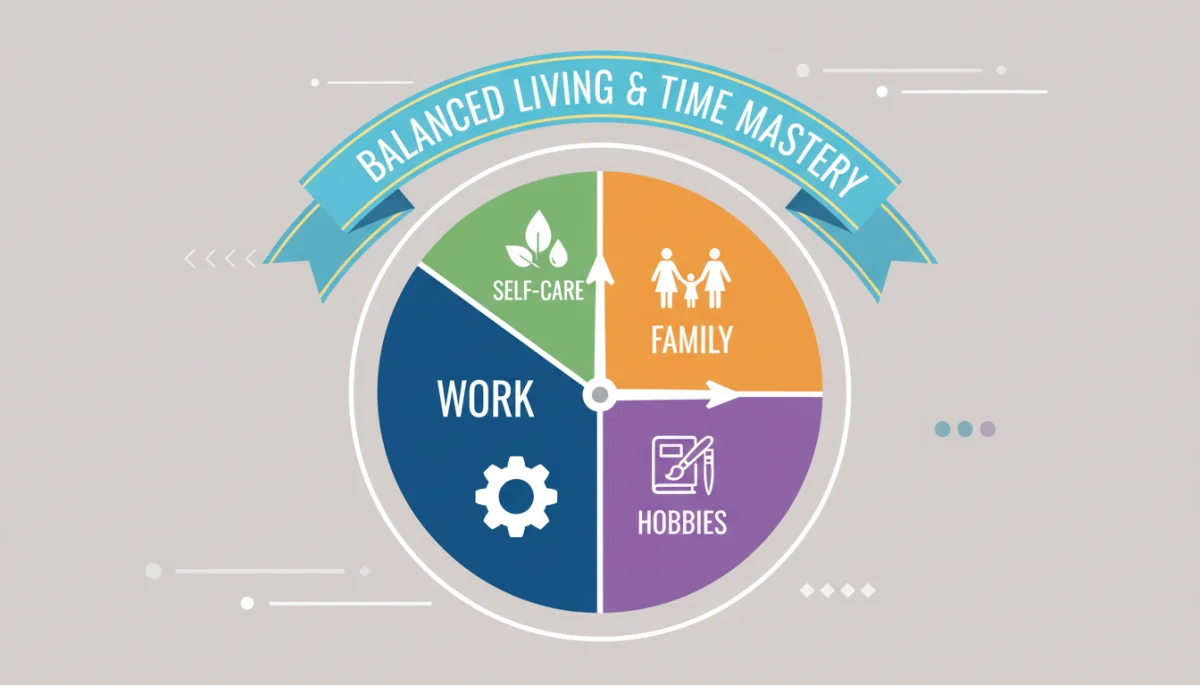
Time blocking isn’t just a work strategy; it’s a lifestyle hack that can significantly improve your overall well-being. To truly reclaim 10 hours per week, you must integrate time blocking beyond just your professional duties. This means consciously allocating time for personal growth, health, relationships, and leisure. A balanced life is a productive life.
Consider blocking time for exercise, meal preparation, meditation, or spending quality time with loved ones. When these activities are scheduled, they are less likely to be pushed aside by urgent, but not necessarily important, demands. This holistic approach ensures that your increased productivity at work translates into a richer, more fulfilling life outside of it.
Building Sustainable Habits
Consistency is paramount when building any new habit, and time blocking is no exception. Start small if necessary, perhaps by blocking just a few critical hours each day, and gradually expand as you become more comfortable. The goal is to make time blocking a natural and ingrained part of your daily routine.
- Start gradually: Don’t try to block every minute from day one.
- Be consistent: Stick to your blocks as much as possible, even when challenging.
- Review weekly: Dedicate a few minutes each week to plan the next and review the last.
- Be kind to yourself: Don’t aim for perfection; some days will be better than others.
By making time blocking a sustainable habit, you’re not just managing tasks; you’re managing your energy, your focus, and ultimately, your quality of life. The 10 hours you reclaim each week in 2026 can be channeled into pursuing passions, learning new skills, or simply enjoying more downtime, leading to a more balanced and intentional existence.
| Key Aspect | Description |
|---|---|
| Core Principle | Allocate specific calendar blocks for focused tasks, treating them as appointments. |
| Implementation | Identify peak productivity, choose tools (digital/physical), and prioritize high-impact tasks. |
| Challenges | Manage interruptions, procrastination, and adapt to unforeseen events with flexibility. |
| Benefits | Reduces decision fatigue, increases deep work, and reclaims significant weekly hours. |
Frequently Asked Questions About Time Blocking
The primary benefit of time blocking is to gain control over your schedule, ensuring that important tasks receive dedicated, uninterrupted attention. This proactive approach minimizes distractions, reduces decision fatigue, and significantly boosts overall productivity and efficiency, leading to more reclaimed personal time.
Even with an unpredictable schedule, you can start by blocking out non-negotiable tasks or personal time first. Then, create flexible blocks for critical work, adjusting them daily as new demands arise. Focus on blocking core high-priority tasks and essential self-care, building flexibility into your plan.
It’s common for tasks to spill over. When this happens, avoid extending the block into another scheduled activity. Instead, assess why the task took longer, adjust future estimates, and reschedule the remaining portion into a new, appropriate block. This helps maintain the integrity of your overall schedule.
Absolutely. Blocking out breaks, lunch, exercise, and personal activities is crucial for preventing burnout and maintaining work-life balance. Treating these as essential appointments ensures you recharge and have time for what truly matters, ultimately enhancing your focus and productivity during work blocks.
By strategically allocating dedicated blocks for tasks, you eliminate wasted time from context switching and distractions. This increased focus and efficiency mean you complete more in less time. Over a week, these small gains accumulate, easily freeing up 10 hours or more for other pursuits or relaxation.
Conclusion
As we navigate the complexities of 2026, the ability to effectively manage our most precious resource – time – has never been more critical. Time blocking mastery offers a tangible and highly effective solution to the perennial challenge of feeling overwhelmed and perpetually busy. By consciously allocating dedicated blocks of time for specific tasks, you transition from a reactive approach to a proactive command of your schedule. This intentionality not only enhances productivity and focus but also creates much-needed space for personal well-being and growth. The journey to reclaiming 10 hours per week is not about working harder, but working smarter, with purpose and precision. Embrace time blocking, and unlock a more balanced, productive, and fulfilling life.
