Safety Notice: Identifying Counterfeit Electronics – 2026 Guide

Anúncios
Identifying counterfeit electronics in 2026 is crucial for consumer safety and device longevity, requiring vigilance against sophisticated fakes to prevent potential hazards and financial losses.
Anúncios
In an increasingly digital world, the threat of counterfeit electronics looms larger than ever. Understanding how to navigate this complex landscape is vital for safeguarding your devices, data, and personal safety. This comprehensive Safety Notice: Identifying Counterfeit Electronics – A 2026 Guide to Protecting Your Devices will equip you with the knowledge needed to distinguish genuine products from dangerous fakes.
The Rising Tide of Counterfeit Electronics in 2026
The global market for electronics is booming, but so too is the illicit trade in counterfeit goods. In 2026, these fake products are not just cheap imitations; they pose significant risks to consumers, ranging from poor performance and data breaches to severe safety hazards like fires and explosions.
Counterfeiters have become incredibly sophisticated, often replicating packaging and branding with alarming accuracy. This makes it increasingly difficult for the average consumer to spot a fake without knowing what specific details to look for. The sheer volume of online marketplaces also provides fertile ground for these illicit sales.
Anúncios
Why Counterfeits Are More Dangerous Now
Modern counterfeit electronics are often manufactured with substandard materials and lack proper quality control. This can lead to critical component failures, overheating, and even electrical shocks. Furthermore, they may contain malware or spyware, compromising your personal data and privacy.
- Substandard Components: Use of low-quality materials that fail prematurely.
- Lack of Safety Certifications: Absence of essential regulatory approvals and testing.
- Data Security Risks: Potential for pre-installed malware or backdoors.
- Environmental Impact: Often produced without ethical or environmental considerations.
The implications extend beyond individual users. Businesses that unknowingly incorporate counterfeit components into their supply chains face reputational damage, financial losses, and potential legal liabilities. The battle against counterfeits is a collective effort, requiring awareness and proactive measures from everyone.
Visual Inspection: The First Line of Defense
One of the most immediate ways to identify counterfeit electronics is through a thorough visual inspection. While counterfeiters are getting better, they often cut corners on subtle details that reveal a product’s true nature. Pay close attention to packaging, branding, and the product itself.
Authentic products typically feature high-quality packaging with crisp graphics, clear text, and secure seals. Counterfeit packaging might have blurry images, misspelled words, or flimsy materials. Any deviation from the expected quality should raise a red flag.
Examining Packaging and Branding
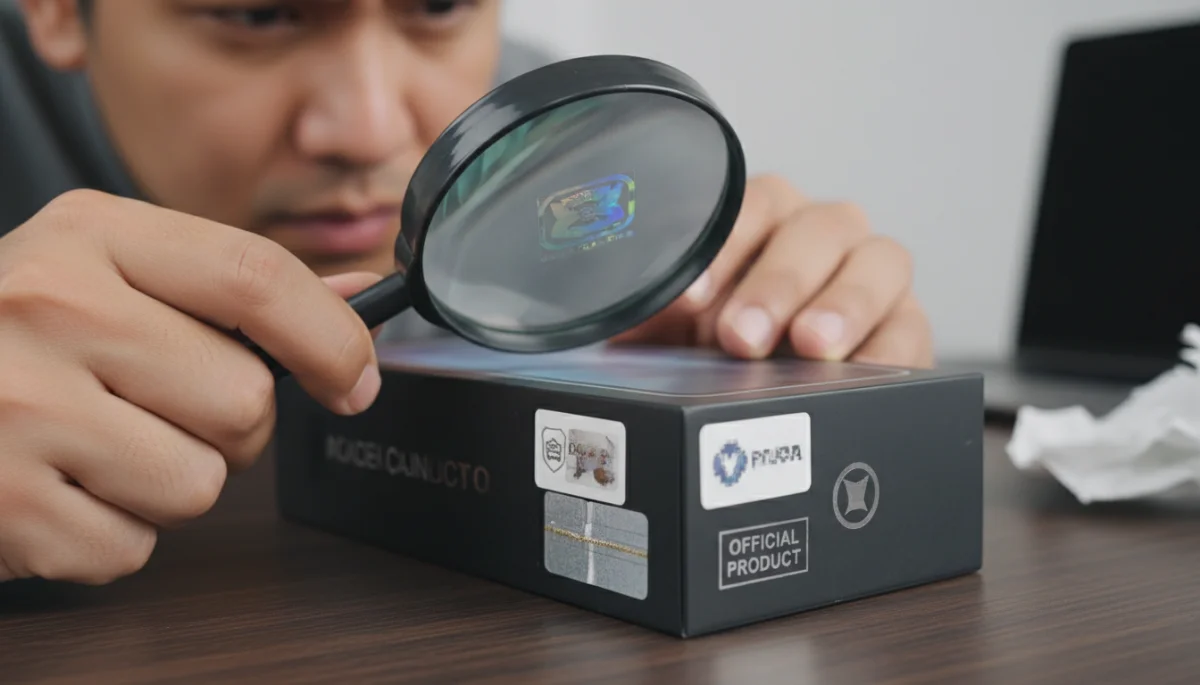
Official logos and trademarks on genuine products are usually precise and consistent. Counterfeit items often display logos that are slightly off-color, misaligned, or poorly printed. Check for holograms, security stickers, or unique serial numbers that manufacturers use to authenticate their products.
- Logo and Branding: Look for perfect alignment, color accuracy, and crispness.
- Text and Typography: Ensure all text is spelled correctly and uses the correct font.
- Security Features: Verify holograms, QR codes, or tamper-evident seals.
- Material Quality: Feel the packaging; genuine products use durable, premium materials.
Beyond the packaging, inspect the device itself. Genuine electronics exhibit superior build quality, with smooth finishes, tight seams, and precise component placement. Counterfeits may have visible gaps, rough edges, or cheap-feeling plastics. Every detail, no matter how small, can offer a clue.
Performance and Functionality Red Flags
Once you move past the visual cues, the performance and functionality of an electronic device can be a strong indicator of its authenticity. Counterfeit products rarely match the performance of their genuine counterparts, often exhibiting a range of issues that become apparent during use.
A genuine device will operate smoothly, deliver on its promised specifications, and integrate seamlessly with other compatible systems. Counterfeit devices, however, frequently fall short in these areas, leading to frustration and potential damage to other connected electronics.
Common Performance Discrepancies
Expect genuine electronics to have consistent battery life, reliable connectivity, and efficient processing speeds. Counterfeit versions might have significantly shorter battery life, intermittent connectivity problems, or noticeably slower operation. Software issues are also common, as fakes often run outdated or modified firmware.
- Battery Life: Significantly shorter or erratic battery performance.
- Charging Issues: Slow charging, overheating during charge, or incompatible chargers.
- Connectivity Problems: Unstable Bluetooth, Wi-Fi, or USB connections.
- Software Glitches: Frequent crashes, unresponsive interfaces, or missing features.
Another telltale sign is the lack of compatibility with official accessories or software updates. Counterfeit devices may not be recognized by official apps or might fail to receive critical security patches, leaving them vulnerable. Always compare the product’s actual performance with published specifications from the manufacturer.
Purchasing Wisely: Mitigating Risks
The point of purchase plays a critical role in minimizing your exposure to counterfeit electronics. Where you buy your devices can significantly impact the likelihood of receiving a genuine product. Exercise caution and prioritize reputable sellers, even if it means paying a slightly higher price.
Buying directly from the manufacturer or authorized retailers is always the safest bet. These channels guarantee authenticity and often come with warranties and customer support. Be wary of deals that seem too good to be true, especially from unknown online sellers or unofficial marketplaces.
Choosing Reputable Vendors
When shopping online, verify the seller’s reputation, read customer reviews, and check their return policies. Look for official seller badges or certifications. If a third-party seller is offering a product, ensure they are an authorized reseller listed on the manufacturer’s website.
- Authorized Retailers: Purchase directly from brand stores or certified partners.
- Seller Reviews: Check for consistent positive feedback and absence of counterfeit complaints.
- Return Policies: Ensure clear and consumer-friendly return and warranty options.
- Payment Methods: Use secure payment gateways that offer buyer protection.
Be particularly cautious of street vendors, flea markets, or unverified social media sellers. While tempting due to lower prices, these sources are often hotbeds for counterfeit goods. Investing a little more in a reputable purchase saves you potential headaches and financial loss in the long run.
Leveraging Technology for Authentication in 2026
As counterfeiters grow more sophisticated, so do the tools available to consumers for authentication. In 2026, various technological solutions are emerging to help identify genuine electronics, providing an extra layer of security beyond visual inspection and performance checks.
Many manufacturers are integrating advanced security features into their products and packaging. These can include unique serial numbers, QR codes, NFC tags, and even blockchain-based verification systems that allow consumers to trace a product’s origin and verify its authenticity with a simple scan or lookup.
Advanced Authentication Methods
Download official manufacturer apps that allow you to register your product and verify its authenticity. These apps often provide a database of genuine serial numbers or use image recognition to compare your product with known authentic designs. Some brands are also using micro-tagging and invisible inks.
- QR Code Verification: Scan codes linked to official product databases.
- NFC Tag Authentication: Tap your phone to verify embedded chips.
- Blockchain Traceability: Track product journey from manufacturing to sale.
- Manufacturer Apps: Utilize official applications for product registration and authentication.
Before purchasing, research if the brand offers any such authentication tools. If they do, make sure to use them as soon as you receive the product. This proactive step can prevent you from using a potentially dangerous counterfeit and allow you to initiate a return or dispute if necessary.
Reporting Counterfeits and Consumer Recourse
If you suspect or confirm that you have purchased a counterfeit electronic product, it is crucial to take action. Reporting these incidents not only helps protect other consumers but also aids authorities in combating the illicit trade. There are several avenues for consumer recourse and reporting.
First, attempt to return the product to the seller for a refund. Many reputable marketplaces and payment processors offer buyer protection programs that can assist in these situations. Document all communication and evidence of the counterfeit nature of the product.
Steps to Take When You Find a Counterfeit
Beyond seeking a refund, report the counterfeit product to the relevant authorities. This includes consumer protection agencies, the manufacturer of the genuine product, and potentially law enforcement. Providing detailed information can lead to investigations and the removal of counterfeit sellers from the market.
- Contact the Seller: Request a refund or replacement with photographic evidence.
- File a Dispute: Utilize buyer protection programs from your credit card or payment service.
- Report to Manufacturer: Inform the legitimate brand about the counterfeit.
- Notify Authorities: Contact consumer protection agencies like the FTC or local law enforcement.
Your actions contribute to a safer marketplace for everyone. By being vigilant and reporting suspicious products, you play a vital role in the ongoing fight against counterfeit electronics and help ensure that consumers receive the quality and safety they expect and deserve.
| Key Aspect | Description for Identifying Counterfeits |
|---|---|
| Visual Inspection | Examine packaging, logos, and product build quality for inconsistencies, errors, or substandard materials. |
| Performance Check | Assess battery life, connectivity, and overall functionality against manufacturer specifications. |
| Purchase Source | Always buy from authorized retailers or directly from the brand to ensure authenticity. |
| Technological Aids | Utilize QR codes, NFC tags, and official apps for digital product authentication. |
Frequently Asked Questions About Counterfeit Electronics
The biggest dangers include serious safety hazards like electrical fires, explosions, and electric shocks due to poor manufacturing and lack of safety certifications. Additionally, they often perform poorly, have shorter lifespans, and can contain malware that compromises your data security and privacy.
Always check the official website of the brand whose product you intend to buy. Most legitimate manufacturers provide a list of their authorized online and physical retailers. If the seller is not on this list, or their website seems unprofessional, proceed with extreme caution.
Not necessarily. Some reputable brands offer budget-friendly options, and sales can significantly reduce prices. However, if a deal seems unusually low compared to typical market prices, especially for a premium brand, it’s a strong indicator that the product might be counterfeit. Always research the average market value.
First, stop using the product immediately to avoid potential hazards. Then, contact the seller for a refund. If unsuccessful, dispute the charge with your bank or credit card company. Also, report the incident to the genuine manufacturer and consumer protection agencies like the FTC.
Yes, using counterfeit accessories or components with your genuine device can absolutely void its warranty. Manufacturers explicitly state that damages resulting from non-approved parts are not covered. This is another critical reason to ensure all your electronics and their accessories are authentic.
Conclusion
Protecting yourself and your devices from the perils of counterfeit electronics in 2026 demands a proactive and informed approach. By understanding the telltale signs, scrutinizing purchase sources, and leveraging available authentication technologies, consumers can significantly reduce their risk. Your vigilance not only safeguards your personal investments and data but also contributes to a more secure and trustworthy global marketplace. Stay informed, stay safe, and always prioritize authenticity when making electronic purchases.
