Declutter Your Digital Life: 3 Steps to an Organized 2026

Anúncios
Achieving a more organized and productive 2026 begins with a strategic approach to decluttering your digital life, focusing on streamlined files, optimized inboxes, and mindful app usage.
Are you feeling overwhelmed by digital clutter, with countless files, emails, and notifications vying for your attention? It’s time to take control. This guide will walk you through how to declutter your digital life in 3 simple steps, paving the way for a more organized and productive 2026.
Anúncios
Understanding the Digital Clutter Epidemic
In our increasingly connected world, digital clutter has become an unspoken epidemic, silently eroding our productivity and peace of mind. From overflowing inboxes to disorganized cloud storage and a myriad of unused apps, the digital detritus accumulates faster than we realize. This constant barrage of information and digital possessions can lead to stress, decreased focus, and a significant drain on our mental energy.
The impact of digital clutter extends beyond mere inconvenience; it can affect our decision-making, creativity, and even our sleep patterns. A cluttered digital environment mirrors a cluttered physical space, making it difficult to find what we need when we need it, and often leading to procrastination. Recognizing the scope of this issue is the first critical step toward reclaiming our digital sanity and fostering a more organized approach to our online lives.
The psychological toll of digital overload
The constant notifications, the endless scroll, and the sheer volume of digital information can take a significant psychological toll. Our brains are not wired to process such an immense amount of data continuously, leading to cognitive overload and decision fatigue. This persistent state of being ‘always on’ contributes to heightened anxiety and a diminished capacity for deep work.
Anúncios
- Increased stress: The pressure to respond to every email or message can create a perpetual state of alert.
- Reduced focus: Constant interruptions from notifications fragment our attention, making sustained concentration difficult.
- Decision fatigue: Too many choices, even minor ones like which app to open, deplete our mental resources.
- Information anxiety: The fear of missing out (FOMO) or not being up-to-date can be a significant stressor.
Understanding these effects highlights the urgency of addressing digital clutter, not just for productivity, but for our overall mental well-being. A mindful approach to our digital interactions can significantly alleviate these pressures, allowing us to engage with technology more intentionally and less reactively.
The root of digital clutter often lies in our habits – the ease of downloading, subscribing, and saving without a clear system for organization or deletion. This accumulation, while seemingly harmless in isolation, creates a substantial barrier to efficiency and mental clarity. By acknowledging the pervasive nature and consequences of digital clutter, we empower ourselves to initiate meaningful change and establish healthier digital practices for the future.
Step 1: Declutter Your Digital Files and Storage
The first and often most daunting step in decluttering your digital life is tackling the vast expanse of your files and storage. This includes everything from documents and photos on your computer to cloud storage services and external hard drives. A systematic approach is key to transforming a chaotic digital landscape into an organized, accessible one.
Start by identifying all the locations where you store digital files. This might involve your desktop, documents folder, downloads, Dropbox, Google Drive, OneDrive, and even old USB drives. The goal here is to get a complete picture of your digital hoard before beginning the sorting process. Don’t underestimate the volume; many people are surprised by how much data they’ve accumulated over the years.
Implementing a ‘digital detox’ for your files
A ‘digital detox’ for your files involves a rigorous sorting process, much like decluttering a physical space. The core principle is to keep only what is essential, valuable, or frequently used, and to discard or archive the rest. This requires making conscious decisions about each file, which can be time-consuming but immensely rewarding.
- Delete duplicates: Use specialized software or manual checks to eliminate redundant files taking up valuable space.
- Organize into logical folders: Create a clear, hierarchical folder structure. Categorize by project, date, or type (e.g., ‘Work 2025’, ‘Personal Photos’, ‘Financial Documents’).
- Archive old projects: Move completed or inactive projects to an ‘Archive’ folder or an external drive. They’re still accessible but out of your immediate workspace.
- Regularly review downloads: The ‘Downloads’ folder is a common culprit for clutter. Make it a habit to process or delete items from here weekly.
Consider using consistent naming conventions for your files to make them easily searchable. For example, ‘ProjectX_Report_2025-01-15.pdf’ is far more useful than ‘document1.pdf’. This proactive approach to file management will save you countless hours of searching in the long run.
Cloud storage offers both convenience and potential for clutter. While it’s great for accessibility, ensure you’re not simply mirroring your local computer’s disorganization in the cloud. Apply the same decluttering principles to your cloud accounts. Consolidate services if you’re using too many, and regularly review shared folders to ensure they’re still relevant and necessary. This comprehensive approach to digital file and storage decluttering lays a solid foundation for a more organized digital life in 2026.
Step 2: Streamline Your Inbox and Communications
Your email inbox is often the central hub of your digital communications, and for many, it’s a source of constant stress. An overflowing inbox can feel like an endless to-do list, making it difficult to prioritize important messages and respond promptly. Streamlining your inbox is a crucial step towards digital tranquility and improved productivity.
Begin by acknowledging the sheer volume of emails you receive daily. Many are likely newsletters you no longer read, promotional offers, or notifications from services you rarely use. The key to inbox mastery isn’t just about deleting; it’s about preventing clutter from entering in the first place and creating a system for efficient processing.
Implementing an ‘inbox zero’ strategy
The ‘inbox zero’ philosophy aims to keep your inbox empty or near-empty, meaning every email has been processed, acted upon, or filed. It’s not about responding immediately to everything, but rather about deciding what to do with each message and then doing it. This approach minimizes cognitive load and allows you to focus on tasks that truly matter.
- Unsubscribe ruthlessly: For every newsletter or promotional email you don’t read, hit that unsubscribe button. This is the most impactful step to reduce incoming volume.
- Create filters and rules: Set up automatic rules to sort incoming emails into specific folders (e.g., ‘Receipts’, ‘Social Media Notifications’, ‘Family’). This keeps your main inbox clear.
- Process emails in batches: Instead of checking email constantly, dedicate specific times throughout the day for processing. This reduces interruptions and improves focus.
- Use the ‘four D’s’ for each email:
- Delete: If it’s junk or no longer relevant.
- Do: If it takes less than two minutes to respond or act on.
- Delegate: If someone else can handle it.
- Defer: If it requires more time, move it to a ‘To Do’ folder or add it to your task list.
Beyond email, consider other communication platforms like messaging apps and social media. Mute unnecessary group chats, turn off notifications for non-essential apps, and be intentional about when and how you engage with these platforms. The goal is to reduce constant interruptions and regain control over your attention.
A streamlined communication strategy extends to your contact list. Regularly review and delete outdated contacts from your phone and email. This ensures that your communication channels are clean and efficient, allowing you to connect with the right people without sifting through irrelevant information. By mastering your inbox and communication channels, you significantly reduce digital noise and create a clearer path for productive engagement in 2026.
Step 3: Optimize Your Apps and Digital Devices
Our smartphones, tablets, and computers are powerful tools, but they can quickly become sources of distraction and clutter if not managed effectively. The final step in decluttering your digital life involves optimizing your apps and devices to serve your productivity and well-being, rather than becoming a drain on your time and attention.
Take a critical look at all the apps installed on your devices. How many do you genuinely use regularly? How many are simply taking up space, sending notifications, and potentially collecting data without providing real value? This audit is crucial for creating a more focused and intentional digital environment.
Conducting an app audit and digital hygiene routine
An app audit is similar to decluttering a physical closet: if you haven’t used it in a while, or if it doesn’t bring you joy or utility, it’s time to let it go. This process should be applied to all your devices, ensuring consistency across your digital ecosystem.
- Delete unused apps: Be ruthless. If you haven’t opened an app in a month or two, chances are you don’t need it. Free up space and reduce potential distractions.
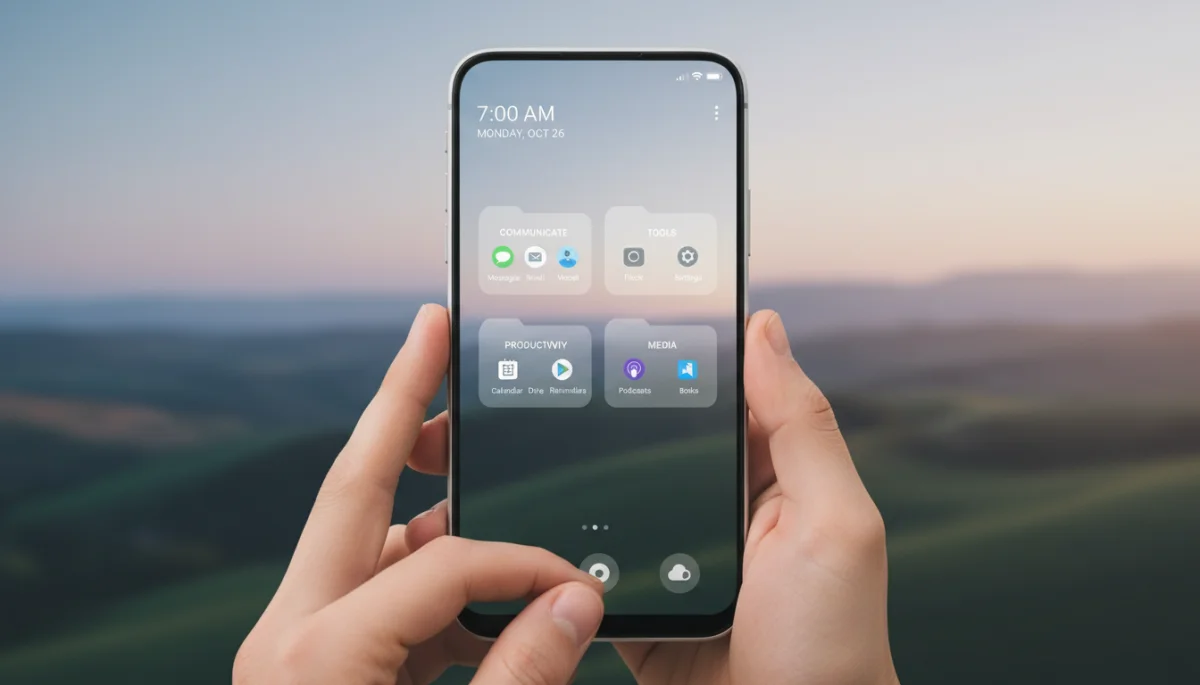
- Organize remaining apps: Group similar apps into folders on your home screen or desktop. Keep essential apps within easy reach and hide less-frequently used ones.
- Disable unnecessary notifications: This is perhaps one of the most impactful changes you can make. Go through your app settings and turn off notifications for anything that isn’t absolutely critical.
- Review browser extensions: Browser extensions can slow down your computer and compromise privacy. Uninstall any you don’t actively use or trust.
Beyond apps, consider your device’s overall settings. Optimize privacy settings, manage permissions for apps, and regularly clear caches to improve performance. A clean, well-maintained device runs more efficiently and reduces frustration.
Establishing a digital hygiene routine is about more than just a one-time clean-up; it’s about building sustainable habits. Schedule regular check-ins (monthly or quarterly) to review your apps, notifications, and digital files. This proactive maintenance prevents clutter from accumulating again, ensuring your digital life remains organized throughout 2026 and beyond.
Consider the aesthetic of your digital space. A minimalist desktop background, a simplified home screen, and a consistent theme can contribute to a sense of calm and order. Your digital environment should feel inviting and functional, not overwhelming. By optimizing your apps and devices, you transform them into powerful tools that support your goals, rather than hinder them.
Maintaining Your Digital Order Beyond 2026
Decluttering your digital life is not a one-time event but an ongoing commitment. The digital world is constantly evolving, with new apps, services, and information streams emerging daily. Therefore, establishing sustainable habits and routines is essential to maintain the order you’ve created and ensure your digital environment remains optimized well beyond 2026.
Think of digital maintenance as similar to keeping your physical home clean. It requires regular attention, not just a spring cleaning once a year. Integrating small, consistent actions into your daily or weekly routine can prevent the build-up of clutter and save you from another overwhelming overhaul in the future.
Establishing sustainable digital habits
Building good digital habits is about creating a conscious relationship with technology. It means being intentional about what you consume, how you interact, and what you keep. This proactive approach empowers you to control your digital space, rather than letting it control you.
- Daily ‘digital sweep’: Dedicate 5-10 minutes each day to quickly process new emails, delete unnecessary files, or review notifications.
- Weekly ‘app audit’: Once a week, quickly scan your phone and computer for any newly downloaded apps or accumulated files that need attention.
- Monthly ‘storage check’: Set a reminder to review your cloud storage and hard drives monthly, ensuring they remain organized and free of redundant data.
- Regular software updates: Keep your operating systems and apps updated. This not only ensures security but also often improves performance and introduces new organizational features.
Beyond these routines, cultivate a mindful approach to your digital consumption. Before signing up for a new newsletter or downloading a new app, ask yourself if it genuinely adds value to your life or if it will simply contribute to future clutter. Be selective and prioritize quality over quantity in your digital interactions.
Educate yourself on digital tools that can assist in maintaining order, such as password managers, document scanners, and backup solutions. These tools can automate aspects of digital hygiene, making the process less burdensome. By embedding these practices into your lifestyle, you ensure that the effort you put into decluttering your digital life now pays dividends for years to come, keeping you organized and focused beyond 2026.
The Benefits of a Decluttered Digital Space
Embarking on the journey to declutter your digital life yields far more than just a tidy screen; it unlocks a cascade of benefits that profoundly impact your productivity, mental well-being, and overall quality of life. The initial effort invested in organizing your digital world pays dividends through sustained efficiency and reduced stress, creating a more harmonious relationship with technology.
Imagine a digital environment where every file is easily found, every email has a purpose, and every app serves a clear function. This ideal is not just a fantasy; it’s an achievable reality that leads to tangible improvements in various aspects of your daily existence, both personal and professional.
Enhanced productivity and mental clarity
One of the most immediate and noticeable benefits of a decluttered digital space is a significant boost in productivity. When you’re not constantly searching for files, distracted by notifications, or overwhelmed by your inbox, your focus sharpens, and your capacity for deep work increases. This newfound clarity translates directly into more efficient task completion and better quality output.
- Faster information retrieval: Organized files and emails mean less time wasted searching and more time spent doing.
- Reduced distractions: Minimized notifications and a clean digital workspace allow for uninterrupted concentration.
- Improved decision-making: With less cognitive overload, you can make clearer, more effective decisions.
- Greater sense of control: Taking charge of your digital environment empowers you, reducing feelings of overwhelm and anxiety.
Beyond productivity, a decluttered digital life contributes significantly to mental well-being. The constant hum of digital noise can be a subtle but persistent stressor. By consciously reducing this noise, you create a quieter mental space, fostering greater peace and calm. This allows for more creative thinking, better problem-solving, and a general improvement in your mood.
Furthermore, a well-organized digital life often leads to better data security. When you know exactly what files you have and where they are stored, you can implement more effective backup strategies and protect sensitive information more diligently. This proactive approach minimizes risks and provides greater peace of mind. Ultimately, the benefits of a decluttered digital space extend far beyond the screen, positively influencing your entire life, making the effort truly worthwhile for a more organized and fulfilling 2026.
Tools and Resources for Digital Organization
While the principles of digital decluttering are straightforward, the process can be significantly aided by leveraging the right tools and resources. The market offers a plethora of applications and services designed to help you manage files, emails, passwords, and tasks more efficiently. Choosing the right ones can automate aspects of your digital hygiene and make maintaining order much simpler.
It’s important to select tools that align with your specific needs and workflow, rather than simply adding more apps to an already crowded digital space. The goal is to simplify, not complicate. Evaluate each tool based on its functionality, ease of use, security features, and how well it integrates with your existing digital ecosystem.
Essential software for a streamlined digital life
Several categories of tools can be incredibly beneficial in your quest for digital organization. From document management to communication streamlining, these resources can act as powerful allies in maintaining your decluttered state.
- Cloud storage solutions: Services like Google Drive, Dropbox, and OneDrive offer robust file synchronization and sharing capabilities. Utilize them for organized storage and easy access to your most important documents across devices.
- Password managers: Tools like LastPass, 1Password, or Bitwarden securely store all your passwords, generate strong new ones, and autofill login forms. This eliminates the need to remember dozens of complex passwords, reducing digital friction.
- Email management apps: Beyond native email clients, apps like Spark or Newton offer advanced features for sorting, snoozing, and prioritizing emails, helping you achieve and maintain inbox zero.
- Note-taking and organization apps: Evernote, Notion, or OneNote are excellent for capturing ideas, organizing projects, and centralizing information, reducing the need for scattered digital notes.
- Duplicate file finders: Software such as Duplicate Cleaner Pro (Windows) or Gemini 2 (Mac) can efficiently scan your drives and identify redundant files, making the deletion process much faster.
Beyond software, consider leveraging built-in operating system features. Both Windows and macOS offer powerful search functions, virtual desktops, and file tagging systems that can significantly enhance your ability to manage your digital environment. Learning these features can unlock hidden efficiencies without requiring additional third-party tools.
Finally, remember that the most effective tool is often a well-defined personal system. No software can replace the discipline of regularly reviewing your digital assets and making conscious decisions about what to keep, what to delete, and how to organize. These tools are enablers, but your commitment to digital hygiene is the ultimate driver of a truly organized digital life for 2026 and beyond.
| Key Step | Brief Description |
|---|---|
| Digital Files & Storage | Organize documents, photos, and cloud storage into logical folders, deleting duplicates and unused items. |
| Inbox & Communications | Unsubscribe from unwanted emails, use filters, and process messages efficiently to achieve ‘inbox zero’. |
| Apps & Devices | Delete unused apps, organize remaining ones, and disable unnecessary notifications for focused device use. |
| Maintain Digital Order | Establish regular routines for digital hygiene to prevent future clutter accumulation and sustain organization. |
Frequently asked questions about digital decluttering
Digital decluttering is crucial for 2026 as it directly impacts productivity, reduces stress, and improves mental clarity in an increasingly digital world. An organized digital space allows for better focus, faster information retrieval, and a more intentional use of technology, leading to a more efficient and calmer year.
While a major decluttering effort can be done annually, integrating small, consistent actions is more effective. Aim for a quick daily ‘digital sweep’ and a more thorough weekly or monthly review of files and downloads to prevent significant accumulation and maintain order.
‘Inbox zero’ is an email management philosophy aiming to keep your inbox empty or near-empty by processing each email: deleting, doing, delegating, or deferring. It helps reduce cognitive load, prioritize messages, and ensures that your inbox doesn’t become an overwhelming to-do list.
To effectively reduce app notifications, go into your device’s settings and individually turn off notifications for any app that isn’t absolutely critical. Prioritize only essential alerts. This simple action significantly minimizes distractions and helps reclaim your focus and attention throughout the day.
Yes, many tools can assist. Cloud storage (Google Drive, Dropbox) helps organize files, password managers (LastPass) secure logins, and email management apps (Spark) streamline inboxes. Duplicate file finders and note-taking apps (Notion) further aid in maintaining a clean and efficient digital environment.
Conclusion
Successfully navigating the digital landscape of 2026 demands a proactive approach to organization. By following these three simple steps – decluttering your files, streamlining your inbox, and optimizing your apps – you can transform digital chaos into a system of efficiency and calm. This commitment to digital hygiene not only enhances productivity but also significantly improves mental well-being, allowing you to engage with technology more intentionally and live a more organized, focused life. Embrace these practices, and make 2026 your most digitally harmonious year yet.
