2026 Minimum Wage Debate: $15 Per Hour Proposals
Anúncios
The 2026 national minimum wage debate centers on proposals to increase the federal rate to $15 per hour by year-end, sparking discussions on economic impact and worker welfare.
Anúncios
The discussion surrounding the 2026 National Minimum Wage Debate: A Look at Proposals to Increase it to $15 Per Hour by Year-End is intensifying across the United States. This crucial conversation affects millions of workers, businesses, and the overall economic landscape, prompting close examination of its potential benefits and challenges.
Understanding the Current Minimum Wage Landscape
The current federal minimum wage in the United States stands at $7.25 per hour, a rate that has remained unchanged for over a decade. This static figure has fueled widespread calls for an increase, particularly in the face of rising living costs and inflation. Many states and localities have already taken action, implementing their own higher minimum wages to address the economic realities faced by their residents. This creates a complex patchwork of wage standards across the nation, leading to disparities in worker compensation and purchasing power depending on geographic location.
The federal minimum wage was established to provide a baseline income for workers, ensuring a minimal standard of living. However, critics argue that the current rate no longer fulfills this purpose effectively, as the cost of housing, food, healthcare, and transportation has significantly outpaced wage growth. The debate often highlights the struggle of individuals and families trying to make ends meet on minimum wage salaries, even with full-time employment. This economic pressure is a primary driver behind the push for a substantial increase, aiming to lift workers out of poverty and reduce income inequality.
Anúncios
State and Local Initiatives
- Varying Rates: Over half of U.S. states and numerous cities have minimum wages higher than the federal standard.
- Phased Increases: Many jurisdictions have adopted phased approaches to reach higher wage targets, often over several years.
- Cost of Living Adjustments: Some areas tie their minimum wage increases to inflation, ensuring it keeps pace with economic changes.
The varied approaches at the state and local levels demonstrate a clear recognition of the need for higher wages, yet they also underscore the absence of a unified national strategy. This fragmented landscape can complicate business operations for companies with a presence in multiple states, requiring them to navigate different wage regulations. For workers, it means that earning potential can be drastically different based solely on where they reside, creating a sense of economic lottery.
In conclusion, the current minimum wage landscape is characterized by a stagnant federal rate and a dynamic, diverse array of state and local initiatives. This dichotomy sets the stage for the ongoing national debate, as policymakers grapple with the challenge of establishing a federal standard that is both economically viable and socially equitable for all American workers.
Proposals to Increase to $15 Per Hour by Year-End 2026
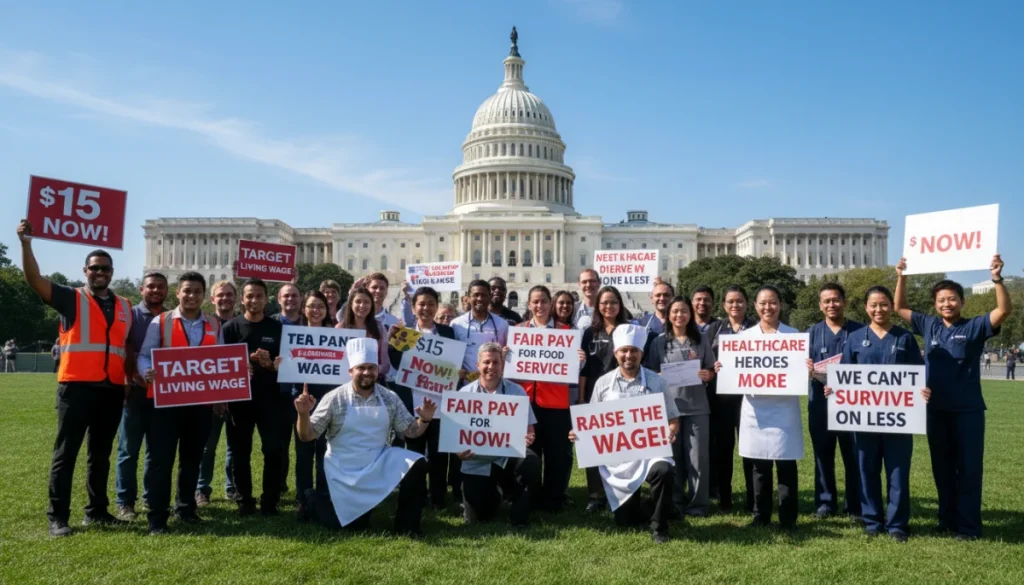
The central focus of the 2026 National Minimum Wage Debate is the ambitious proposal to raise the federal minimum wage to $15 per hour by the end of 2026. This target represents a significant leap from the current $7.25 and is championed by various labor organizations, progressive lawmakers, and advocacy groups who argue it is a necessary step towards a living wage for all Americans. The proposals generally outline a gradual, incremental increase over the next few years, culminating in the $15 target, to allow businesses time to adjust.
Advocates for the $15 minimum wage point to research suggesting that such an increase would significantly reduce poverty rates, particularly among single-parent households and minority communities. They contend that higher wages would boost consumer spending, stimulate local economies, and improve worker morale and productivity. The argument is often framed as an issue of economic justice and fairness, asserting that no full-time worker should struggle to afford basic necessities.
Key Legislative Approaches
- Federal Legislation: Bills introduced in Congress aim to amend the Fair Labor Standards Act (FLSA) to mandate the $15 rate nationwide.
- Phased Implementation: Most proposals include a multi-year schedule for increases, rather than an immediate jump, to mitigate economic shock.
- Tipped Worker Wages: Some proposals also seek to eliminate the sub-minimum wage for tipped workers, bringing their base pay in line with the general minimum wage.
The proposed legislation typically includes provisions for future adjustments, often linking the minimum wage to inflation or median wage growth to prevent it from eroding over time. This forward-looking approach aims to create a more sustainable wage policy that adapts to economic changes. The push for $15 per hour is not just about a number; it’s about establishing a principle that work should pay enough to live on, reflecting the dignity of labor.
In summary, the proposals to reach a $15 federal minimum wage by year-end 2026 are comprehensive, aiming for a phased increase that addresses economic disparities and ensures a more livable income for millions. These initiatives are at the heart of the ongoing national conversation, shaping the future of labor policy in the United States.
Economic Arguments For a Higher Minimum Wage
Proponents of increasing the minimum wage to $15 per hour frequently cite a range of economic benefits. A primary argument is that a higher minimum wage boosts consumer spending. When low-wage workers have more disposable income, they tend to spend it on essential goods and services, which can stimulate demand and drive economic growth. This increased demand, in turn, can encourage businesses to expand and hire more workers, creating a positive feedback loop within the economy.
Furthermore, advocates argue that a higher minimum wage can lead to reduced employee turnover. When workers are paid a more livable wage, they are more likely to stay with their current employers, reducing recruitment and training costs for businesses. This stability can lead to a more experienced and productive workforce, ultimately benefiting the company’s bottom line. Improved worker morale and reduced absenteeism are also often cited as positive outcomes of fair compensation.
Benefits for Workers and Society
- Poverty Reduction: A $15 minimum wage could lift millions of families out of poverty, improving their economic security.
- Reduced Inequality: It can help narrow the income gap between the highest and lowest earners, fostering greater economic equity.
- Improved Health Outcomes: Studies suggest that higher incomes are linked to better health, as individuals can afford healthier food and better healthcare access.
Another compelling argument revolves around public assistance programs. Currently, many low-wage workers rely on government assistance programs like food stamps and Medicaid to supplement their inadequate incomes. A higher minimum wage could reduce reliance on these programs, freeing up public funds and shifting the responsibility for worker welfare back to employers. This shift could result in significant savings for taxpayers and a more efficient allocation of public resources.
In conclusion, the economic arguments for a higher minimum wage are multifaceted, focusing on increased consumer spending, reduced employee turnover, poverty alleviation, and decreased reliance on public assistance. These potential benefits form a strong case for the proposed increase, aiming to create a more robust and equitable economic system.
Potential Challenges and Criticisms
While the arguments for a $15 minimum wage are compelling, the proposal faces significant challenges and criticisms from various sectors, particularly from business owners and conservative economists. One of the most frequently raised concerns is the potential for job losses. Critics argue that businesses, especially small businesses, may respond to increased labor costs by reducing staff, slowing hiring, or even automating tasks to cut expenses. This could disproportionately affect entry-level workers or those with fewer skills.
Another major criticism centers on inflation. Opponents suggest that higher wages could lead to businesses raising prices to offset their increased labor costs. This could result in a general increase in the cost of goods and services, effectively eroding the purchasing power of the higher wage and negating its intended benefits. The fear is that a wage-price spiral could ensue, where rising wages lead to rising prices, which then necessitate further wage increases.
Concerns for Businesses
- Increased Operating Costs: Businesses, particularly those with thin profit margins, may struggle to absorb higher wage expenses.
- Competitiveness Issues: Companies in competitive markets might find it difficult to raise prices, potentially leading to reduced profits or market share.
- Impact on Small Businesses: Small businesses, which often operate with tighter budgets, may face greater challenges in adapting to significant wage increases compared to larger corporations.
The impact on specific industries, such as hospitality and retail, is also a significant concern. These sectors often employ a large number of minimum wage workers and operate with relatively low profit margins. A substantial wage hike could force these businesses to make difficult decisions, such as reducing hours, cutting benefits, or even closing down, particularly in areas where the cost of living is already low and the existing wage is closer to the federal minimum.
In essence, the potential challenges of a $15 minimum wage include job displacement, inflationary pressures, and severe impacts on certain industries and small businesses. These criticisms highlight the complexity of the debate and the need for careful consideration of all potential outcomes before implementing such a significant policy change.
Case Studies: States and Cities with Higher Minimum Wages
To better understand the potential impacts of a $15 minimum wage, it’s crucial to examine real-world examples from states and cities that have already implemented significantly higher minimum wages. These areas serve as valuable laboratories, offering insights into both the benefits and challenges associated with such policies. Cities like Seattle, San Francisco, and New York City, along with states such as California and Massachusetts, have progressively raised their minimum wages well above the federal standard, often nearing or exceeding the $15 mark.
Studies conducted in these regions have yielded mixed, yet often nuanced, results. Some analyses point to positive outcomes, such as reduced poverty rates, increased worker satisfaction, and a boost in consumer spending without significant job losses. For example, some reports from Seattle indicated that while there were minor adjustments in employment in certain sectors, the overall economic health remained robust, and workers saw tangible improvements in their quality of life.
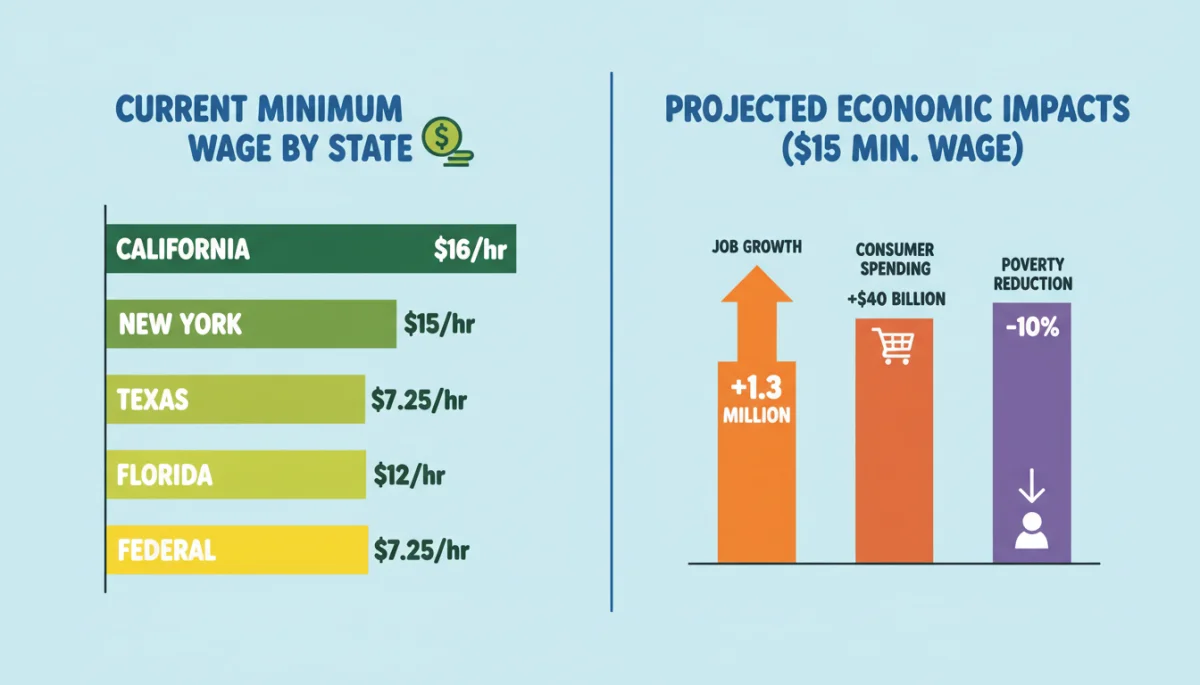
Conversely, other studies have highlighted concerns, such as some evidence of reduced hiring, particularly in the restaurant industry, and slight price increases for consumers. However, these negative impacts are often debated in terms of their magnitude and whether they can be directly attributed solely to the minimum wage increase, rather than other economic factors at play. The complexity of local economies means that a direct cause-and-effect relationship can be challenging to isolate.
Lessons Learned from Early Adopters
- Phased Implementation is Key: Gradual increases allow businesses more time to adapt their operating models and pricing strategies.
- Sector-Specific Impacts: The effects can vary significantly across different industries, with some sectors experiencing more adjustments than others.
- Local Economic Context Matters: The impact of a higher minimum wage can depend heavily on the local cost of living, existing wage levels, and overall economic conditions.
These case studies underscore the importance of careful planning and monitoring when implementing significant wage policies. They suggest that while there can be adjustments for businesses, the overall economic landscape can often absorb these changes, particularly with phased approaches. The experiences of these early adopters provide valuable data for the national 2026 National Minimum Wage Debate, informing policymakers about what to expect and how to mitigate potential negative consequences.
In conclusion, the real-world experiences of states and cities with higher minimum wages offer a complex picture. While some challenges exist, many regions have successfully integrated higher wages, demonstrating that with careful implementation, the benefits to workers and local economies can be substantial, providing crucial context for the ongoing national discussion.
The Political Landscape and Future Outlook
The 2026 National Minimum Wage Debate is not merely an economic discussion; it is deeply entrenched in the political landscape of the United States. The proposal to increase the federal minimum wage to $15 per hour has become a significant talking point for both major political parties, albeit with vastly different perspectives. Democratic lawmakers generally champion the increase, viewing it as a critical step towards economic justice and poverty reduction, aligning with their broader social welfare agendas.
On the other hand, many Republican lawmakers express strong opposition, citing concerns about job losses, inflation, and government overreach into private business operations. They often advocate for market-driven wage adjustments and emphasize the potential negative impacts on small businesses. This partisan divide makes the passage of federal legislation a challenging endeavor, requiring considerable negotiation and compromise to overcome.
Key Political Players and Influences
- Labor Unions and Advocacy Groups: Powerful organizations like the AFL-CIO and Fight for $15 actively lobby for the wage increase, mobilizing public support.
- Business Lobbies: Groups such as the U.S. Chamber of Commerce and various industry associations oppose the increase, arguing it would harm businesses and the economy.
- Public Opinion: While often divided, polls generally show significant public support for raising the minimum wage, though the specific amount can vary.
The legislative path for a $15 minimum wage is likely to involve intense debates in Congress, potentially leading to various amendments and compromises. It might also face challenges in the Senate, where bipartisan support is often necessary to overcome procedural hurdles. The outcome could depend heavily on the political composition of Congress and the White House in the coming years, as well as the evolving economic conditions and public sentiment.
Looking ahead, the debate is expected to continue to be a prominent issue in national elections and policy discussions. Even if a federal $15 minimum wage is not achieved by year-end 2026, the ongoing pressure from advocates and the continued action at state and local levels suggest that the momentum for higher wages will persist. The political landscape is dynamic, and the ultimate resolution of this debate will shape the economic future for millions of American workers.
In conclusion, the political dimensions of the minimum wage debate are complex and highly partisan, with strong arguments from both sides. The future outlook suggests continued advocacy and legislative efforts, with the ultimate outcome dependent on political will, economic realities, and public engagement.
| Key Aspect | Brief Description |
|---|---|
| Current Federal Wage | Stands at $7.25/hour, unchanged for over a decade. |
| $15 Proposal | Aim to increase federal minimum wage to $15/hour by end of 2026. |
| Economic Arguments | Boosts spending, reduces poverty, lowers turnover. |
| Key Criticisms | Potential job losses, inflation, and business strain. |
Frequently Asked Questions About the Minimum Wage Debate
The current federal minimum wage in the United States is $7.25 per hour. This rate has not been adjusted since 2009, leading to significant debate about its adequacy in supporting workers amidst rising living costs across the nation.
Advocates argue that a $15 minimum wage is necessary to provide a living wage, reduce poverty, and boost economic activity through increased consumer spending. They believe it would ensure full-time workers can afford basic necessities without relying on public assistance programs.
Critics primarily fear potential job losses as businesses reduce staff to offset higher labor costs, particularly in small businesses. Concerns also include inflationary pressures, where increased wages could lead to higher prices for goods and services, negating the benefits.
Yes, several states and cities, including California, Massachusetts, Seattle, and New York City, have already implemented or are in the process of phasing in minimum wages at or above $15 per hour. These examples provide real-world data for analyzing the policy’s effects.
The political outlook is divided, with strong support from Democrats and labor groups, and strong opposition from many Republicans and business lobbies. Passing federal legislation will likely require significant bipartisan compromise and will depend on the political climate and economic conditions.
Conclusion
The 2026 National Minimum Wage Debate: A Look at Proposals to Increase it to $15 Per Hour by Year-End remains one of the most significant economic and social policy discussions in the United States. It encompasses complex arguments ranging from economic stimulus and poverty reduction to potential job losses and inflationary pressures. As states and cities continue to navigate their own wage policies, their experiences offer crucial insights into the broader national conversation. The path forward will undoubtedly be shaped by ongoing legislative efforts, evolving economic data, and the persistent advocacy of various stakeholders, ultimately impacting millions of American workers and the national economy.
